
William Bill Ainslie (1934-1989) was a prominent South African artist known for his vibrant paintings and impactful contributions to the art community. Born in Bedford, Eastern Cape, he studied at the University of Natal, Pietermaritzburg. Ainslie's artistic journey transitioned from monumental African figures to abstract expressionism, characterized by striking colors and dynamic forms.
Throughout his career, Ainslie was not only an artist but also a dedicated teacher and activist. He founded the Johannesburg Art Foundation in 1982, which aimed to support emerging artists. He played a crucial role in training notable figures such as Helen Sebidi and William Kentridge and was instrumental in establishing several key art initiatives, including FUBA and the Alexandra Arts Centre.
Ainslie's work has been showcased in various group exhibitions at prestigious venues like the Goodman Gallery and the Johannesburg Art Gallery. Although he did not have solo exhibitions, his influence remains significant in South African art history. The Bill Ainslie Gallery was inaugurated at the Johannesburg Art Foundation in 1999, marking a tribute to his legacy.
William Bill Ainslie's presence in the art market is notable, with his contributions recognized through multiple Art SA Today awards. His work continues to hold significance in South African art collections, reflecting his enduring impact on the artistic landscape.

This untitled abstract artwork by South African artist Bill Ainslie showcases a vibrant interplay of colors and shapes, reflecting his unique artistic vision. The mixed media on canvas spans a large dimension of 76.5 by 256 cm, suggesting a grand and immersive visual experience.

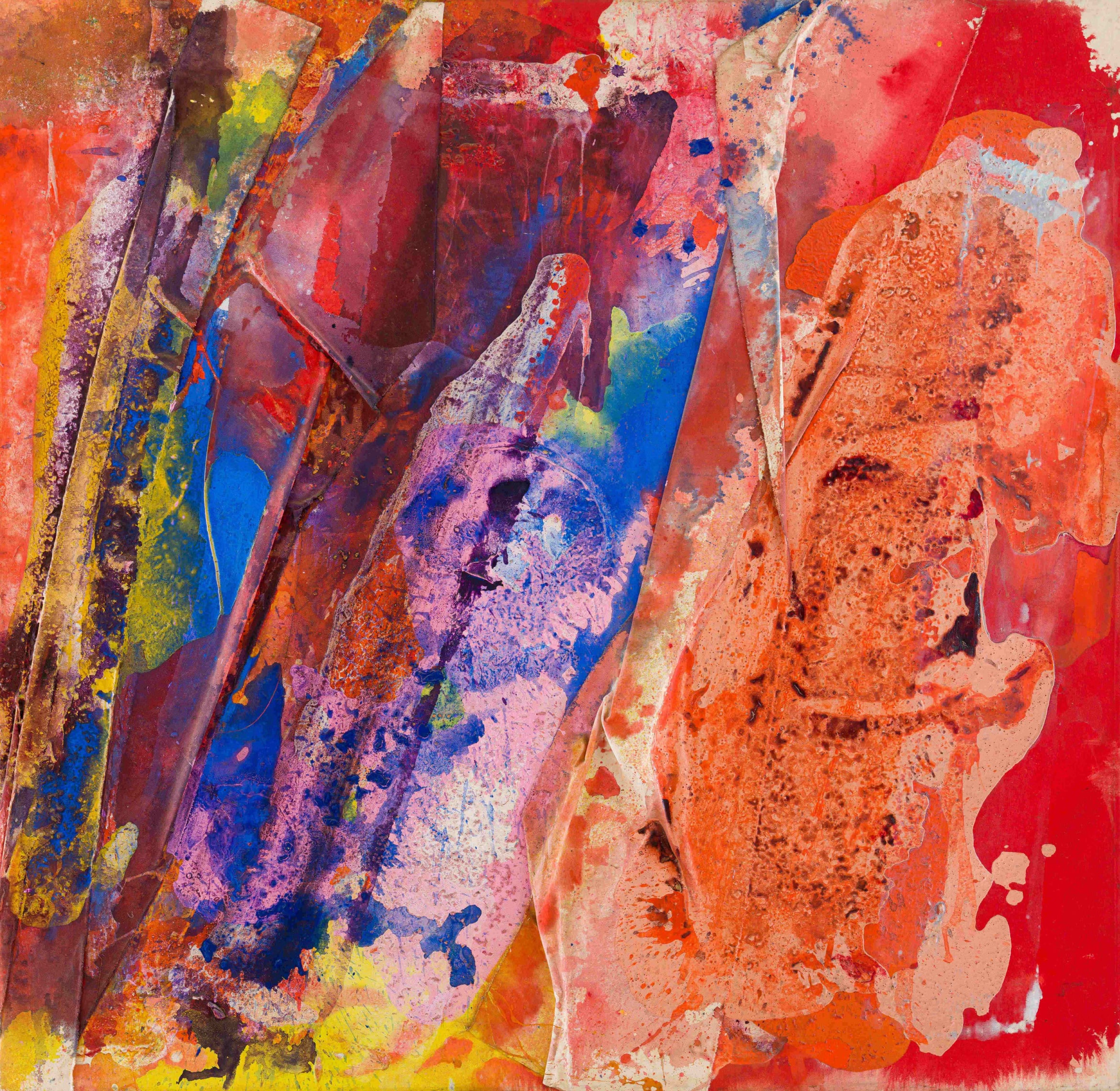
Bill Ainslie's 'Pachipamwe No. 5' is a mixed media artwork characterized by vibrant colors and abstract forms. The piece reflects themes of reunion and connection, inspired by the Shona greeting 'pachipamwe.' This work is part of a series that showcases Ainslie's artistic exploration and was created in July 1989.

This oil on canvas artwork features a striking geometric abstract composition dominated by various shades of purple. The painting likely includes bold shapes and dynamic contrasts, reflecting the artist's South African heritage and artistic influences. It is part of a larger narrative of contemporary African art.

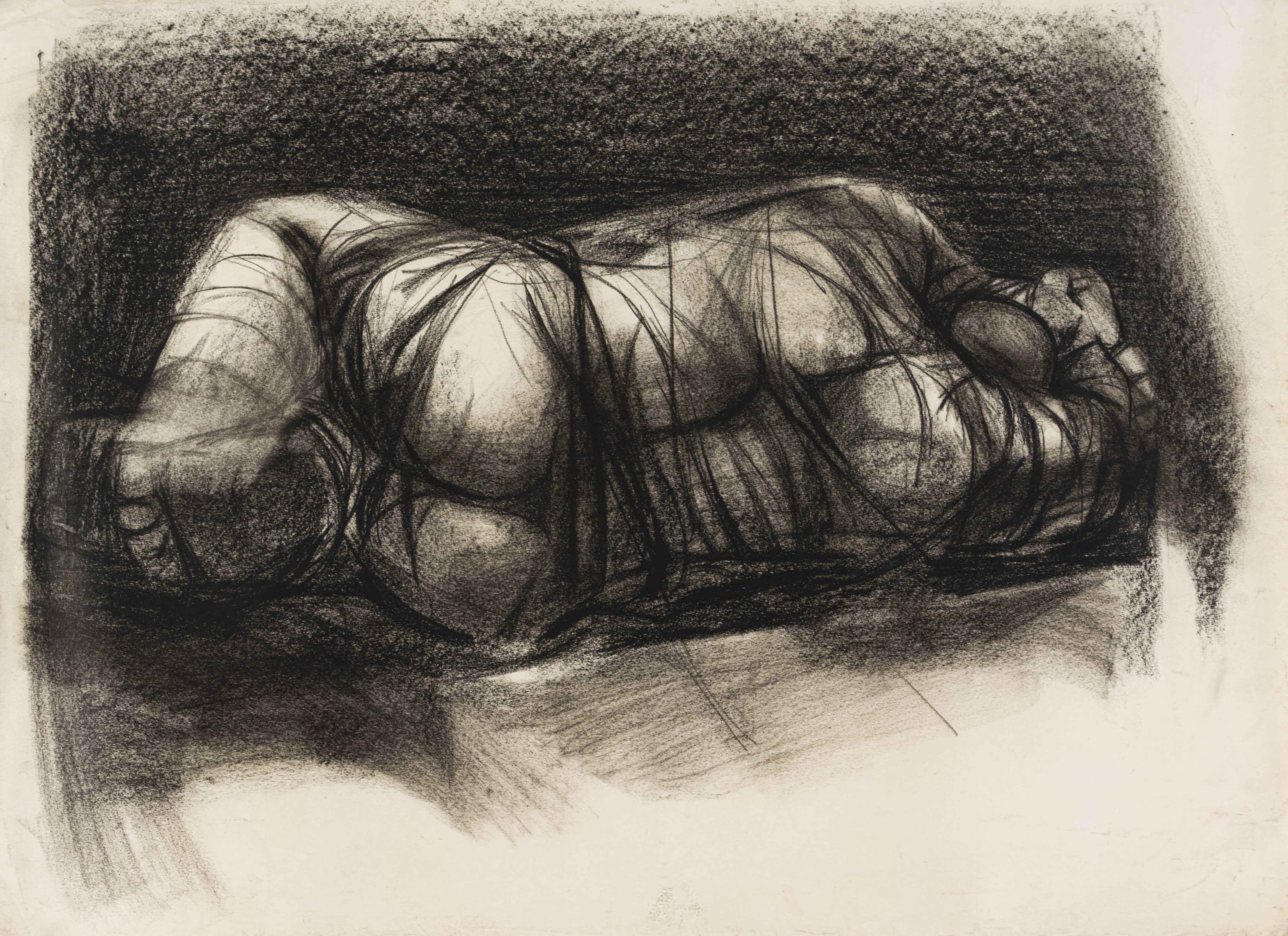
Bill Ainslie's 'Sleeping Figure' captures a tranquil scene of a figure at rest, showcasing soft, flowing lines and a soothing color palette. The artwork, created with oil on canvas, reflects a sense of peace and introspection, inviting viewers to contemplate the beauty of stillness.

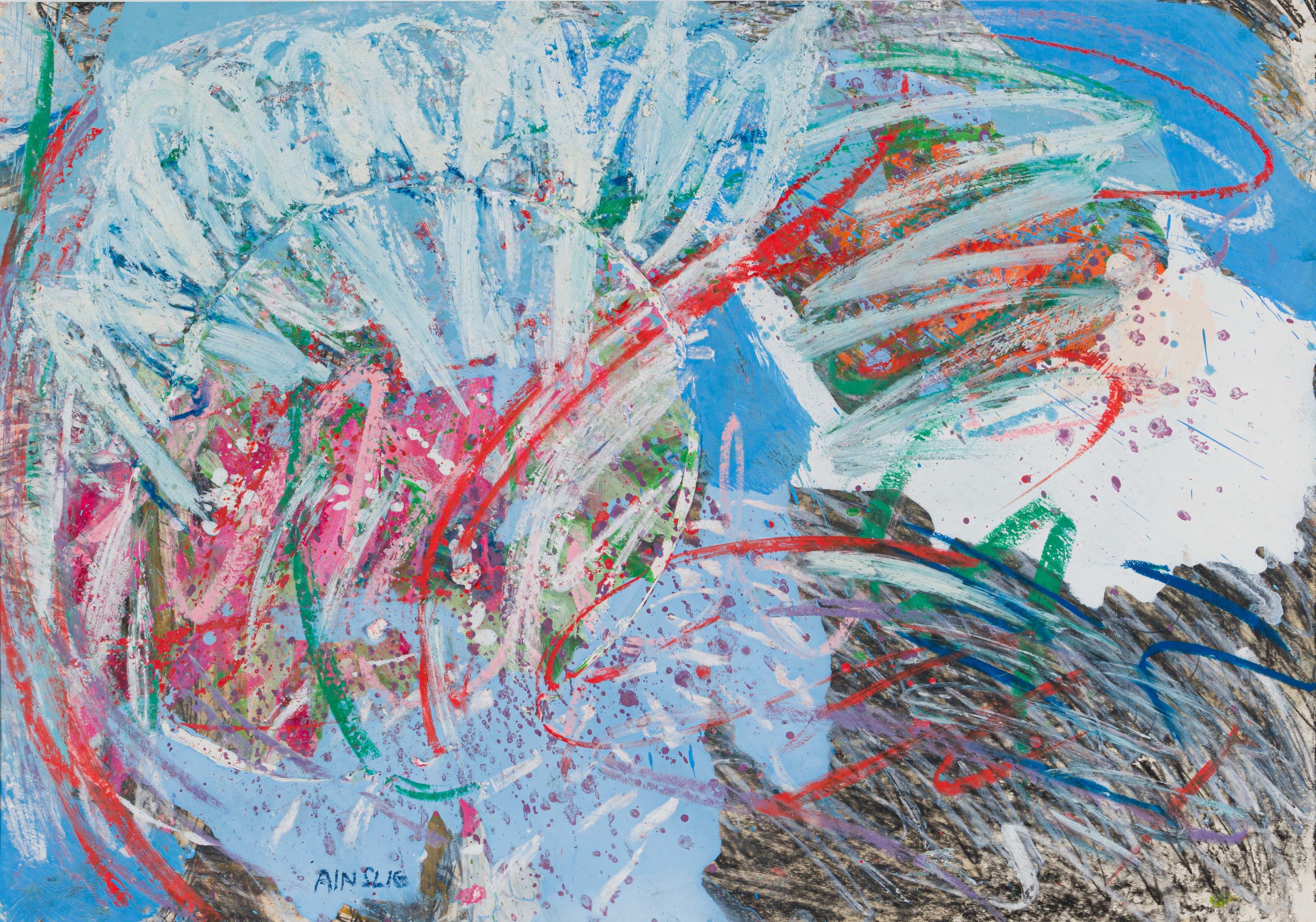
Untitled abstract artwork by Bill Ainslie, created using mixed media and collage techniques. The piece showcases a dynamic interplay of orange and grey hues, reflecting the artist's unique style. Signed by the artist, this work measures 20 x 14.75 inches and is a testament to Ainslie's contributions to the South African art scene.

Pachipamwe No. 5 by Bill Ainslie showcases a captivating blend of colors and textures, likely created with acrylic gel on canvas. The piece, dated July 1989, reflects Ainslie's unique artistic style, emphasizing depth and movement within its dimensions of 164 by 168 by 4.5 cm.
This artwork, titled 'Marsyas' by Bill Ainslie, created circa 1983, is a large acrylic on canvas piece measuring 71" x 96". The painting likely showcases abstract forms and dynamic colors, reflecting Ainslie's unique artistic style. It is signed in the lower right corner, adding a personal touch to the vibrant composition.

This abstract composition by South African artist Bill Ainslie showcases a vibrant interplay of colors and dynamic geometric shapes. Created in August 1989, the artwork is executed in acrylic on paper, emphasizing Ainslie's unique style and artistic vision. The piece is inscribed with the artist's name and details on the reverse.

Bill Ainslie's Abstract Composition showcases a vibrant interplay of colors and dynamic shapes, creating an engaging visual experience. The artwork, signed and rendered in oil on paper, measures 62.5 by 51 cm without the frame, and 95 by 80 by 3 cm with the frame, emphasizing its bold and expressive style.
Access historical sale prices, expert estimates and our private collections.
Join the CircleAlready a member? Sign In