Skip to content
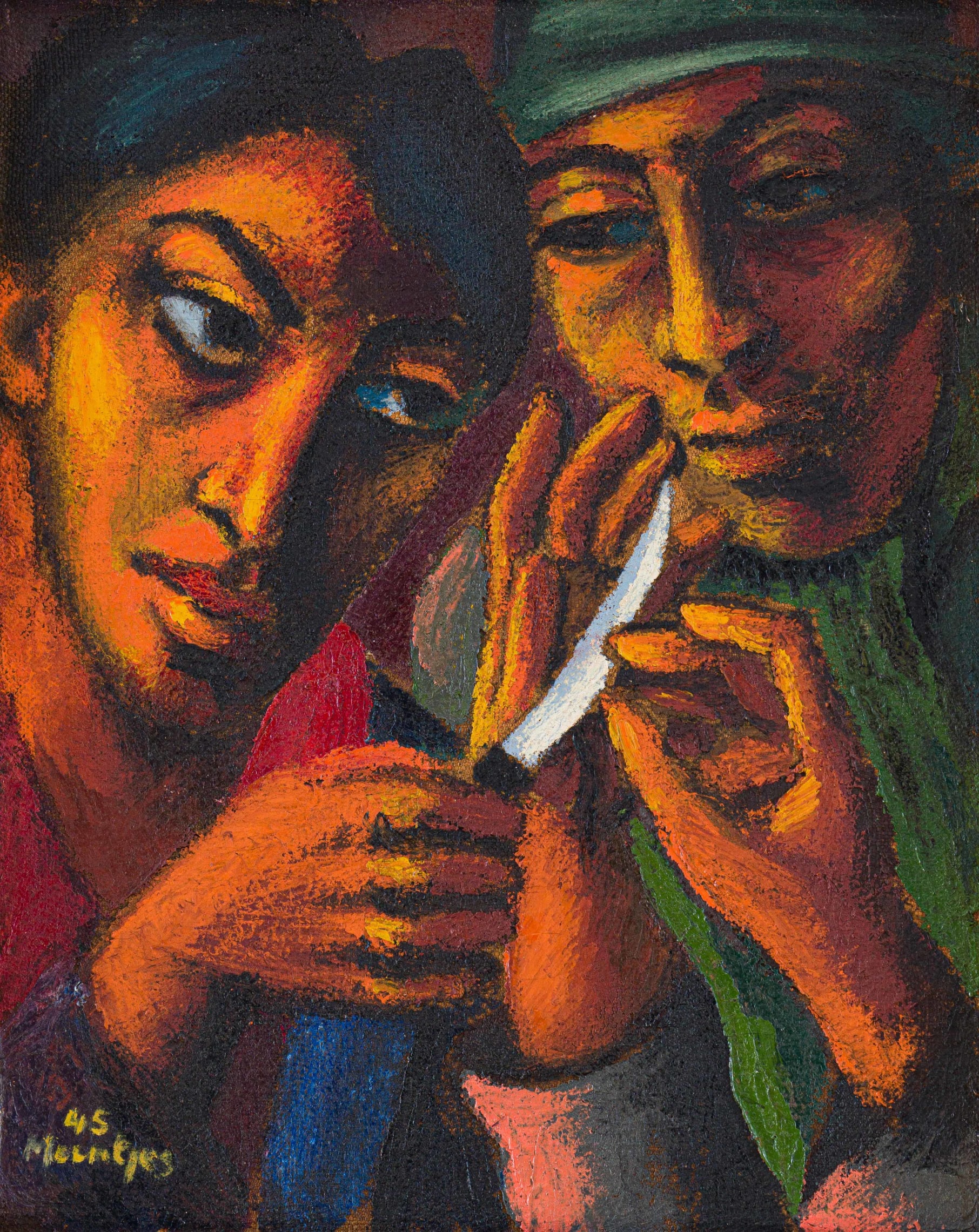
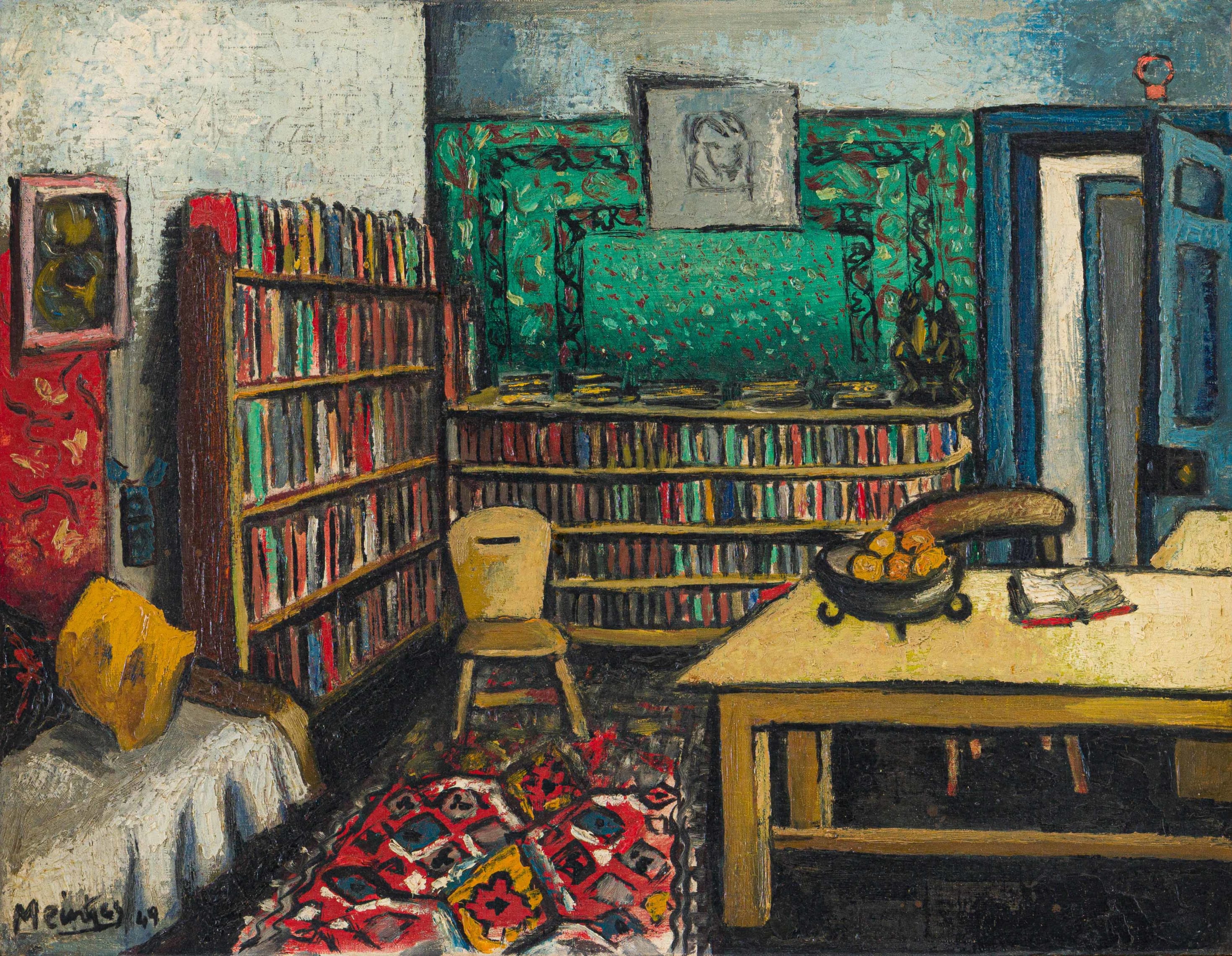
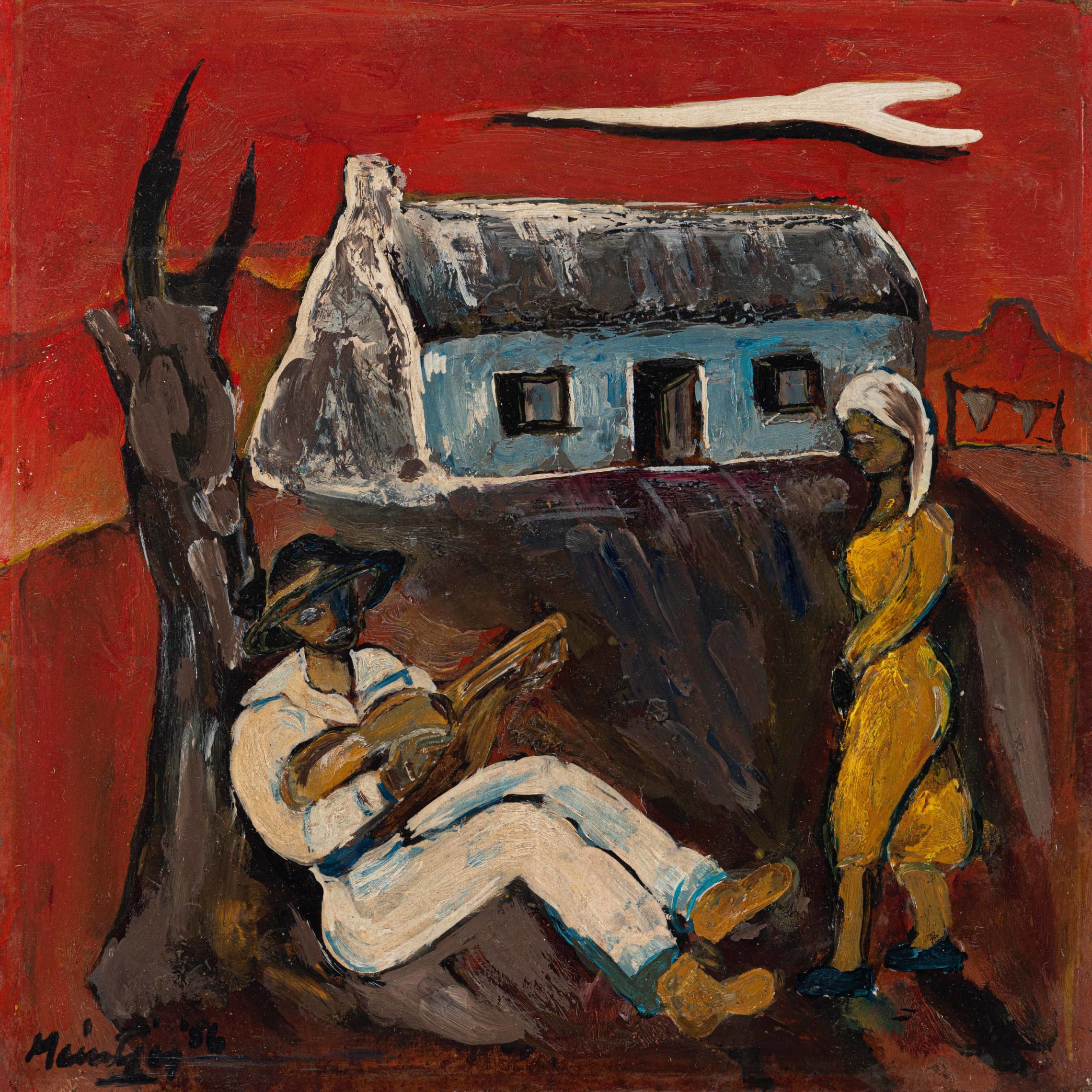
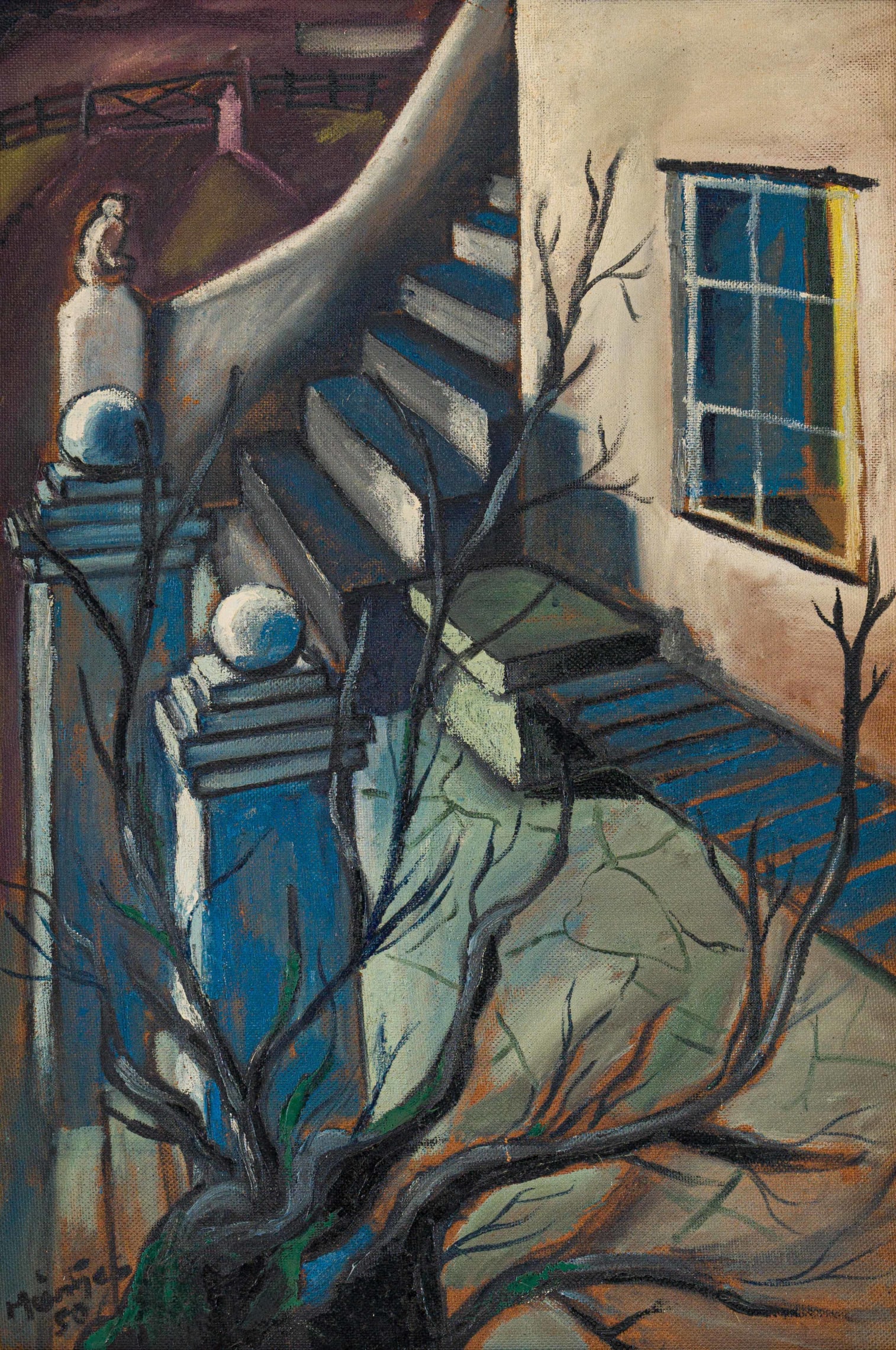
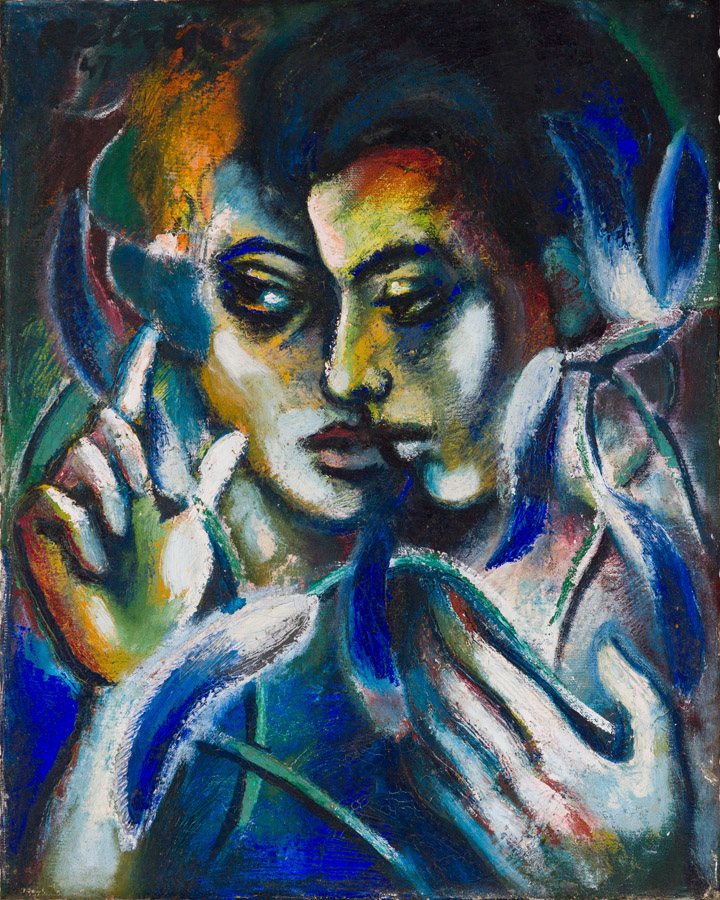
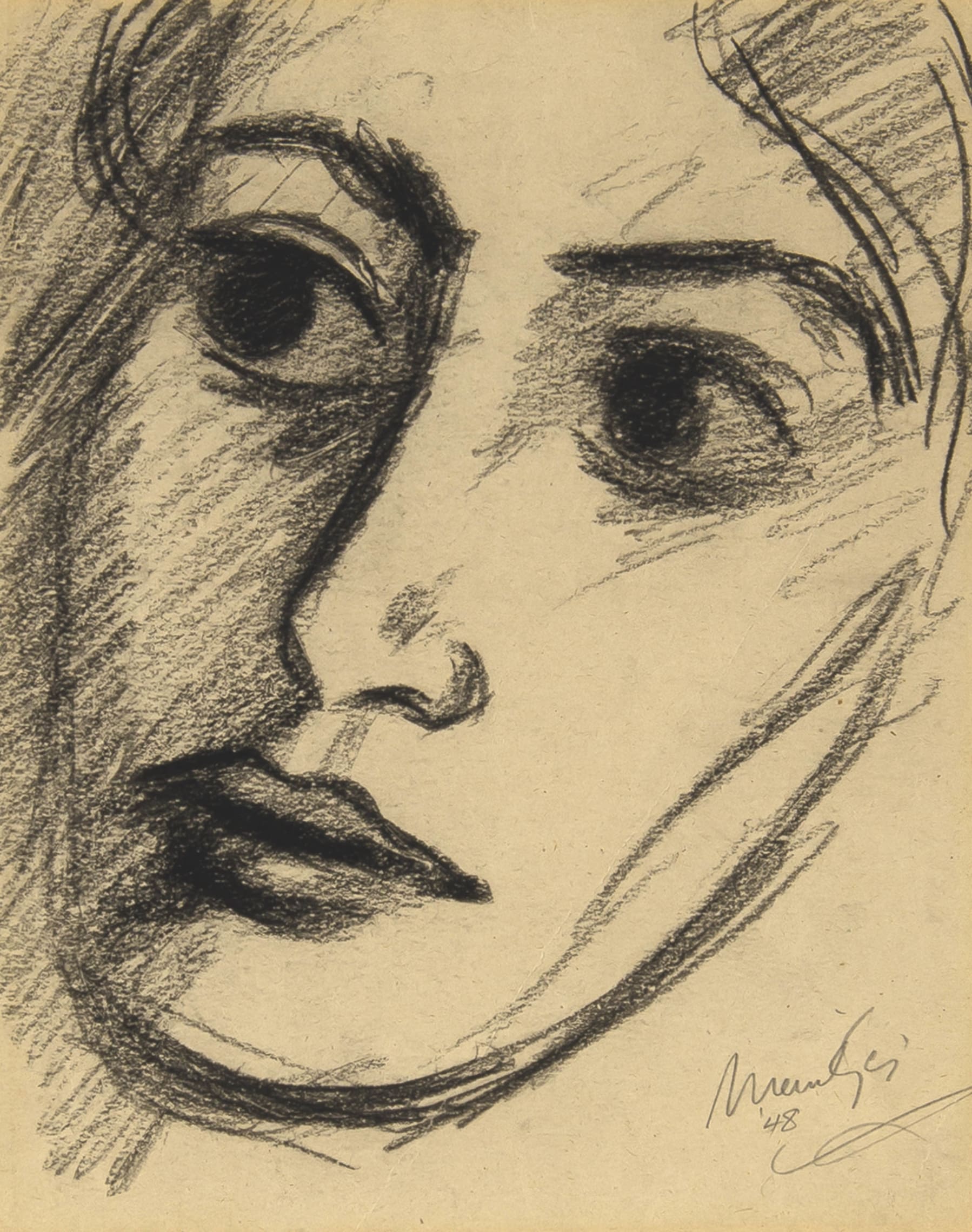
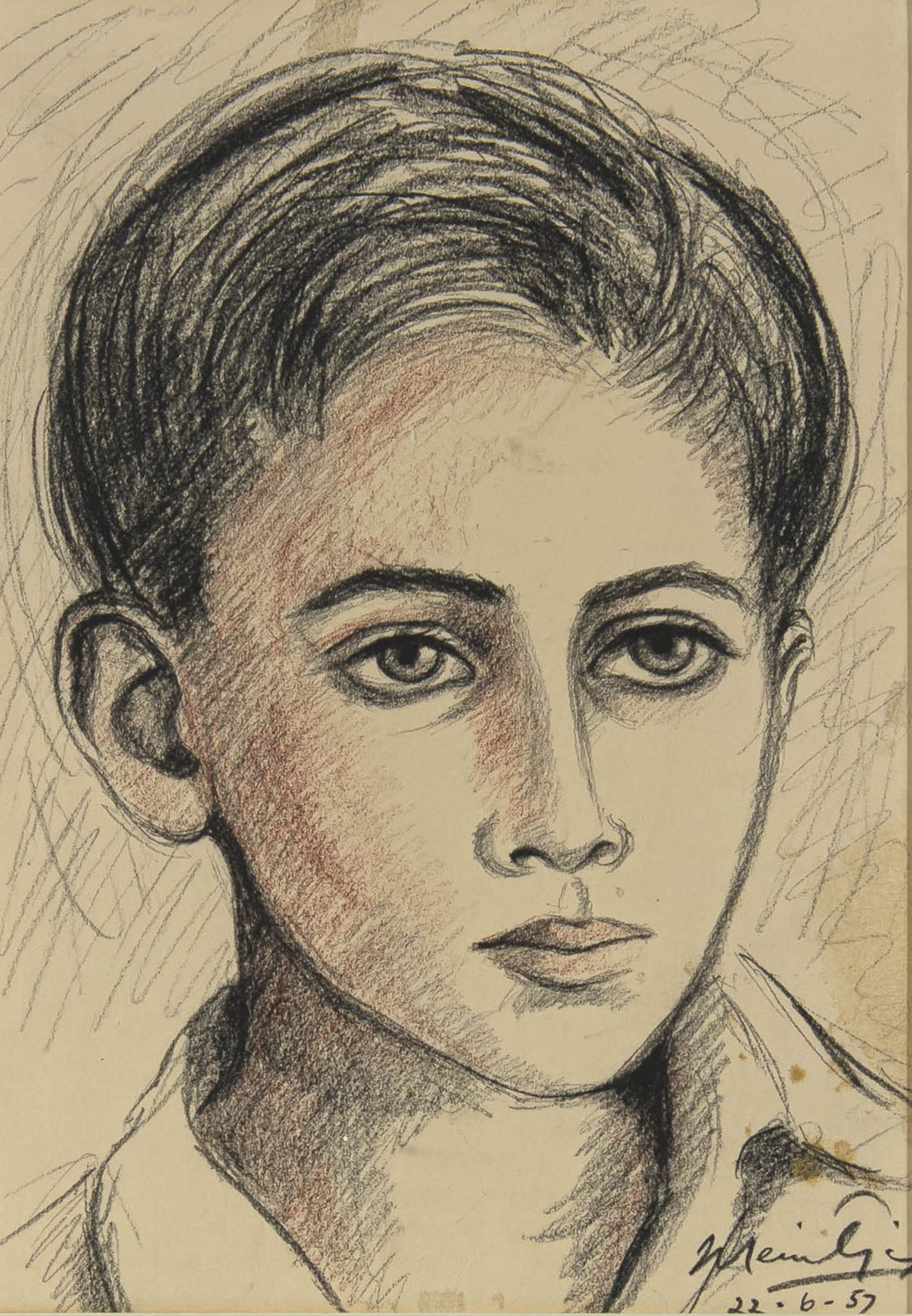
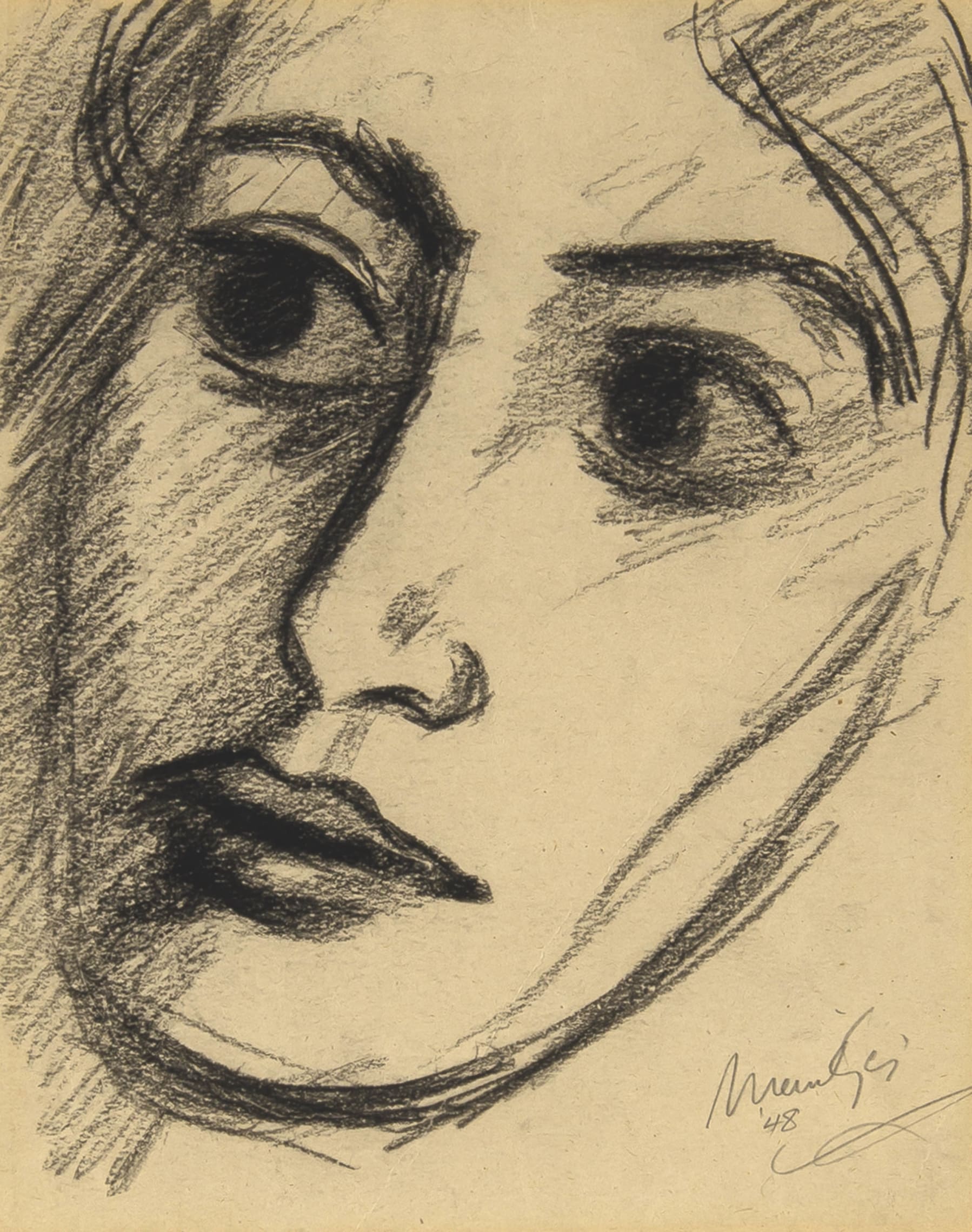
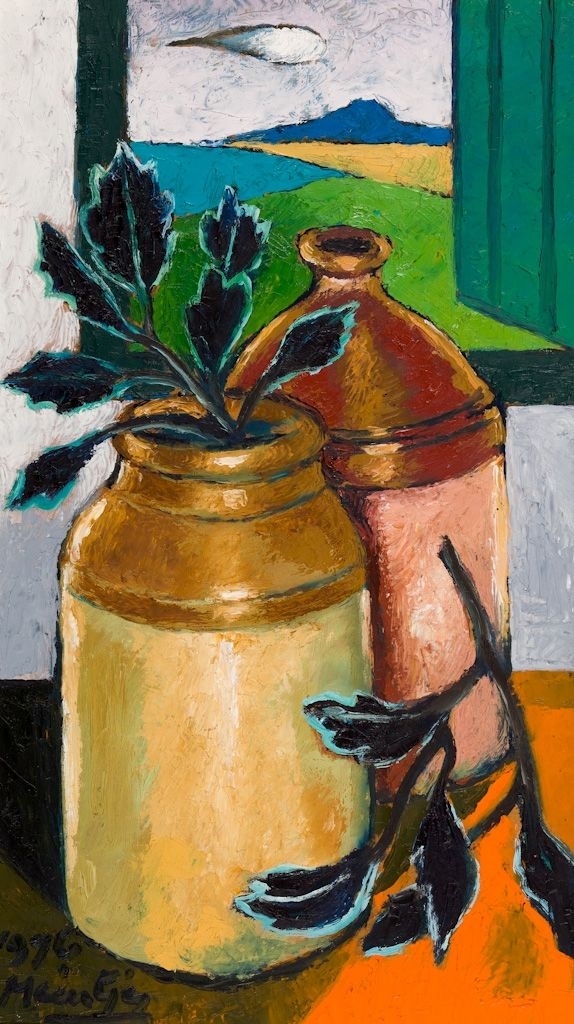
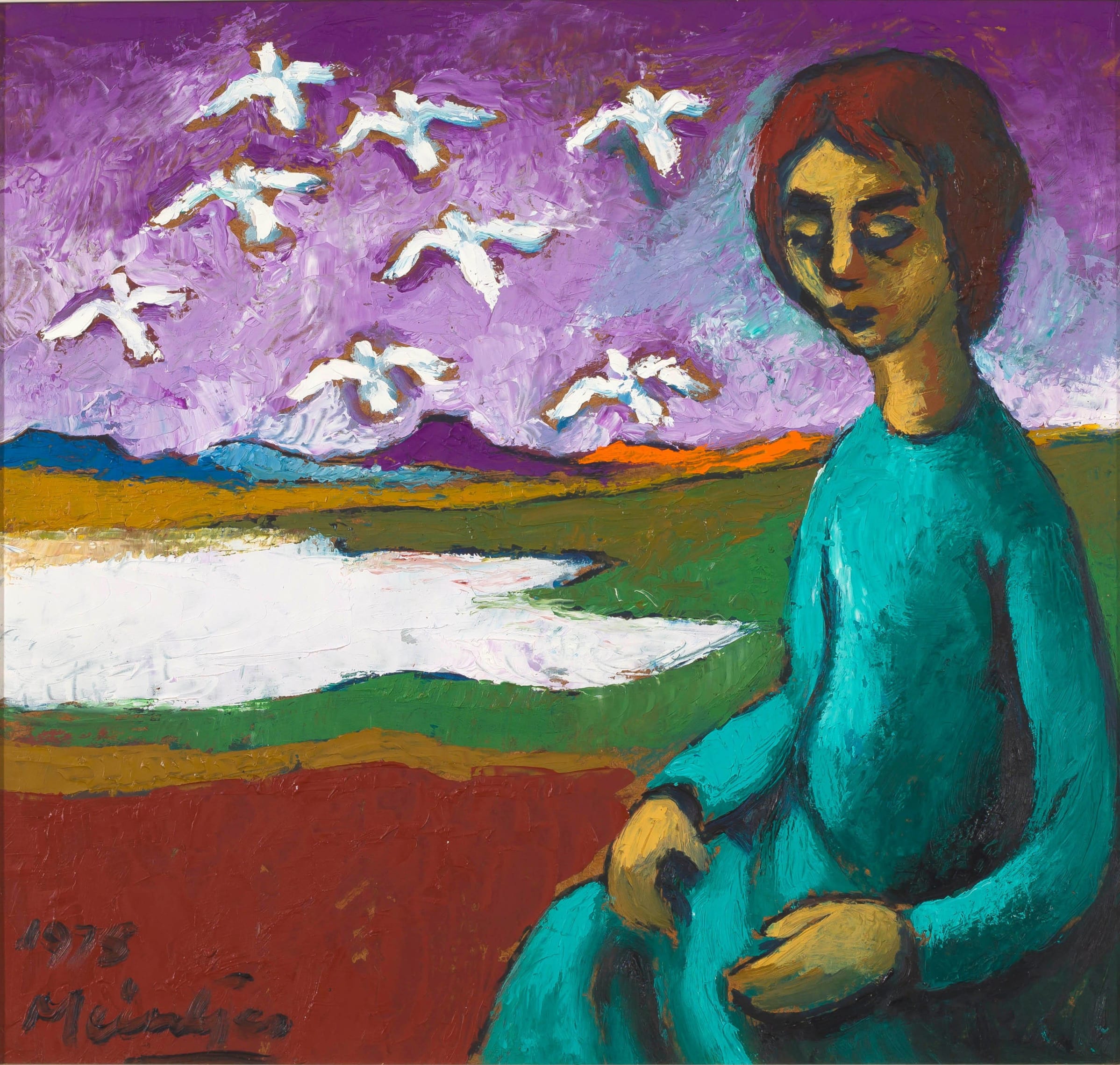
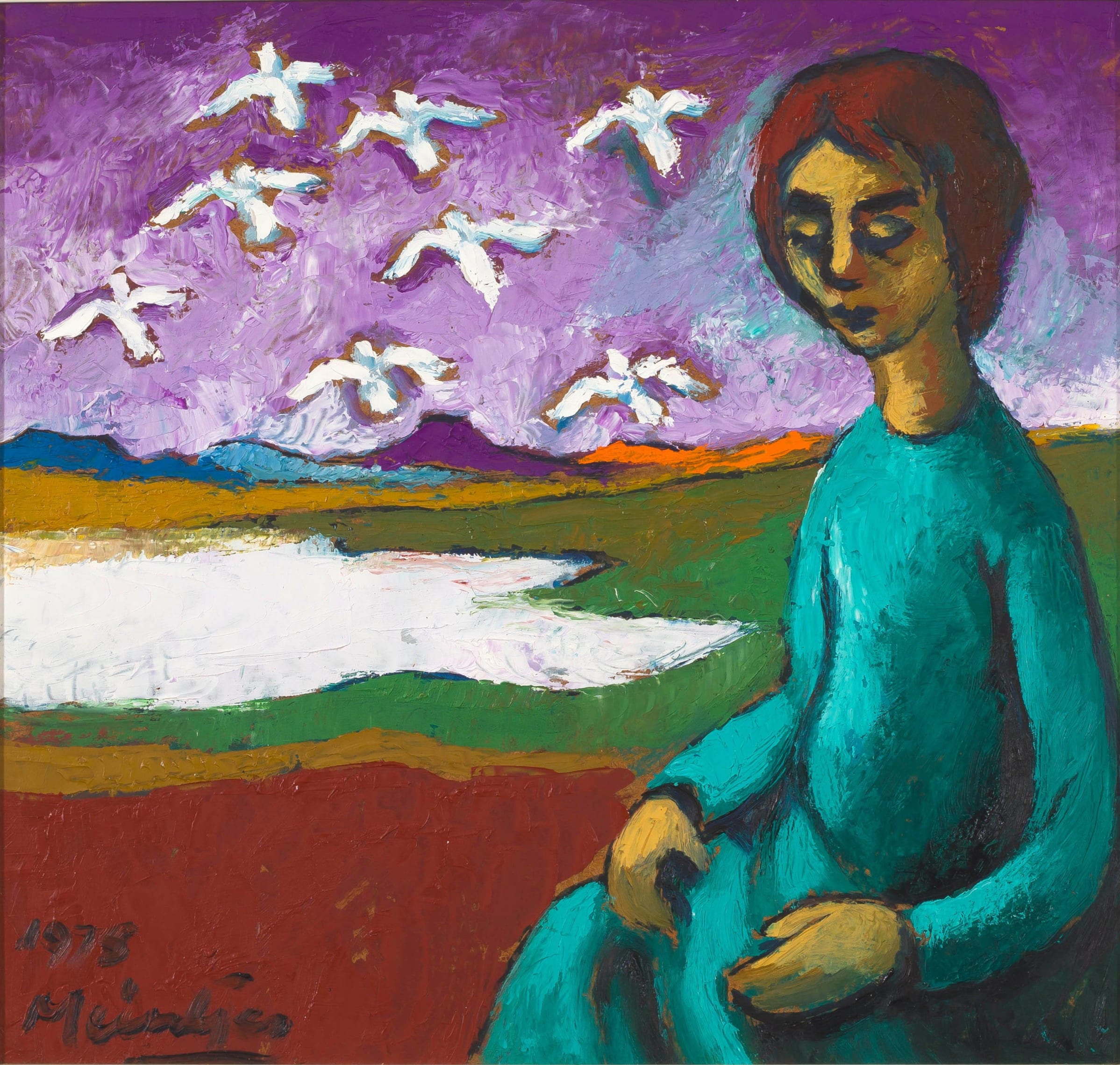
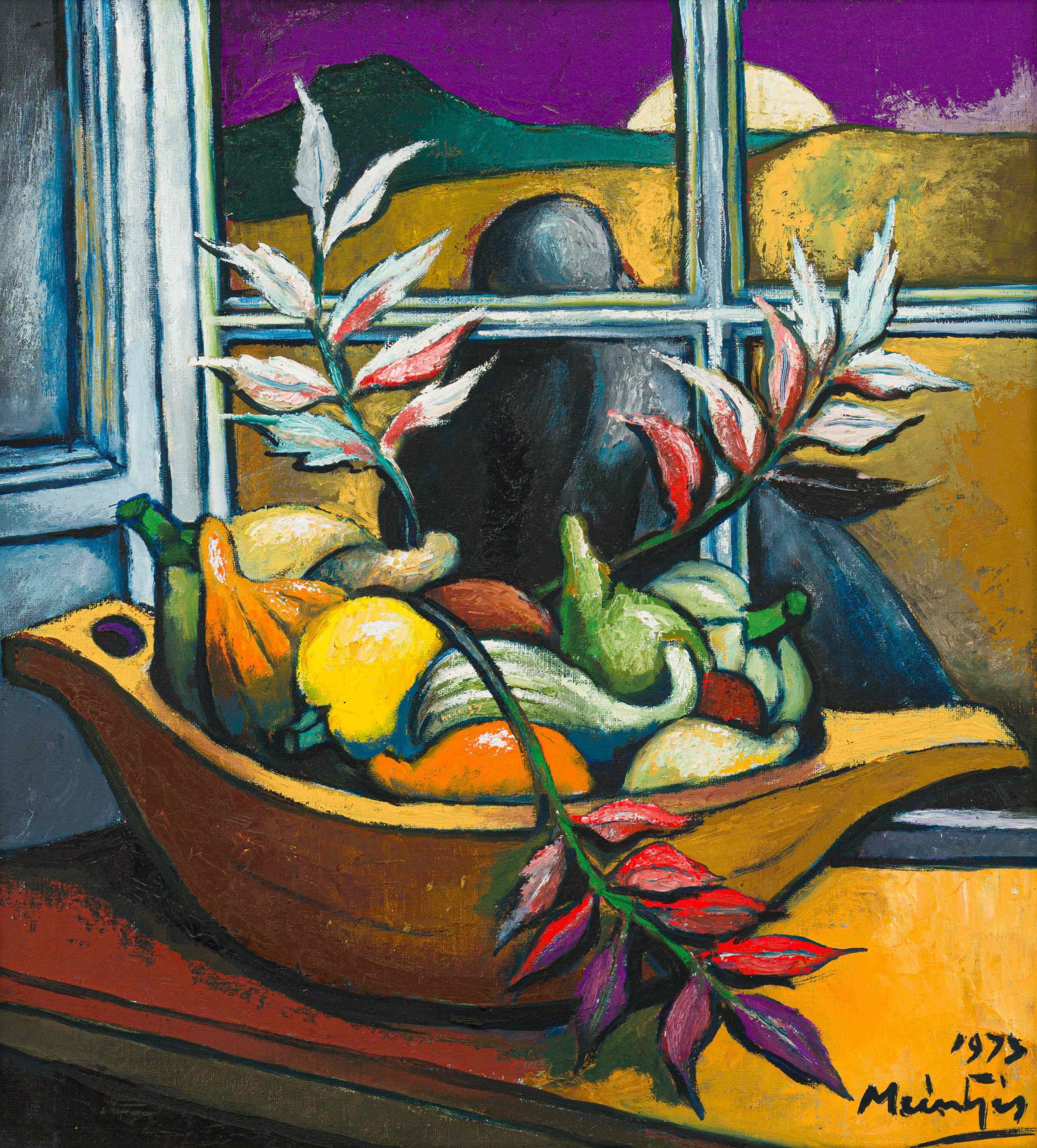
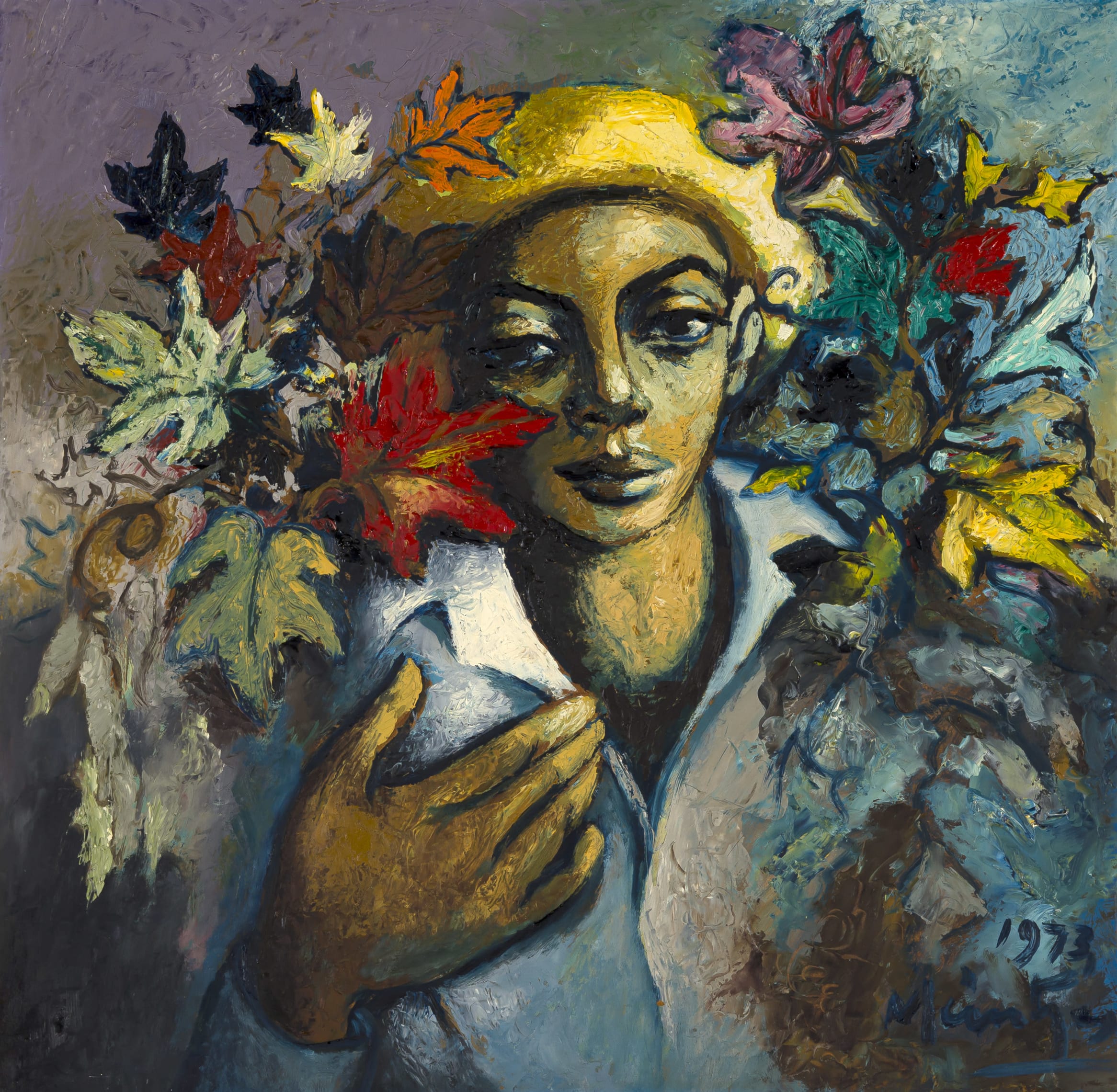
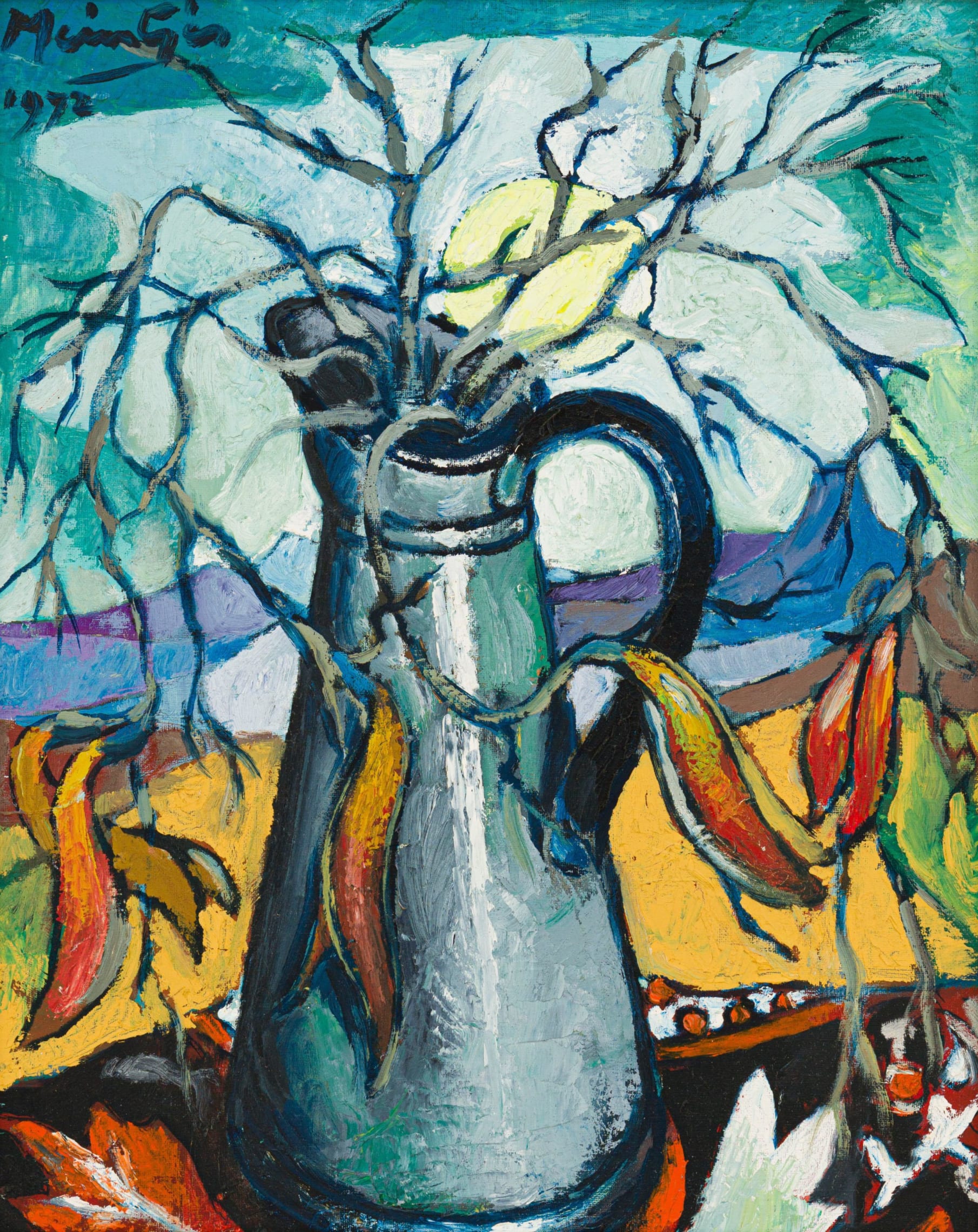
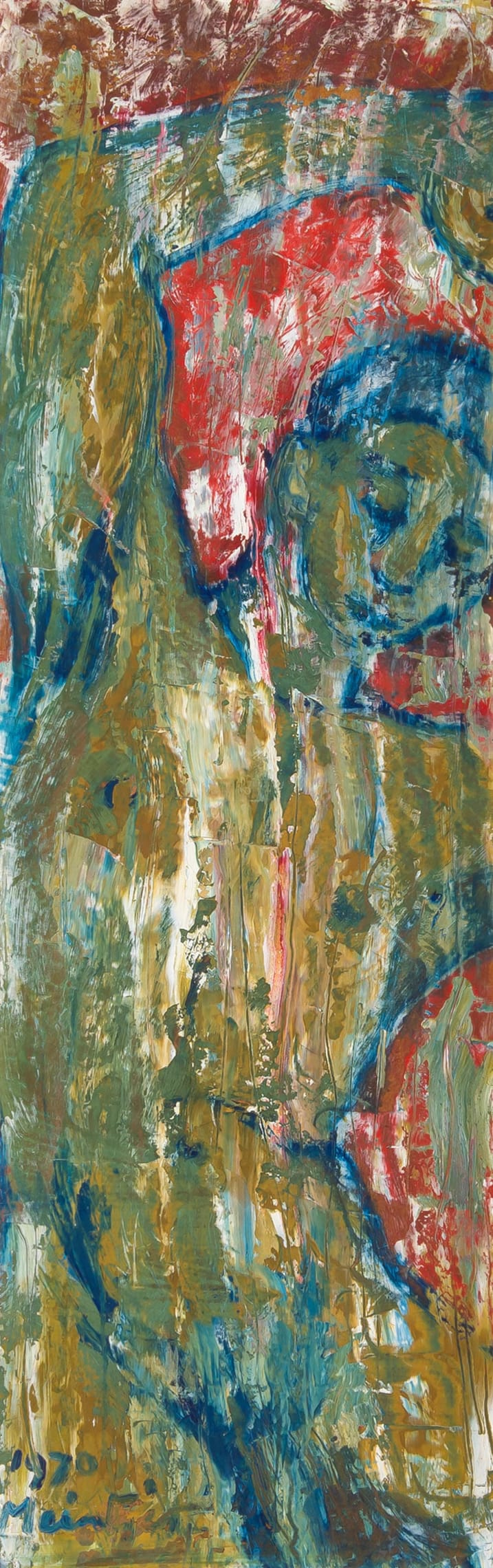
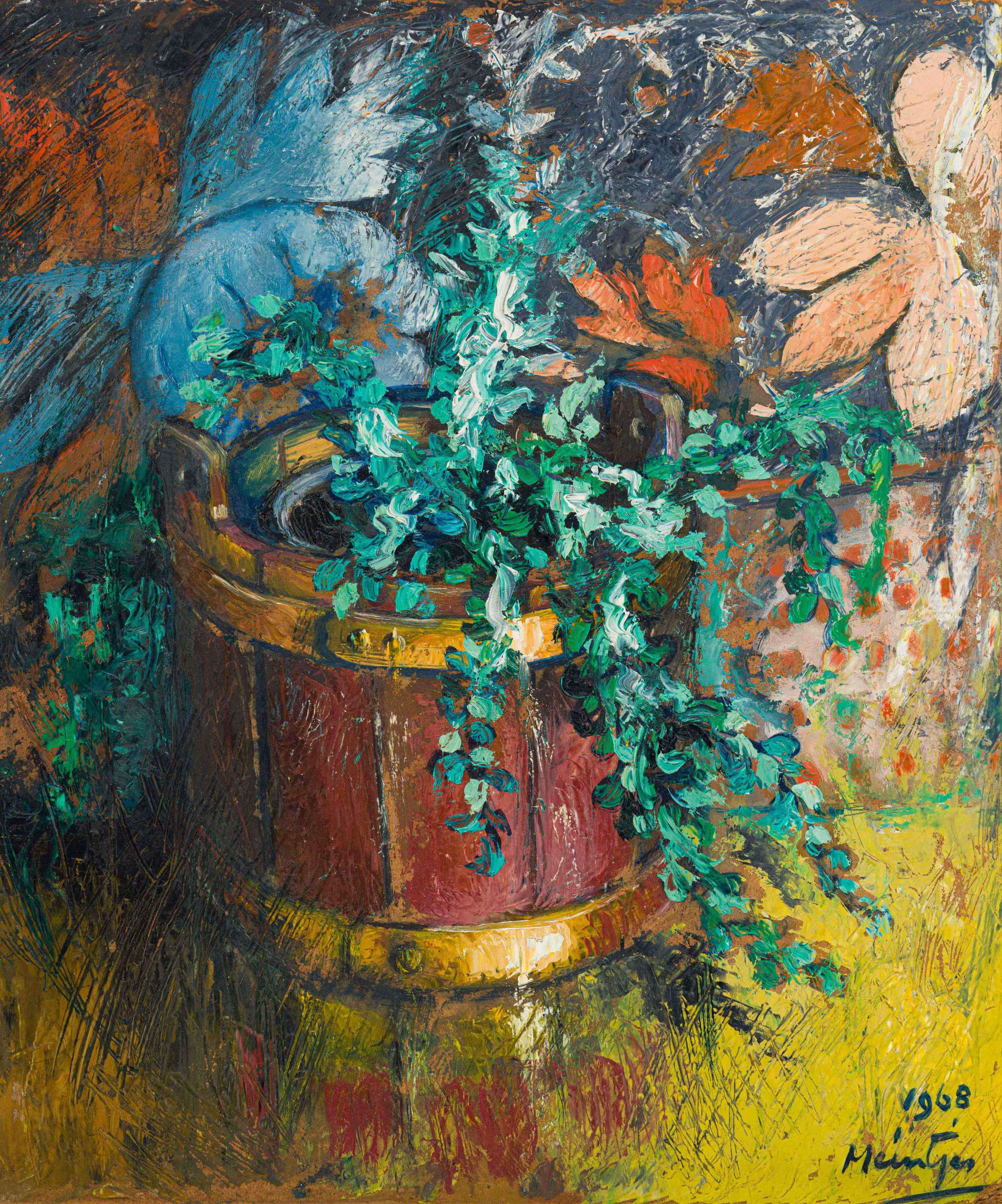
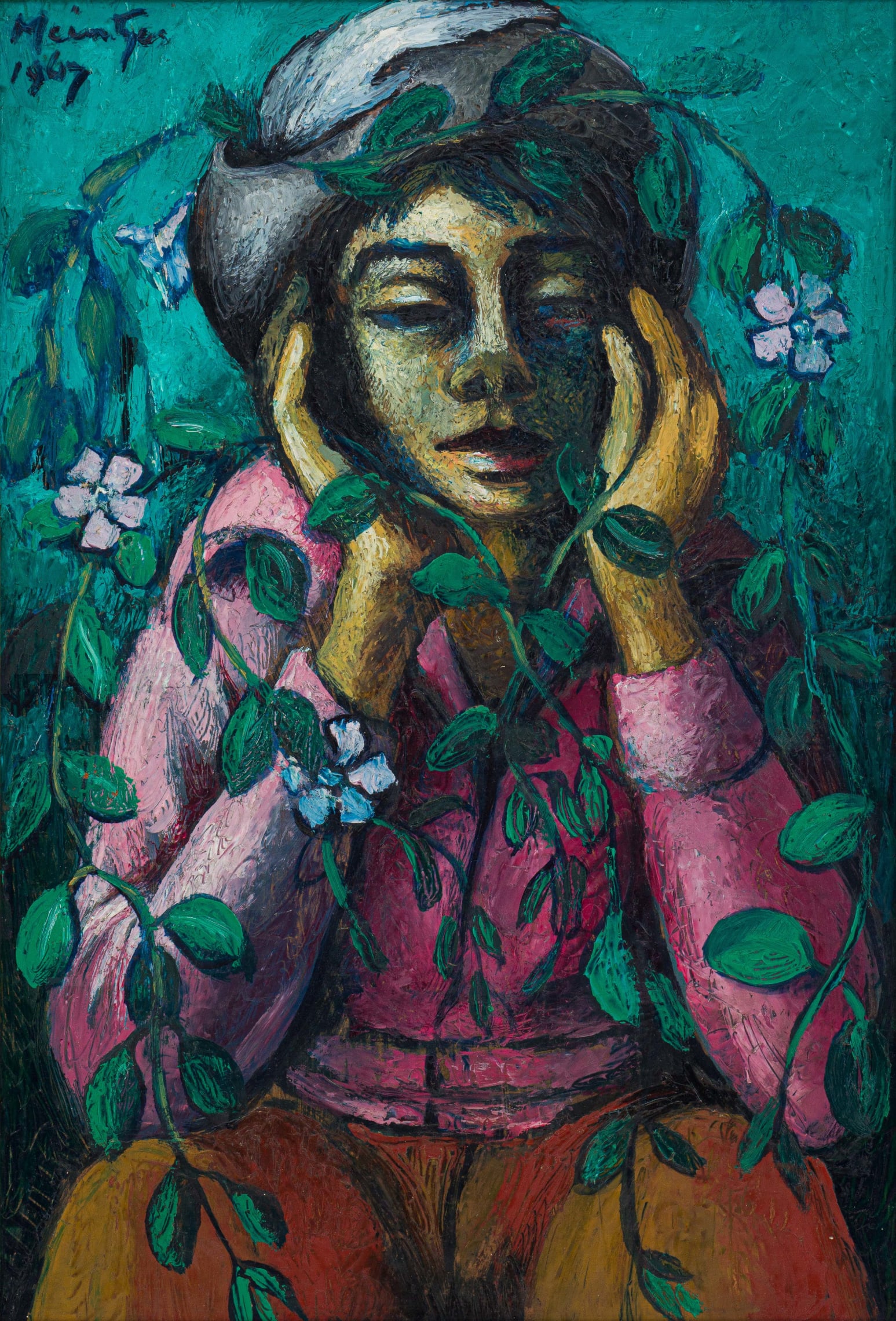
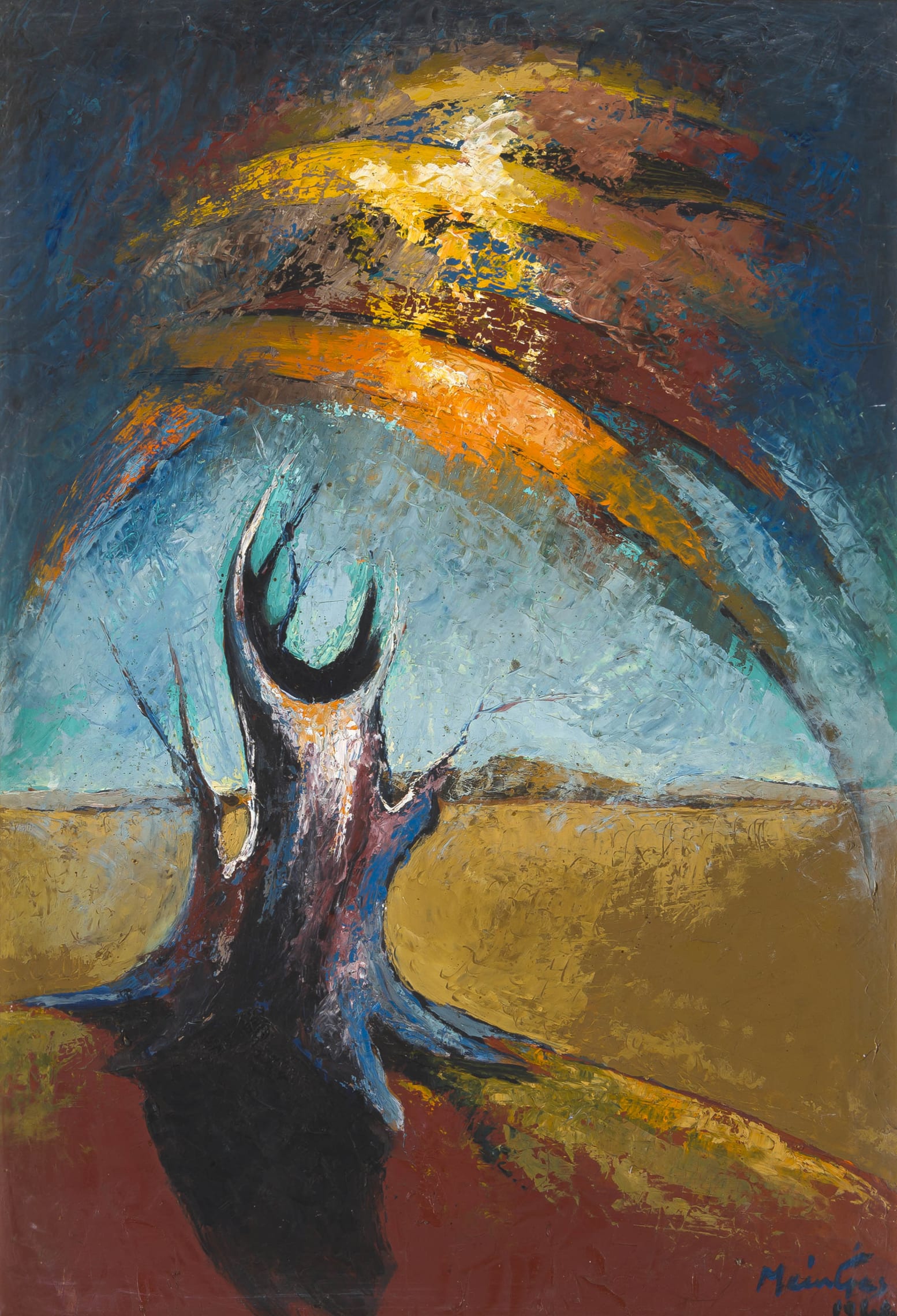
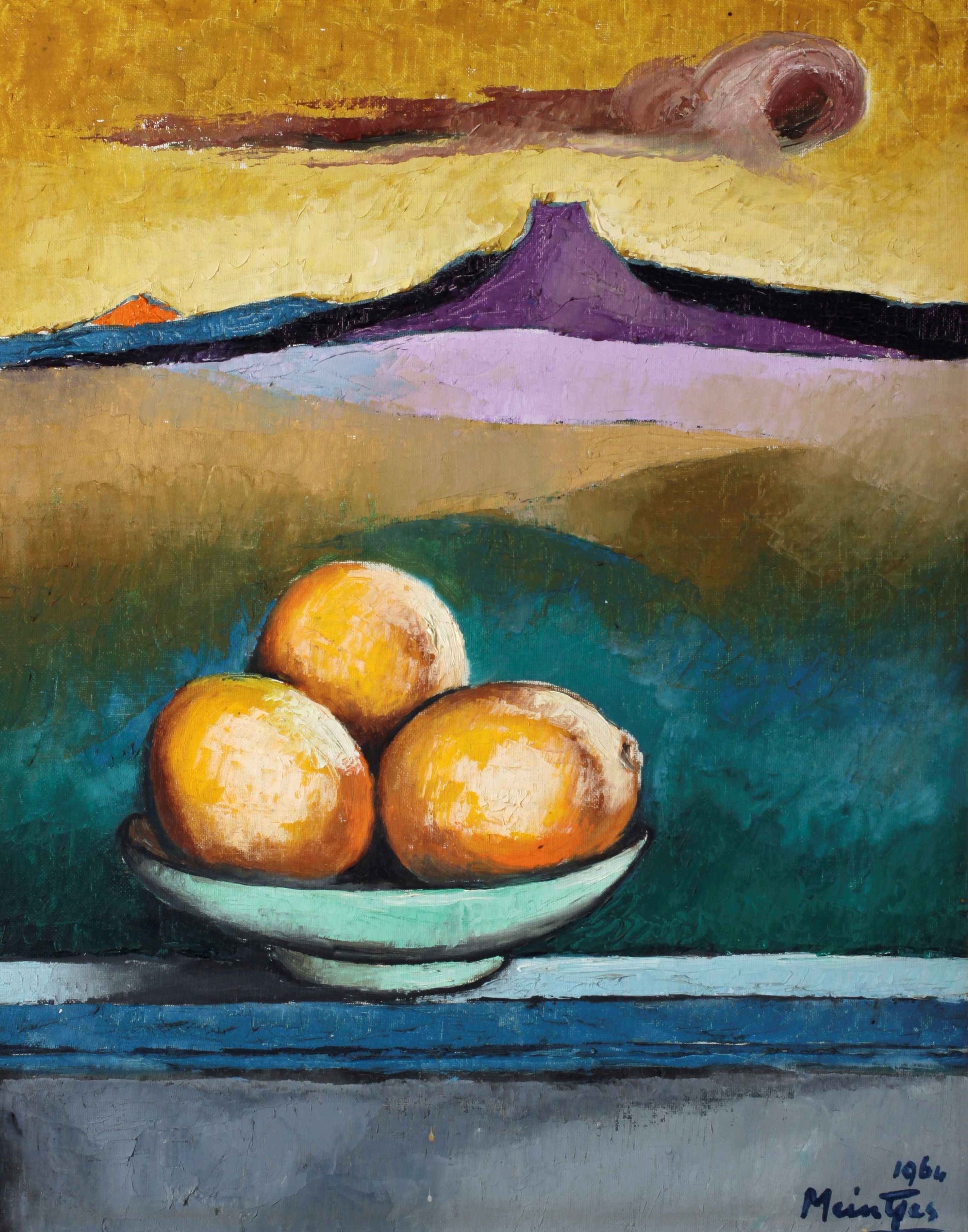
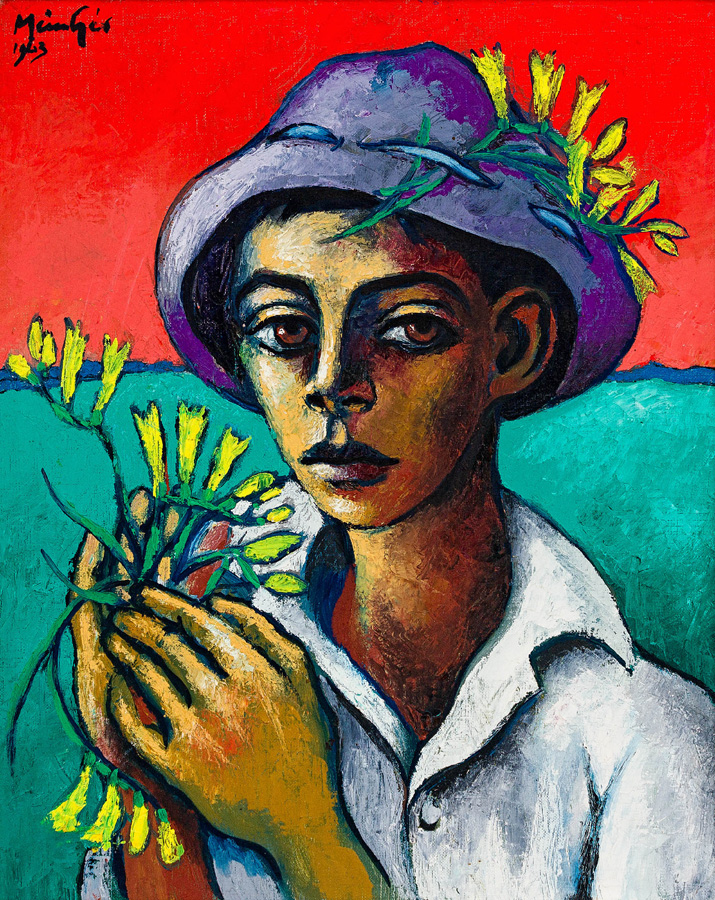
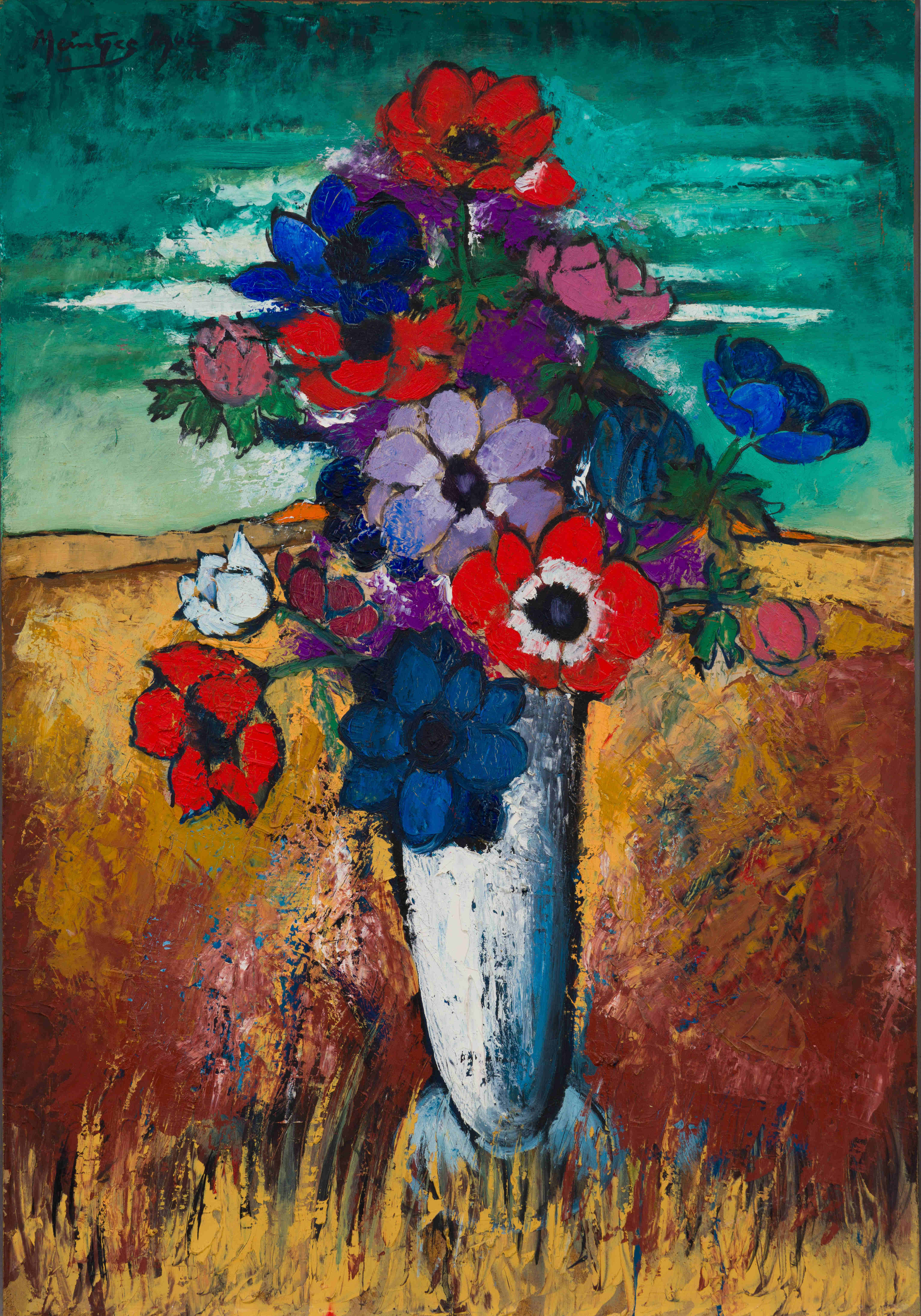
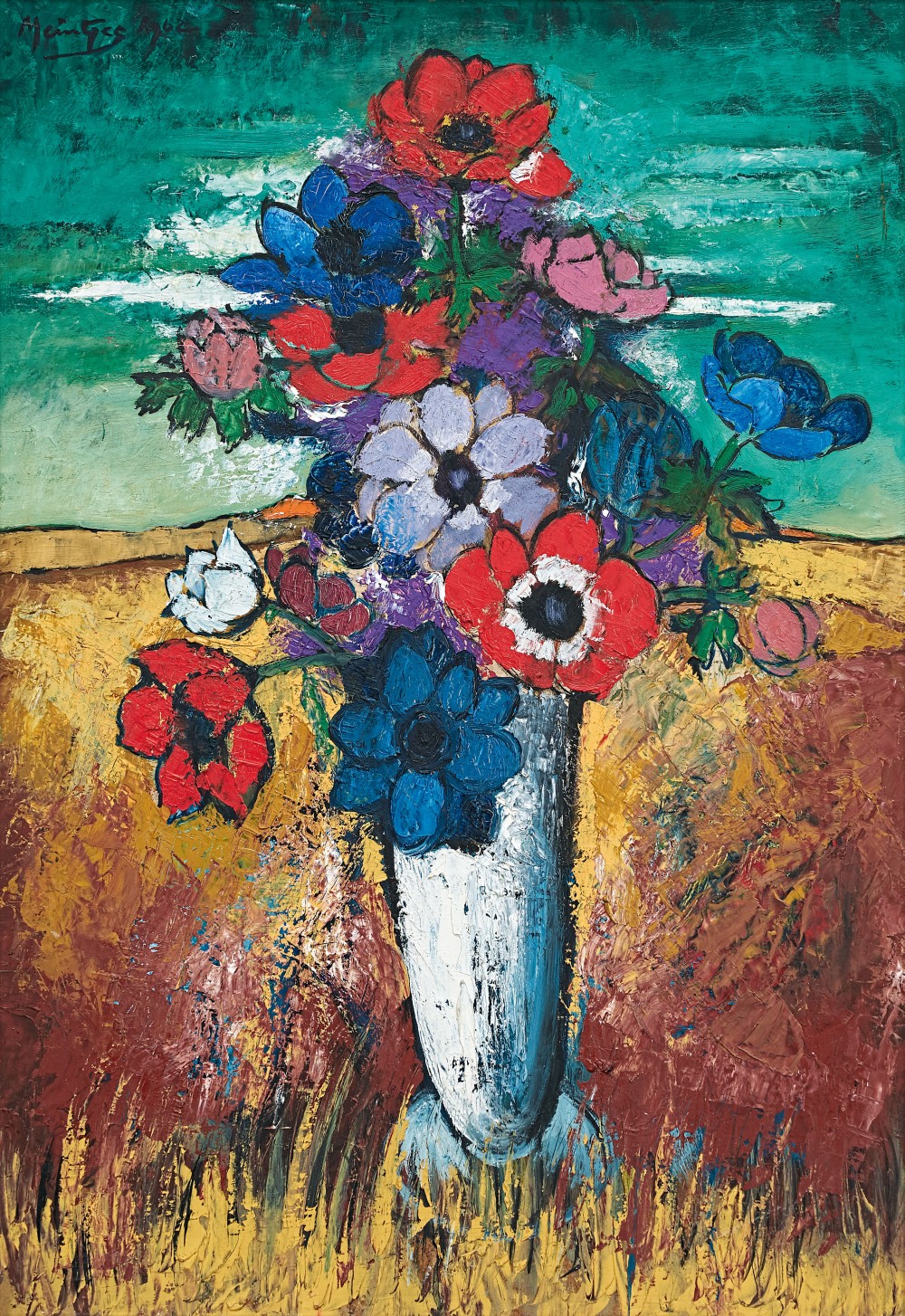
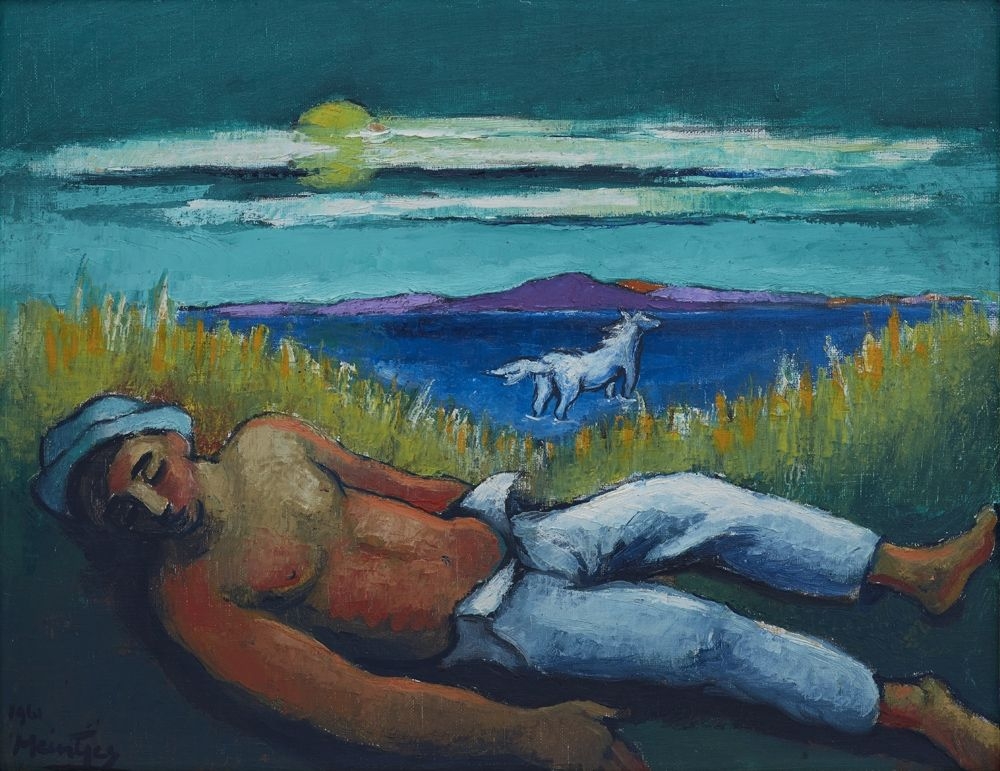
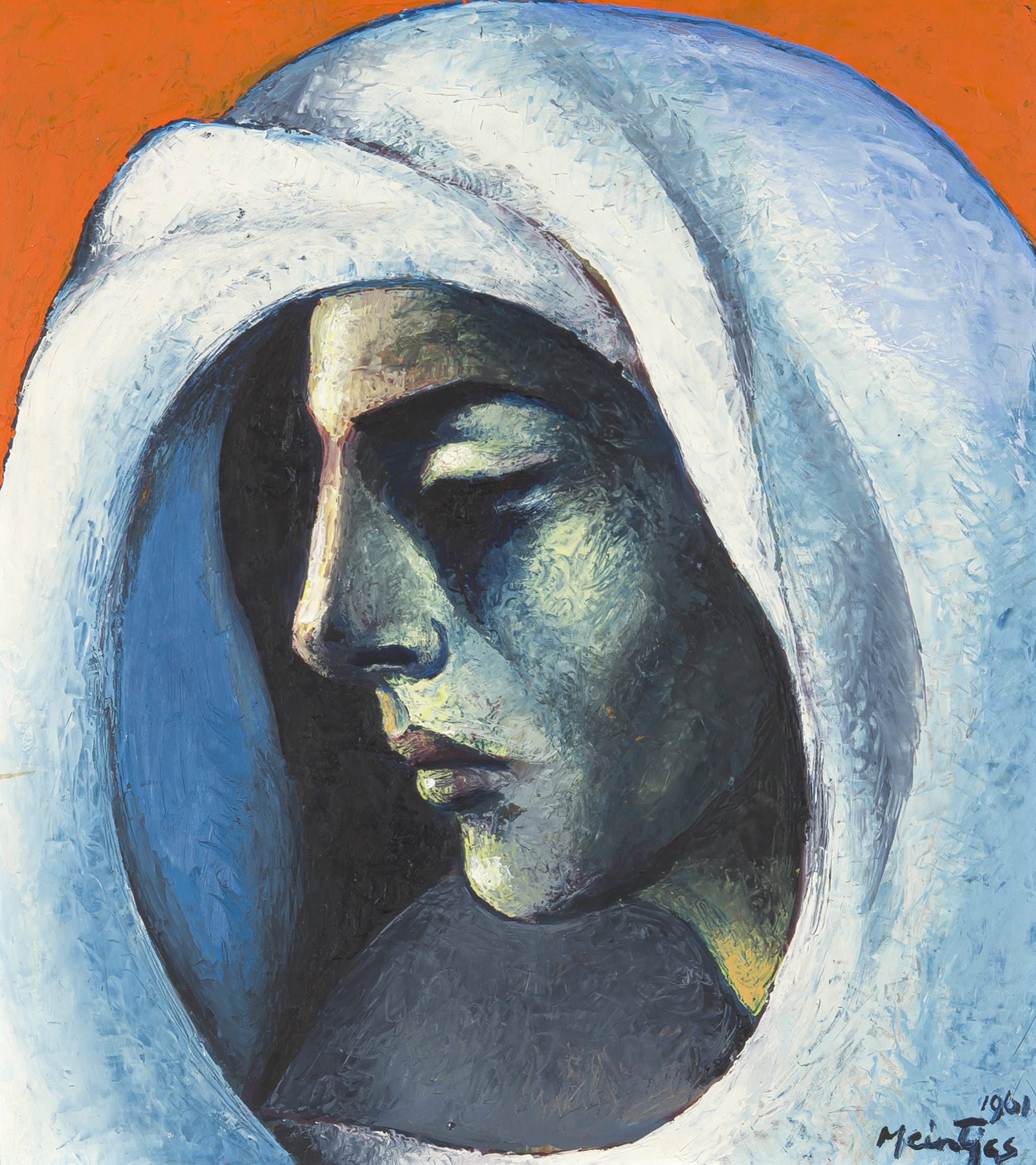
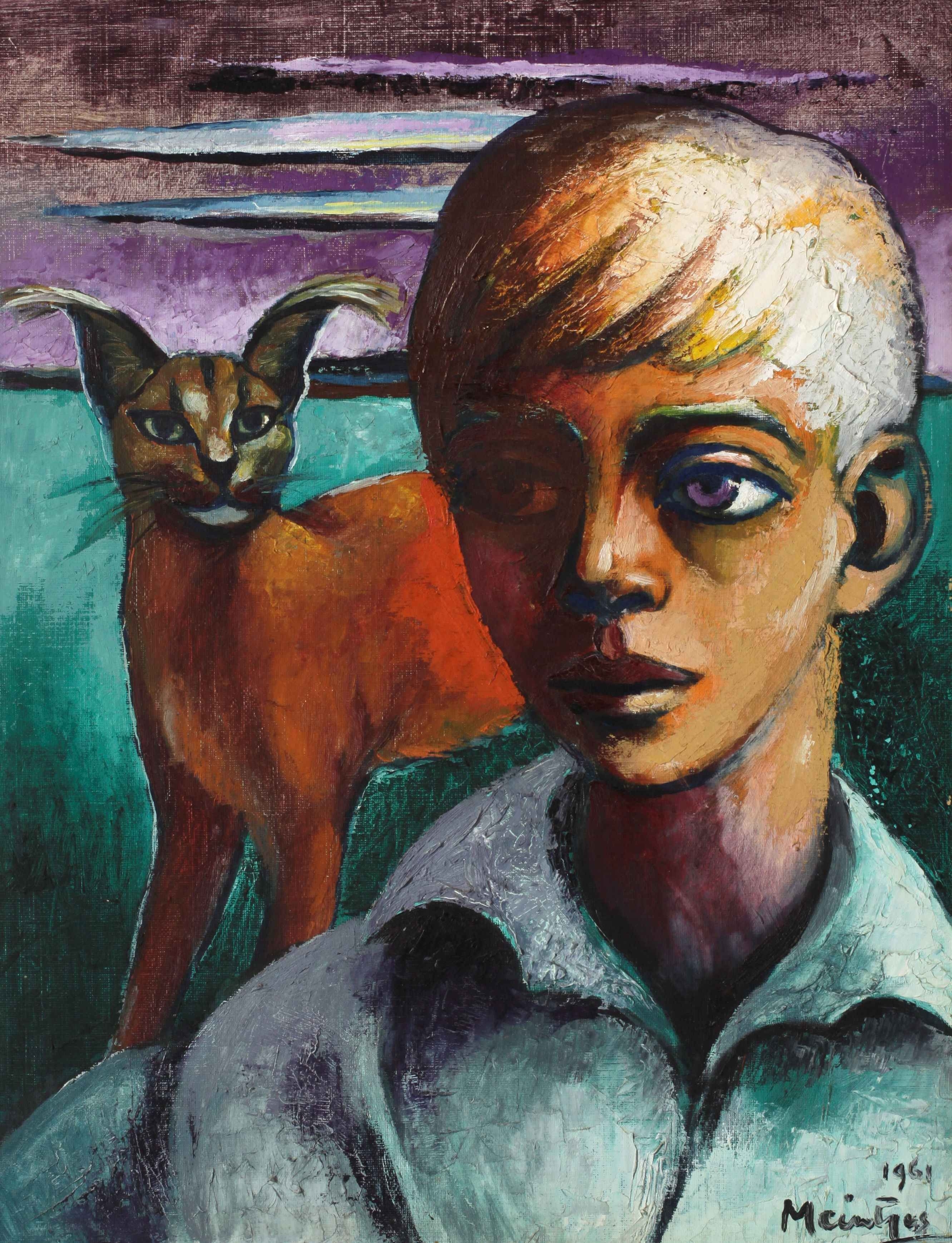
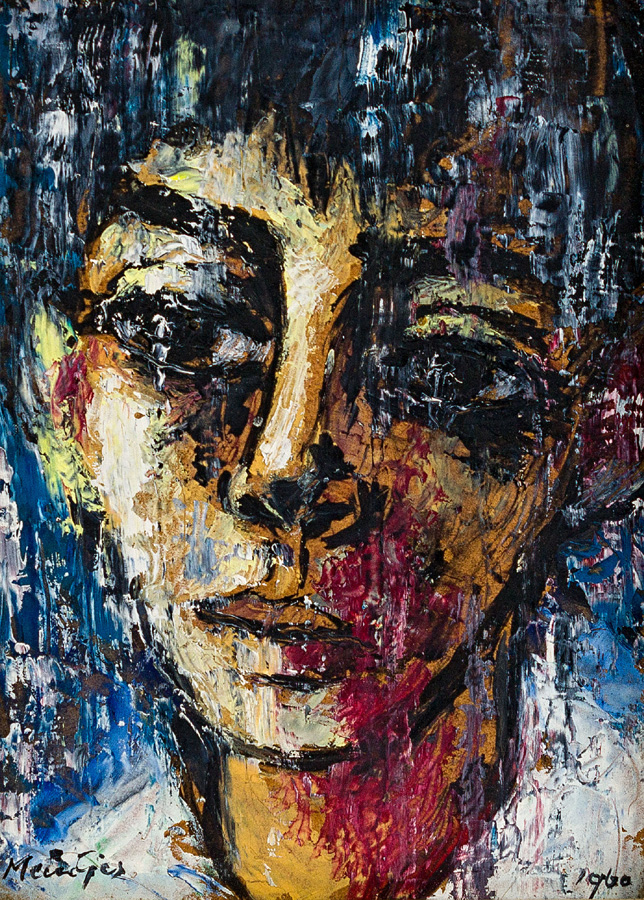
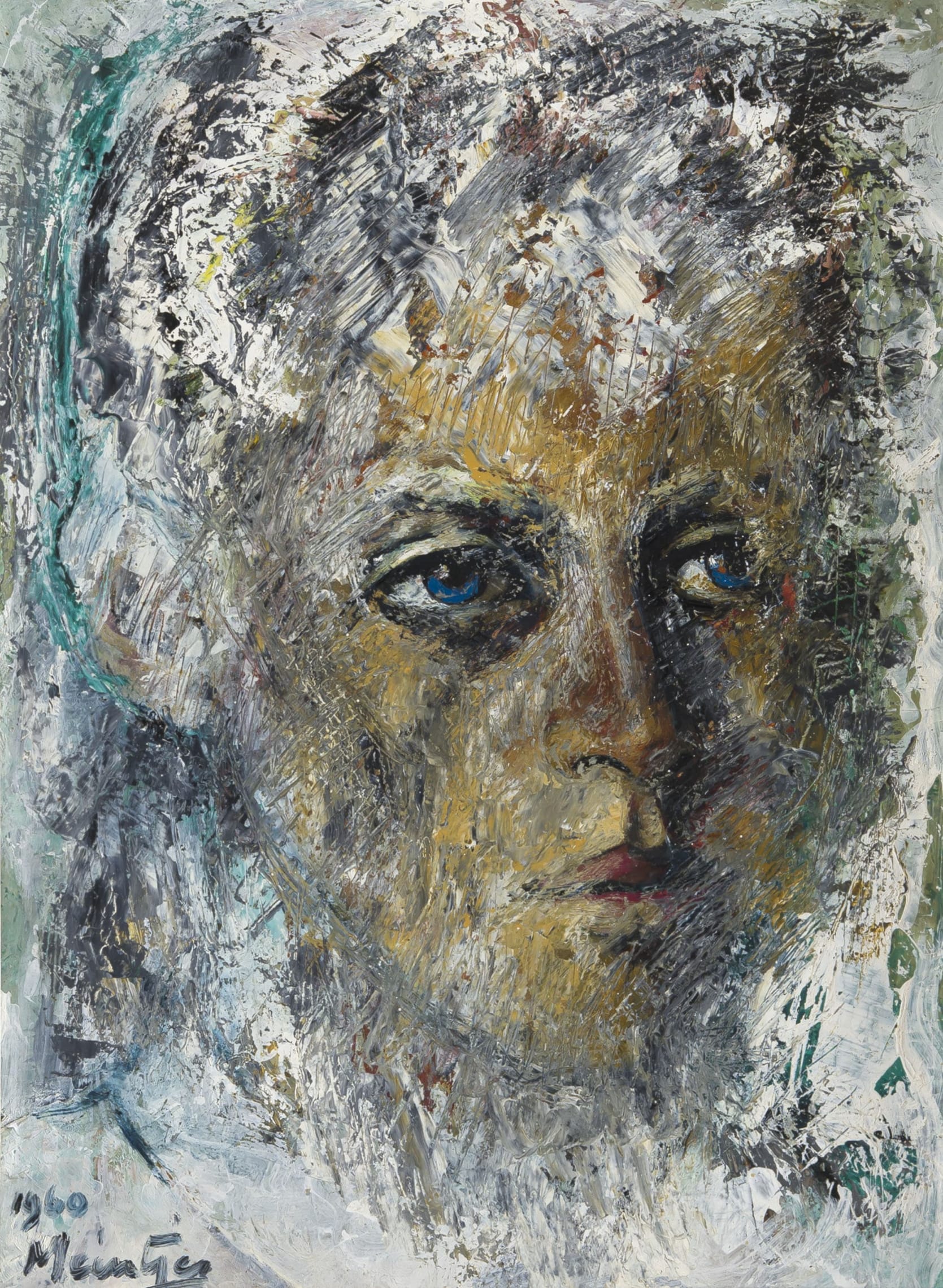
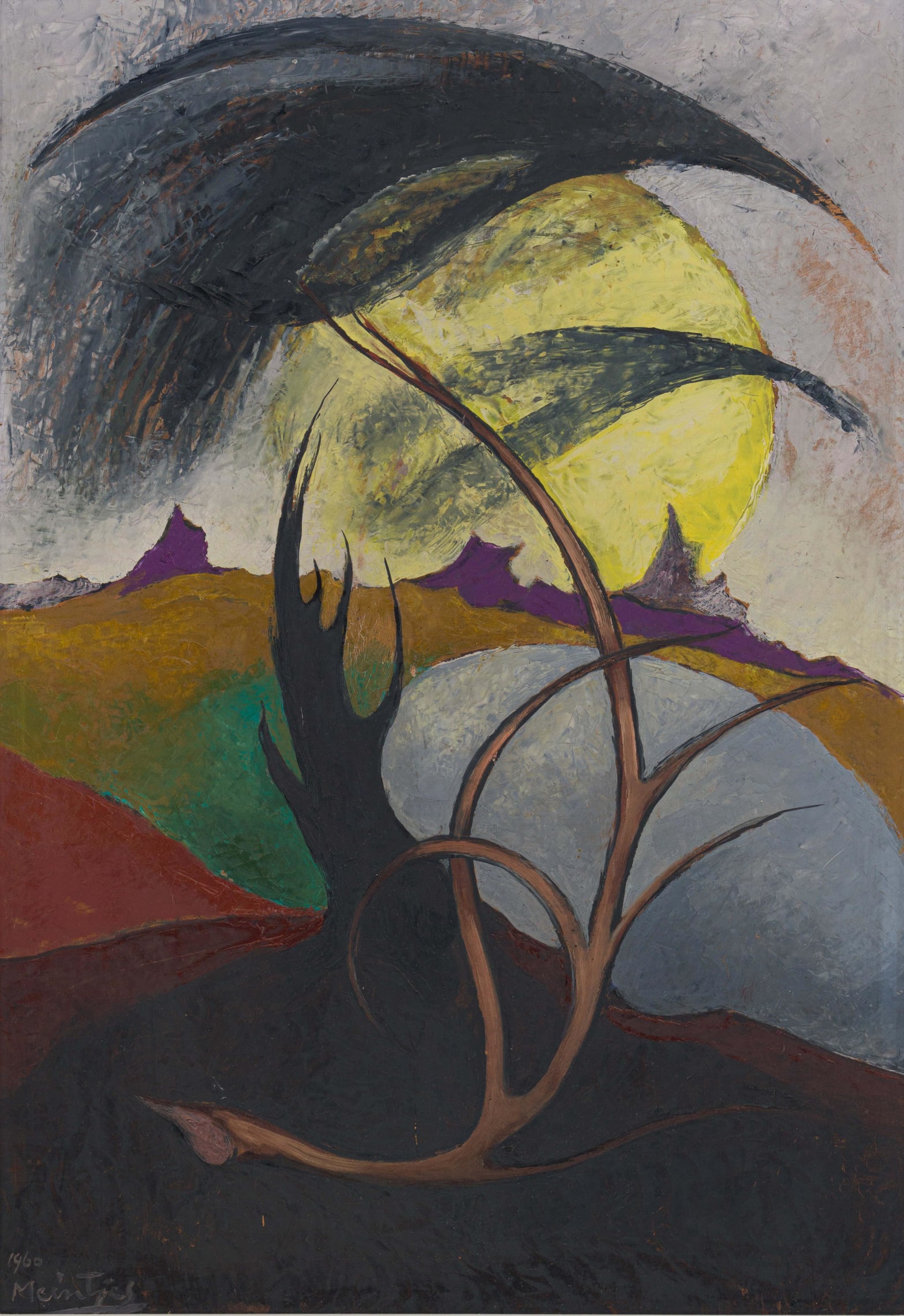
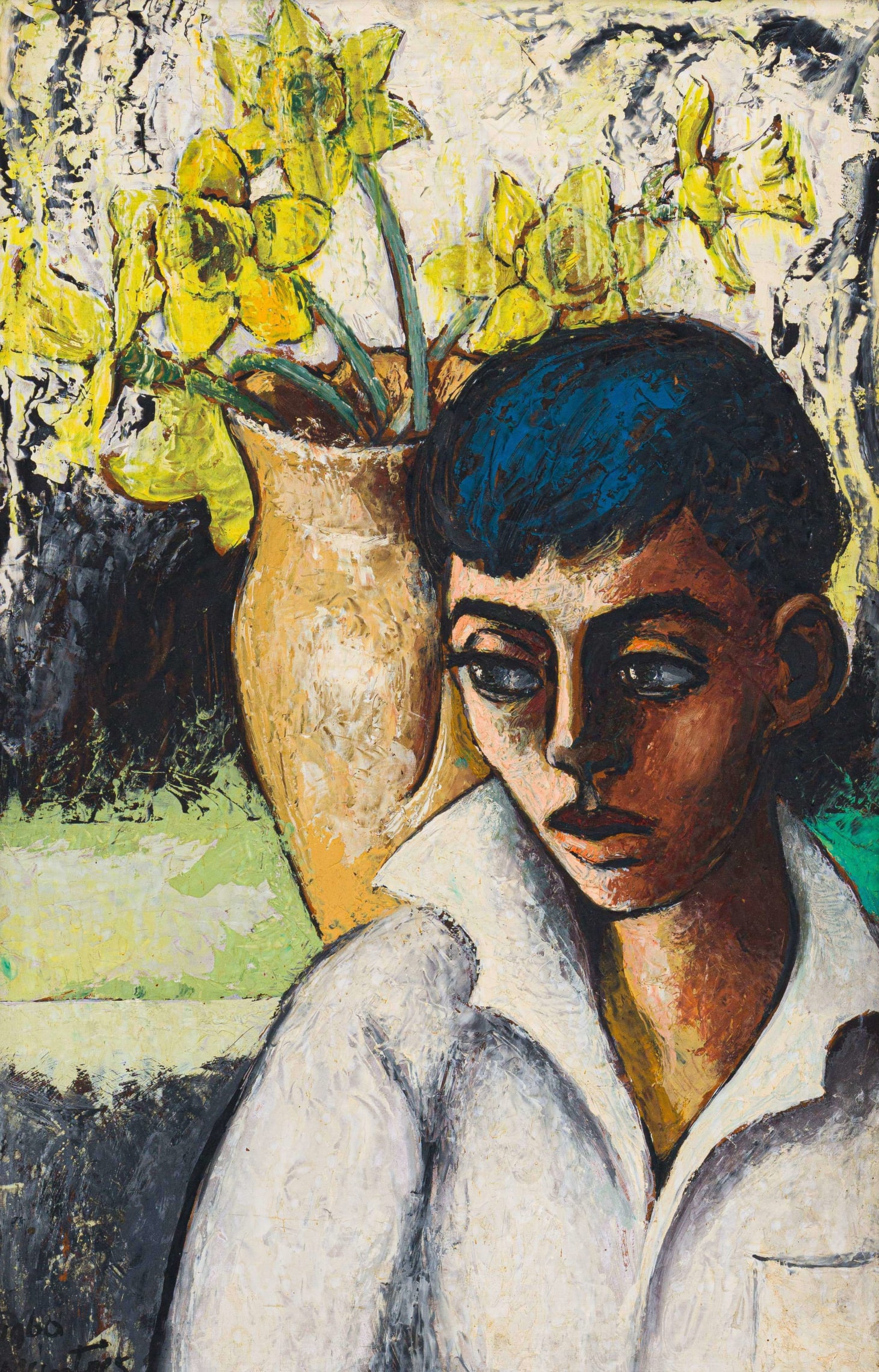
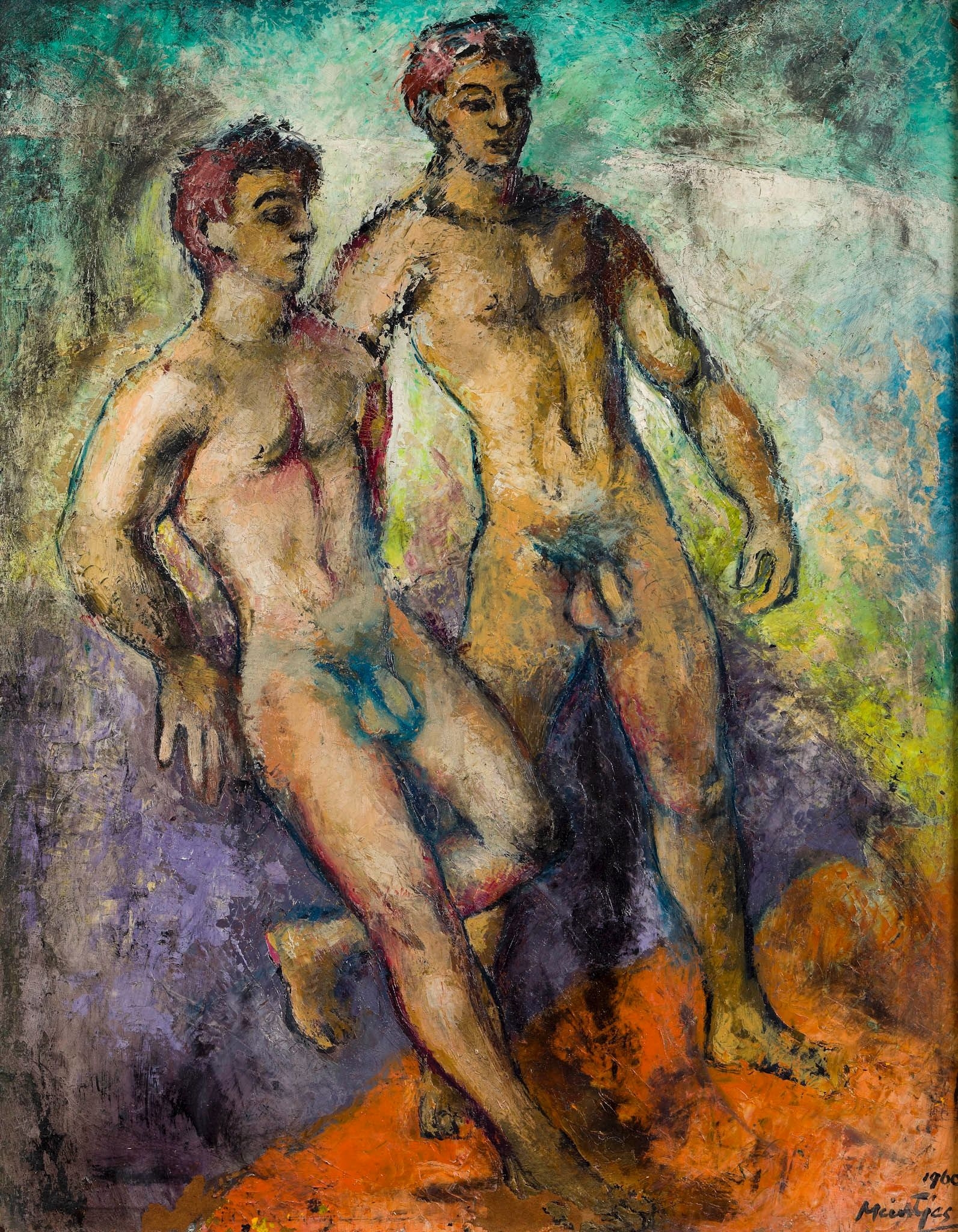
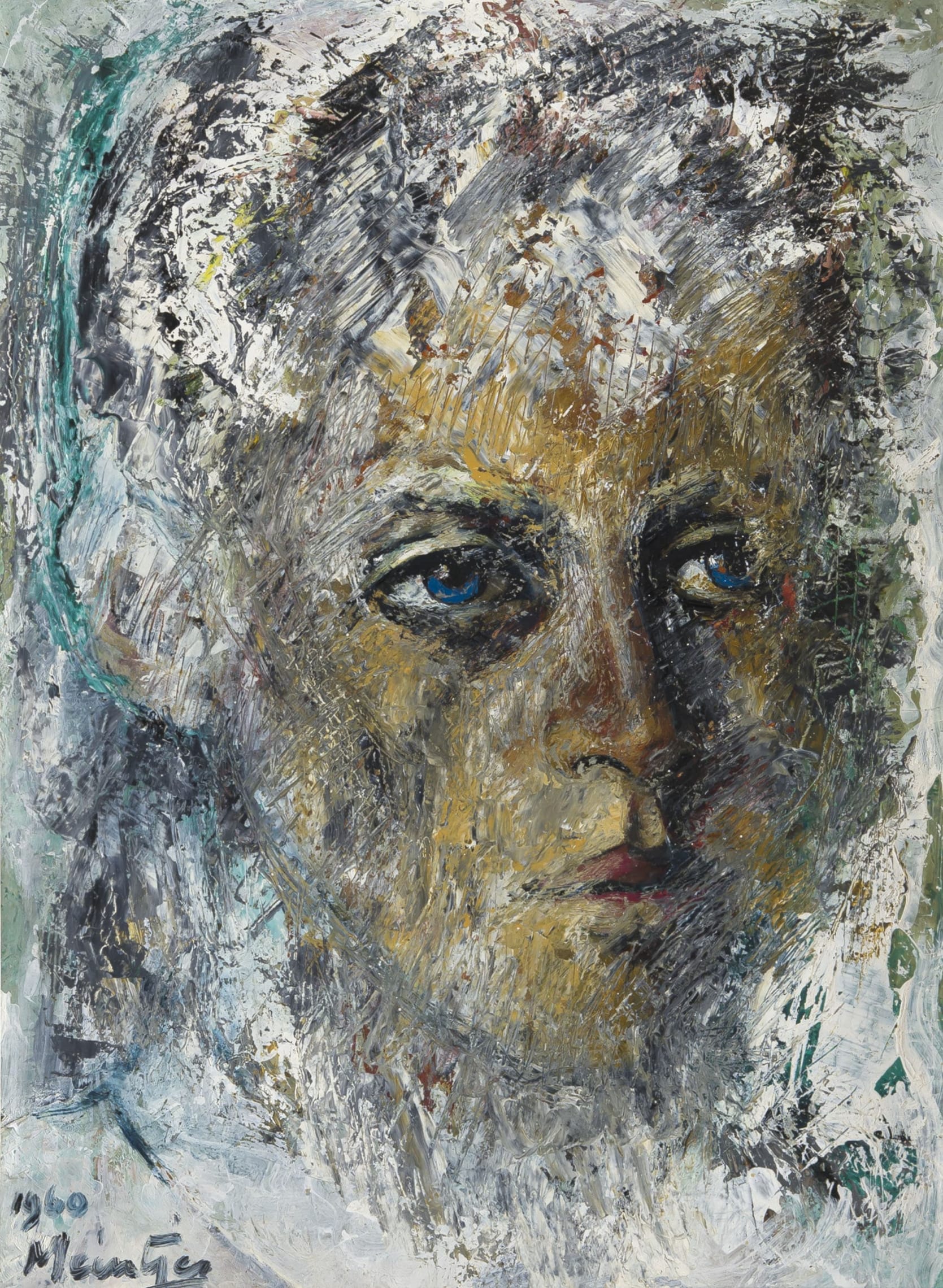
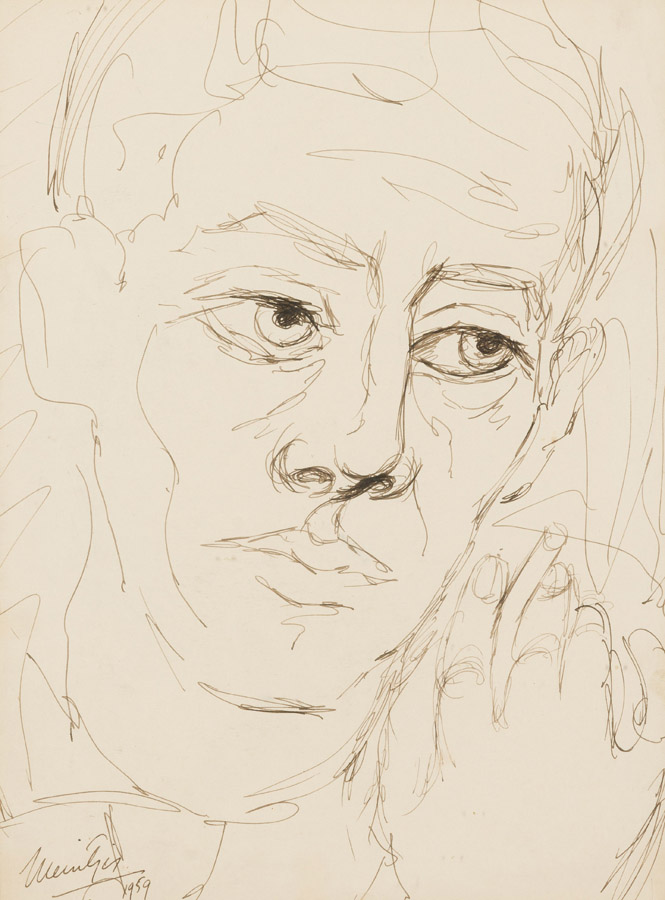
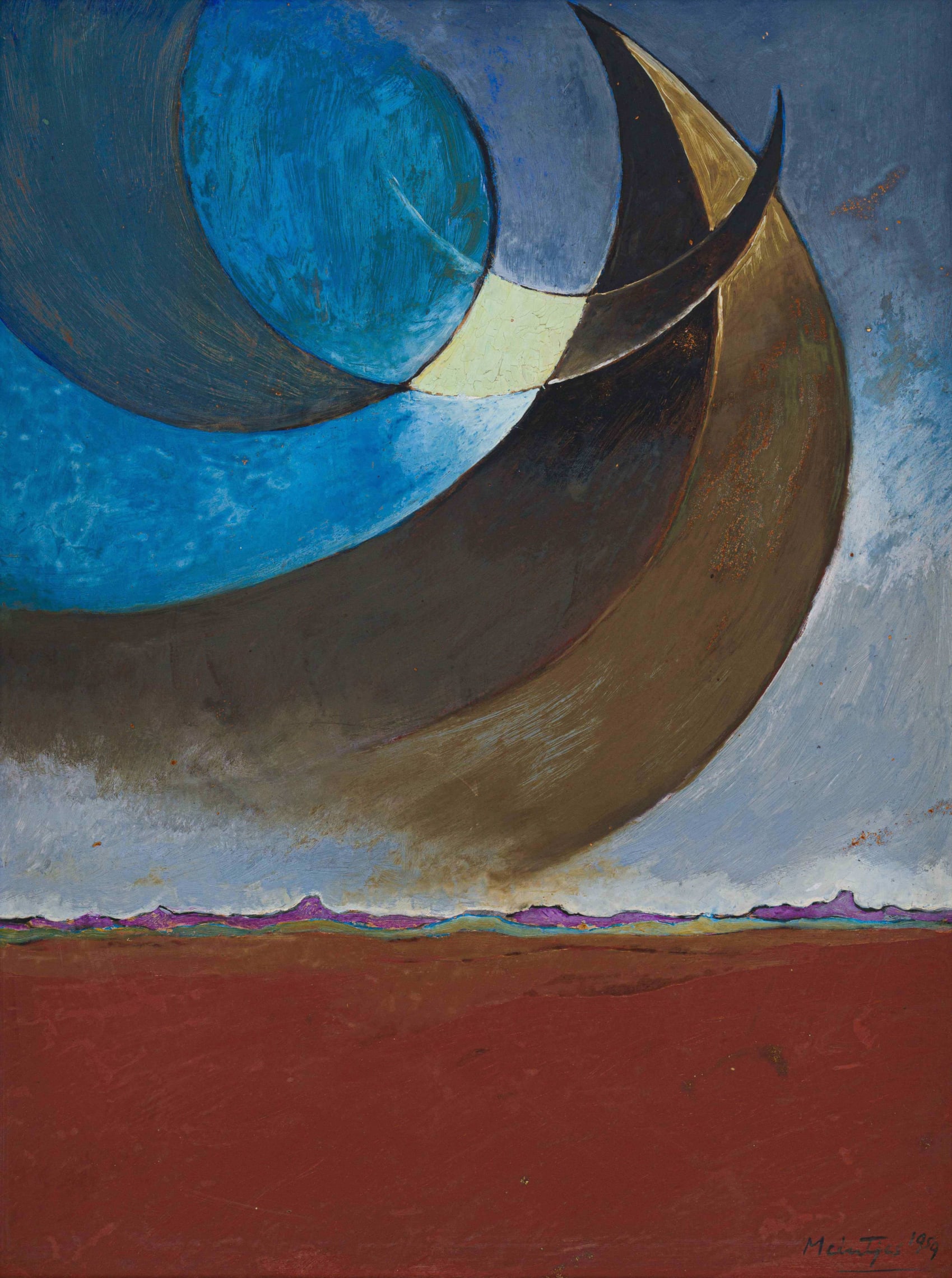
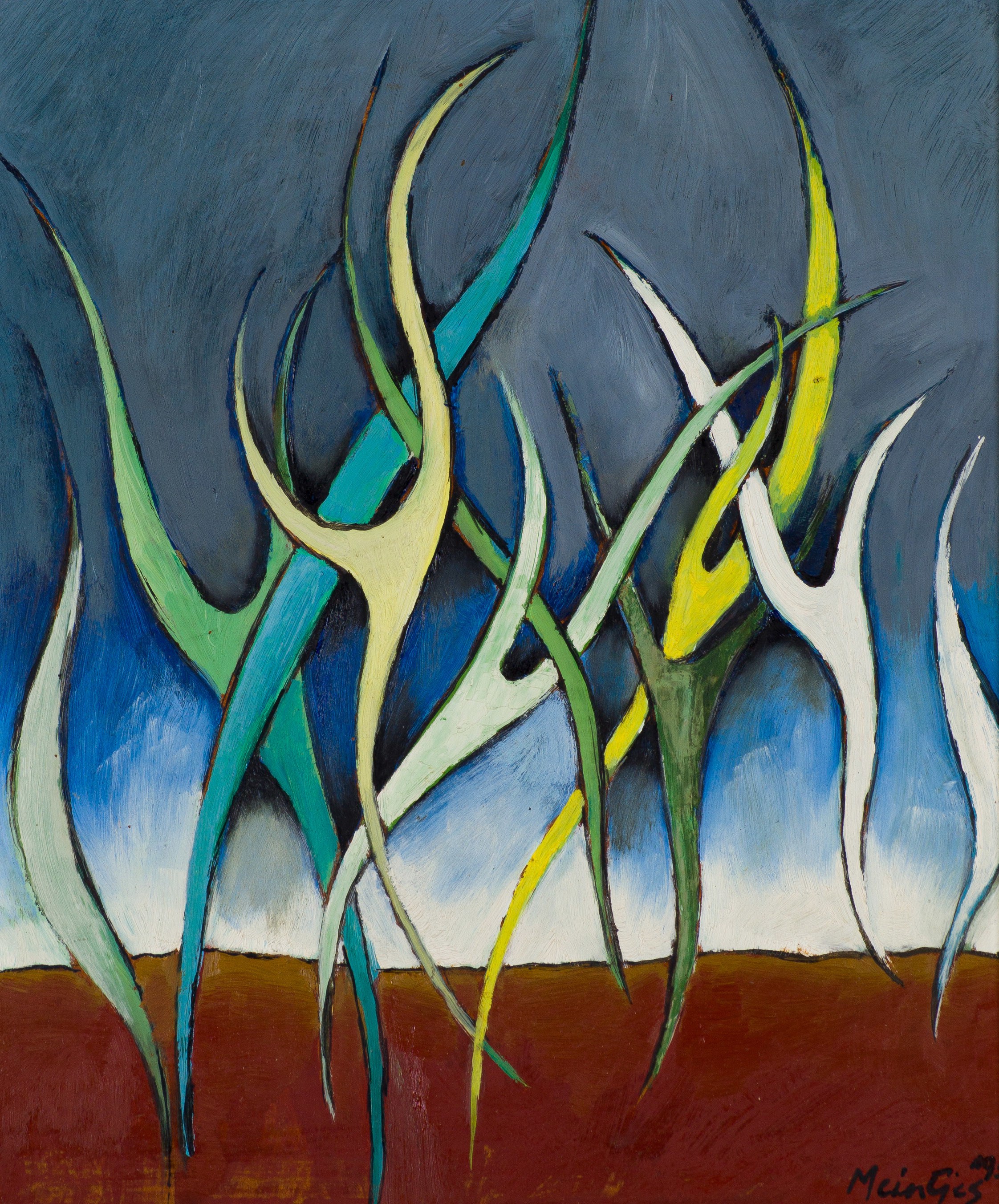
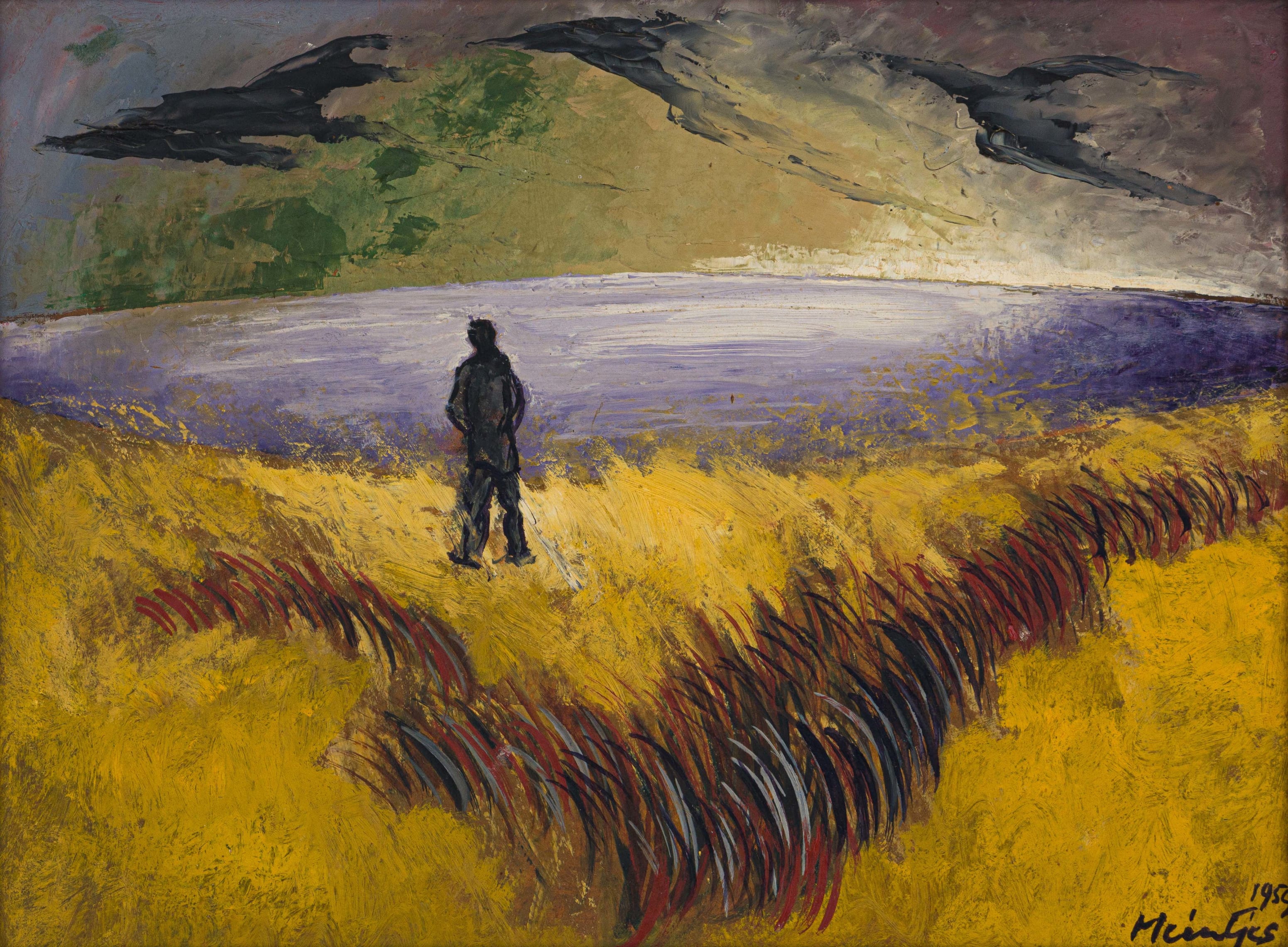
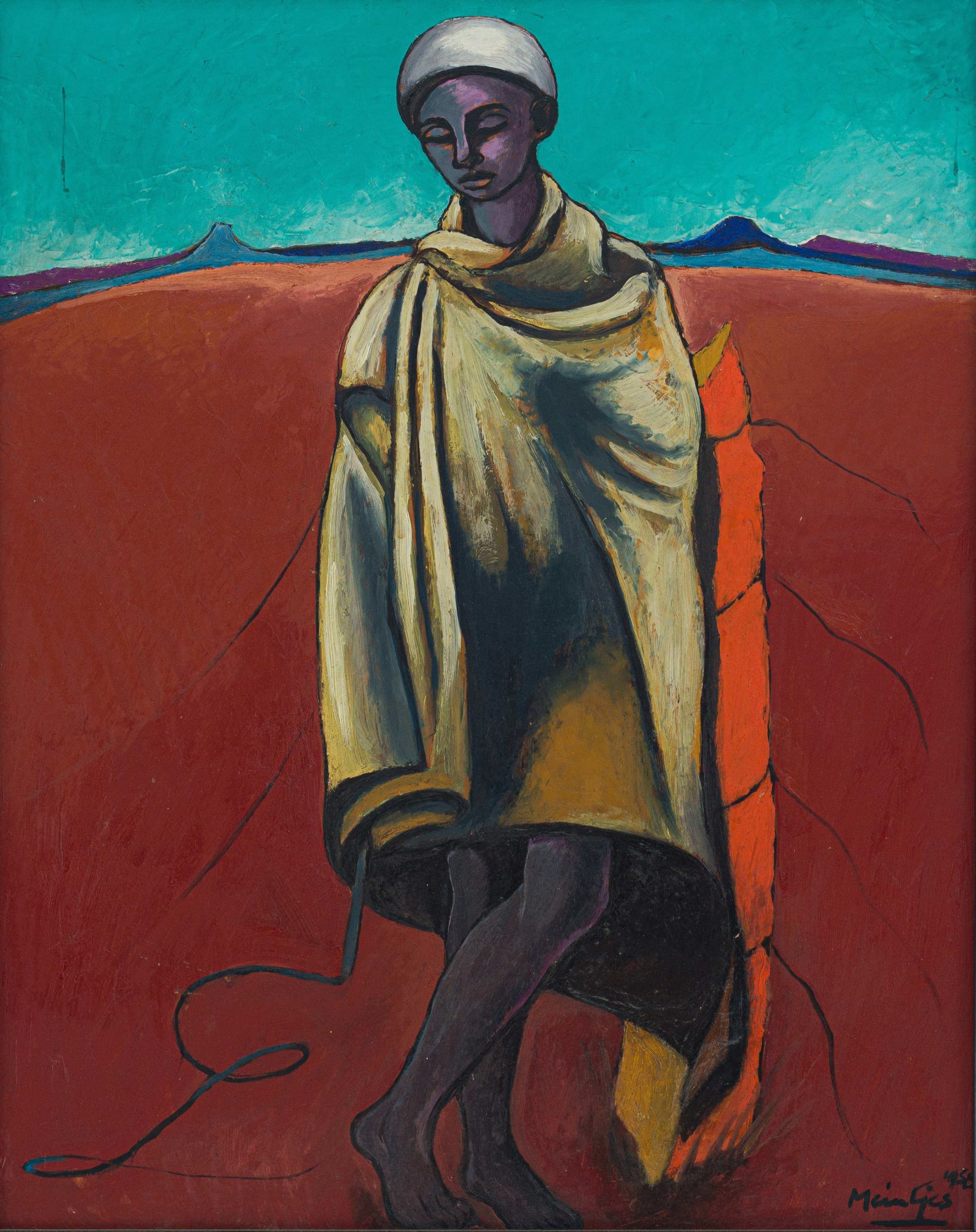
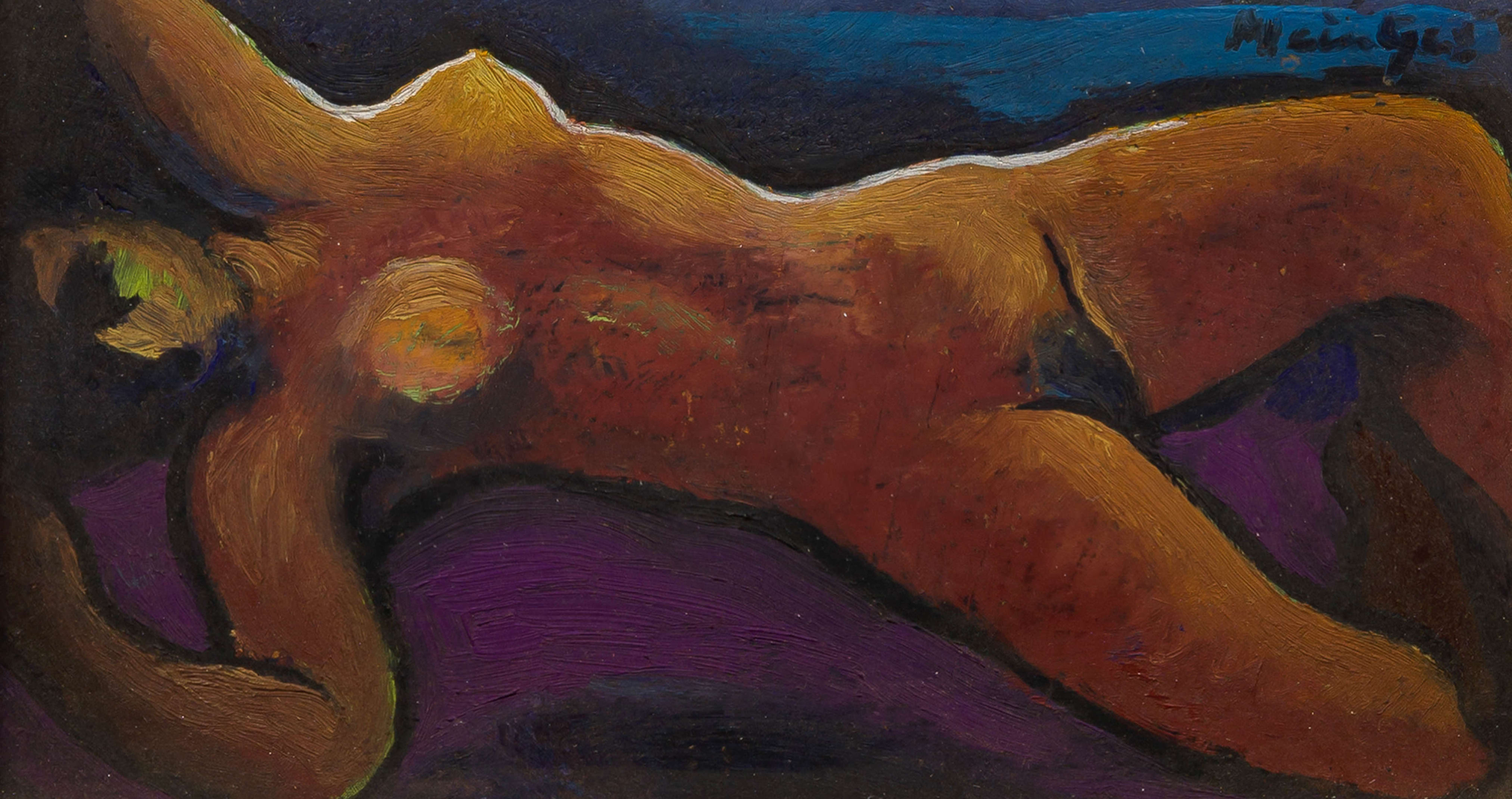
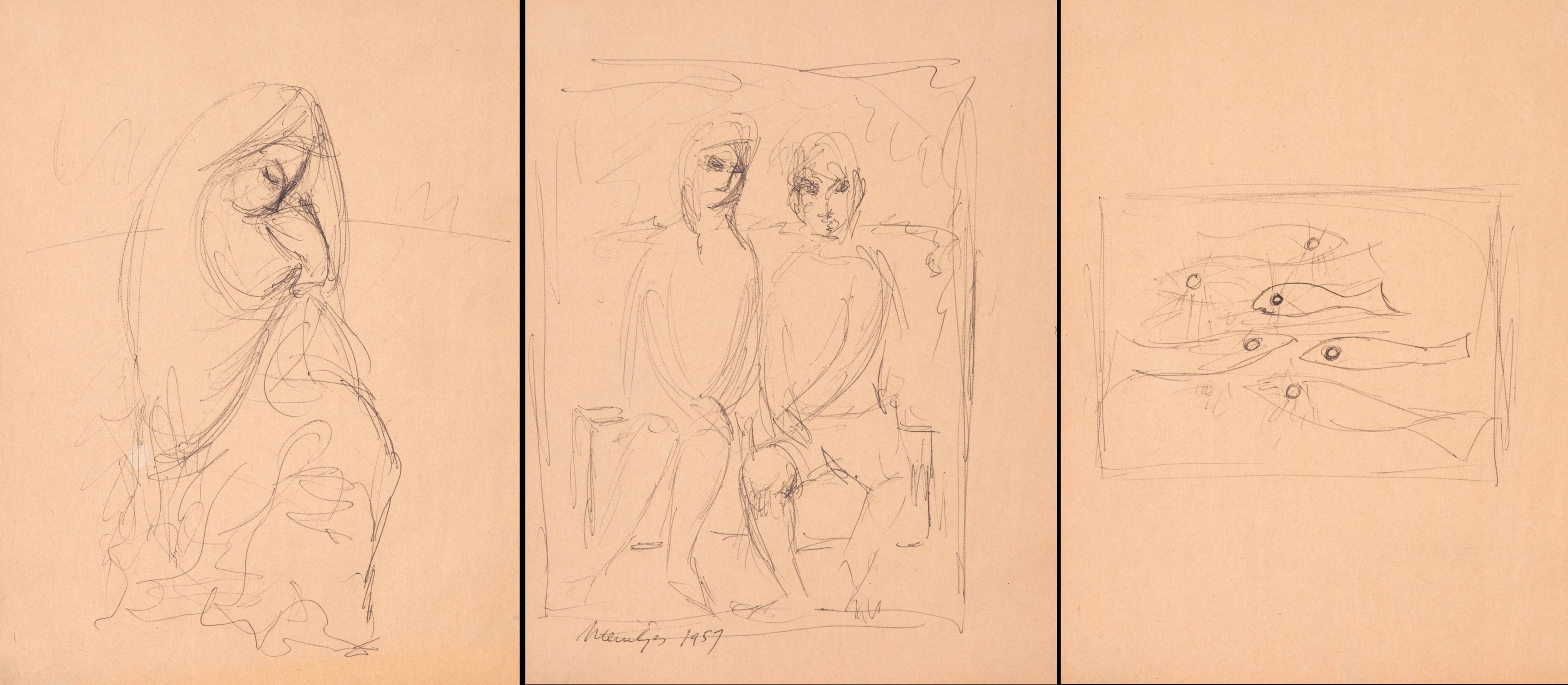
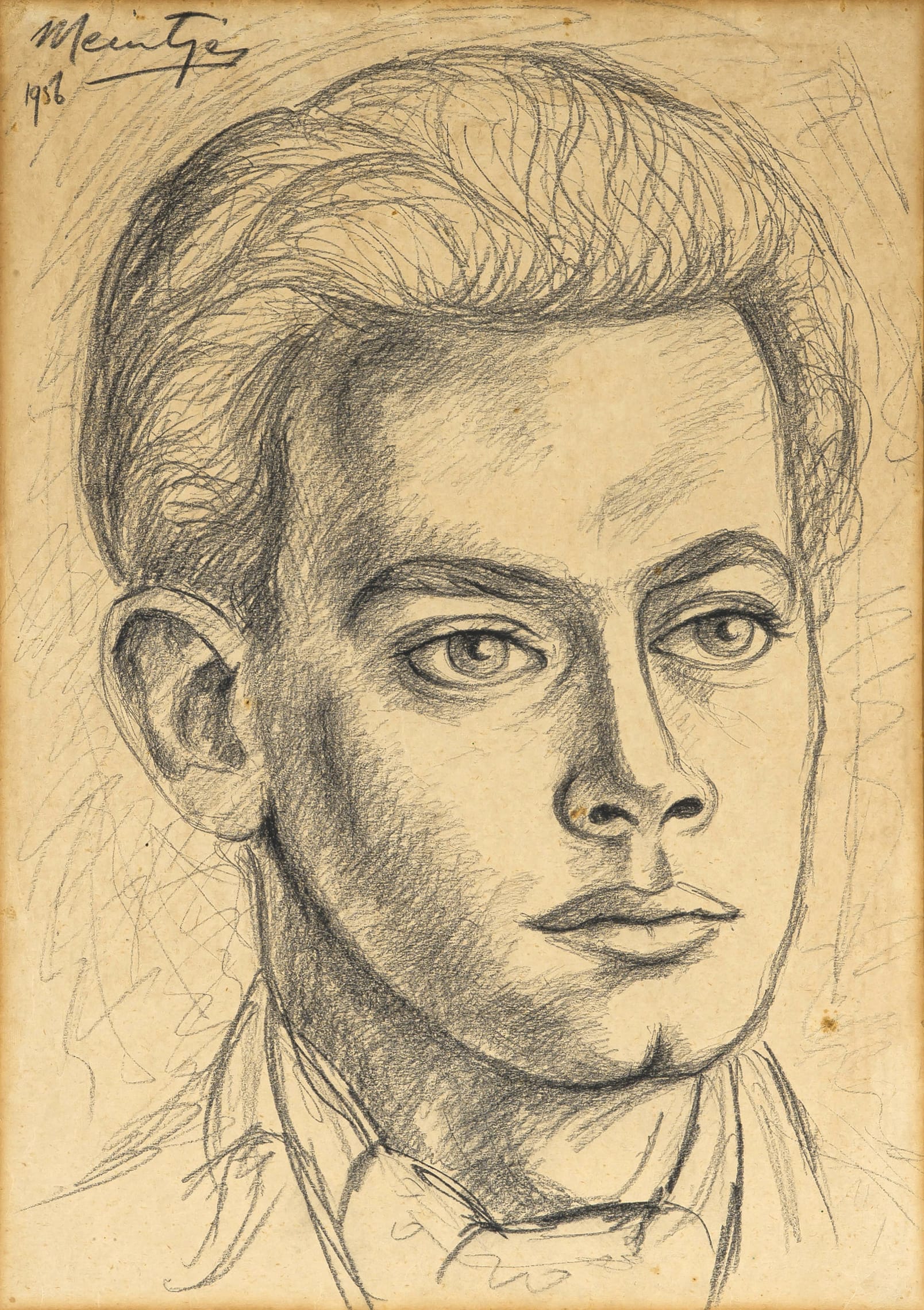
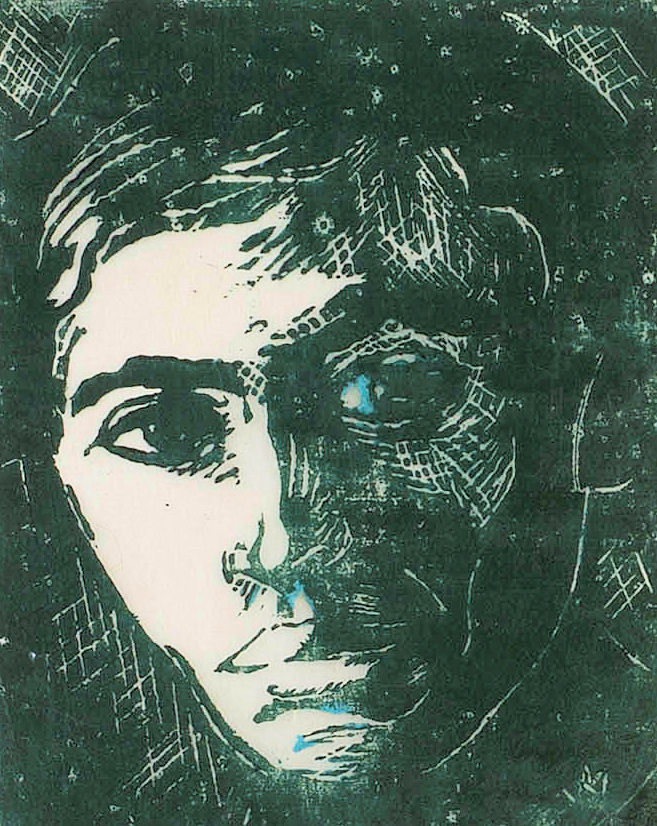
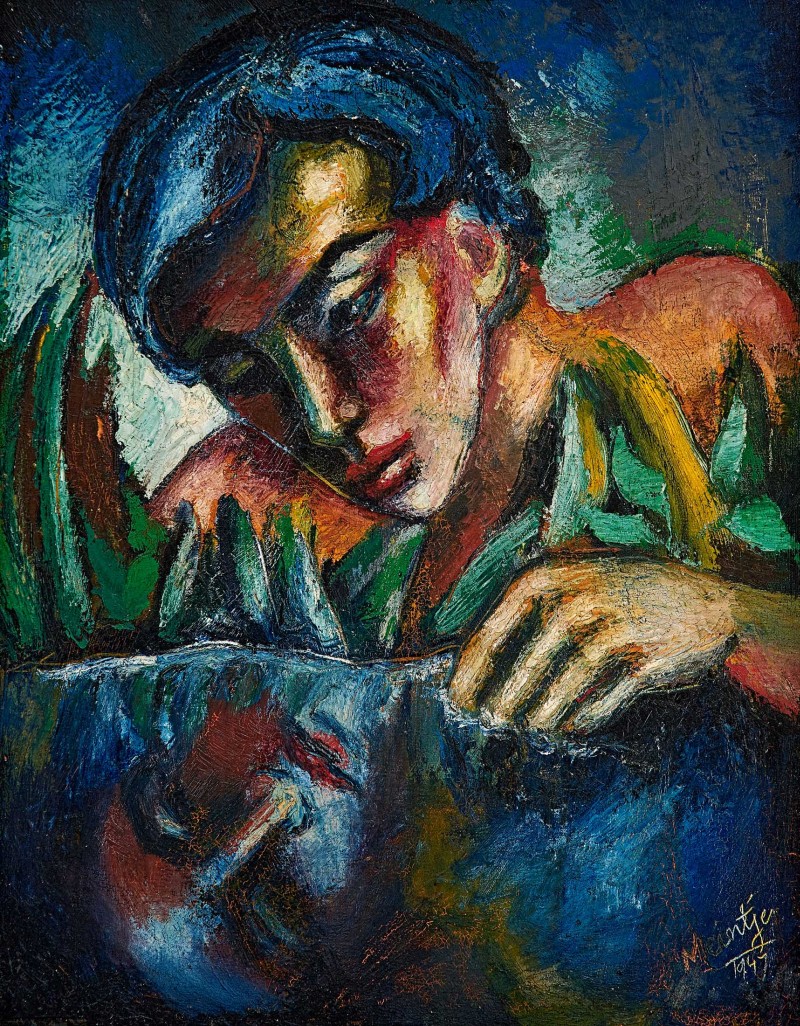
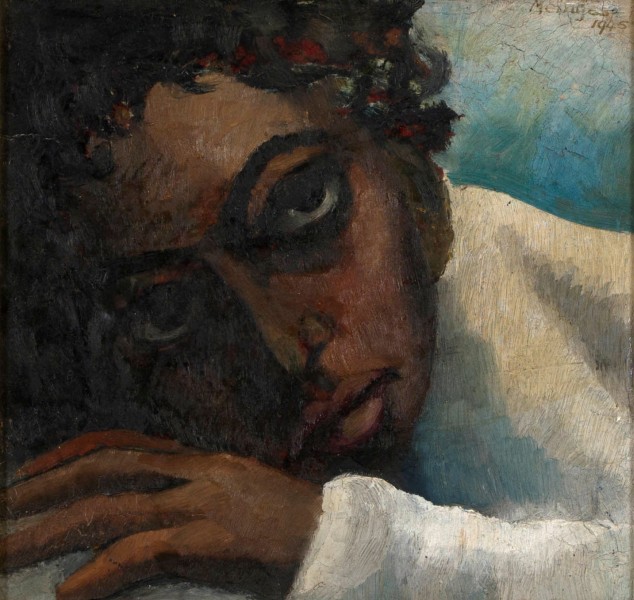
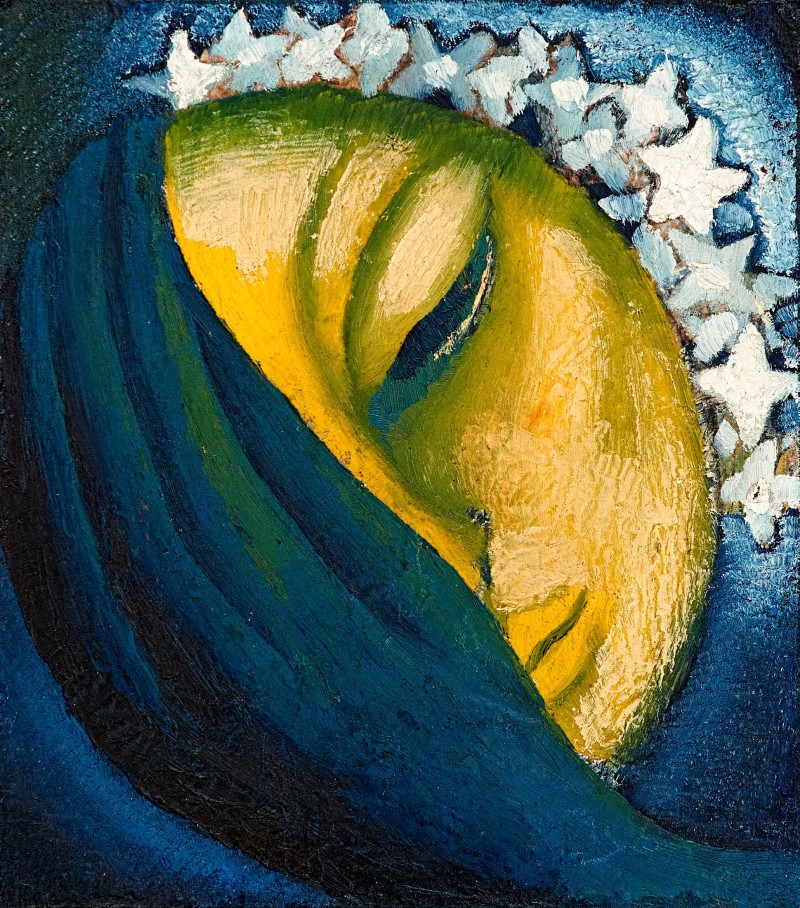
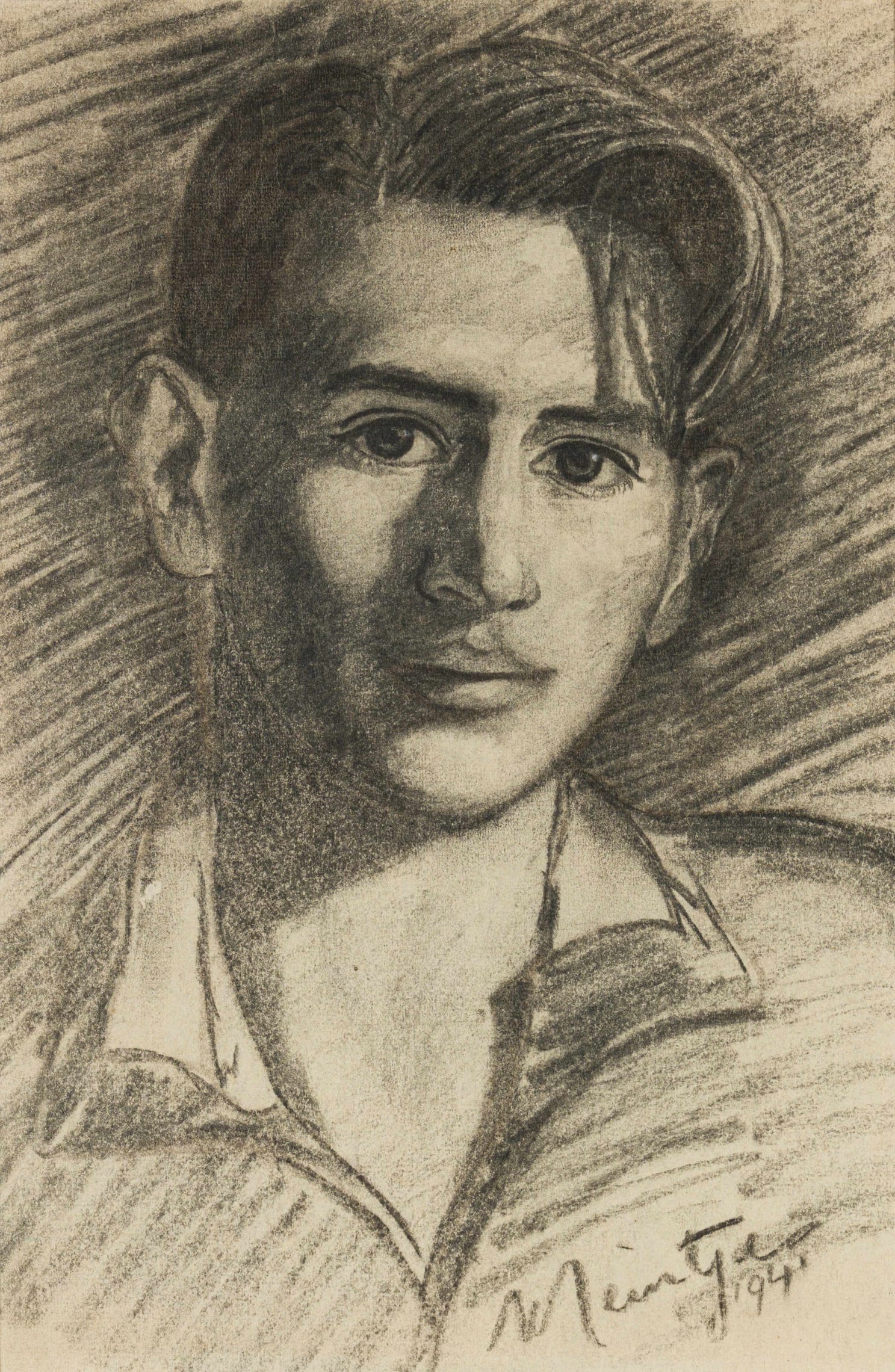
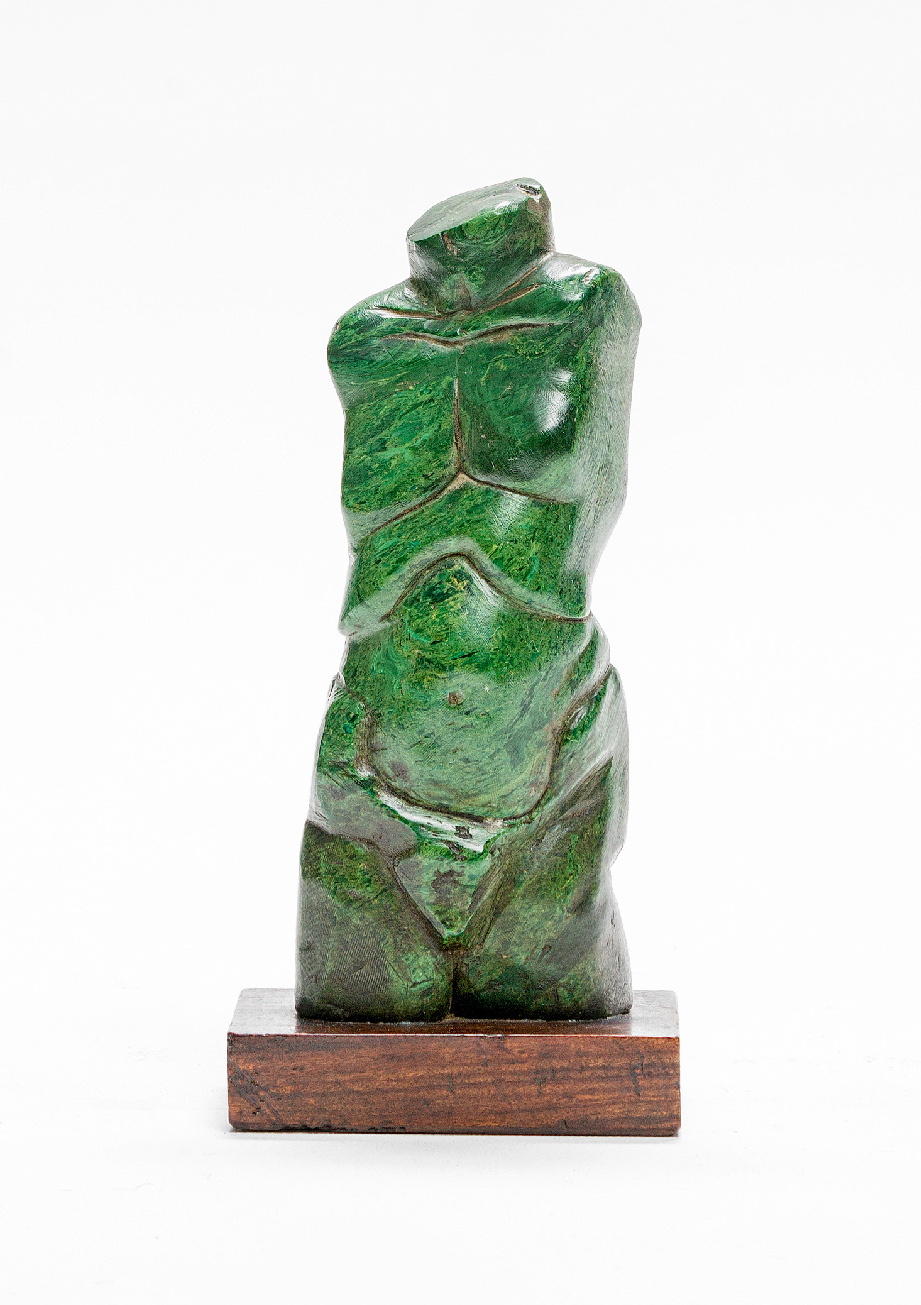
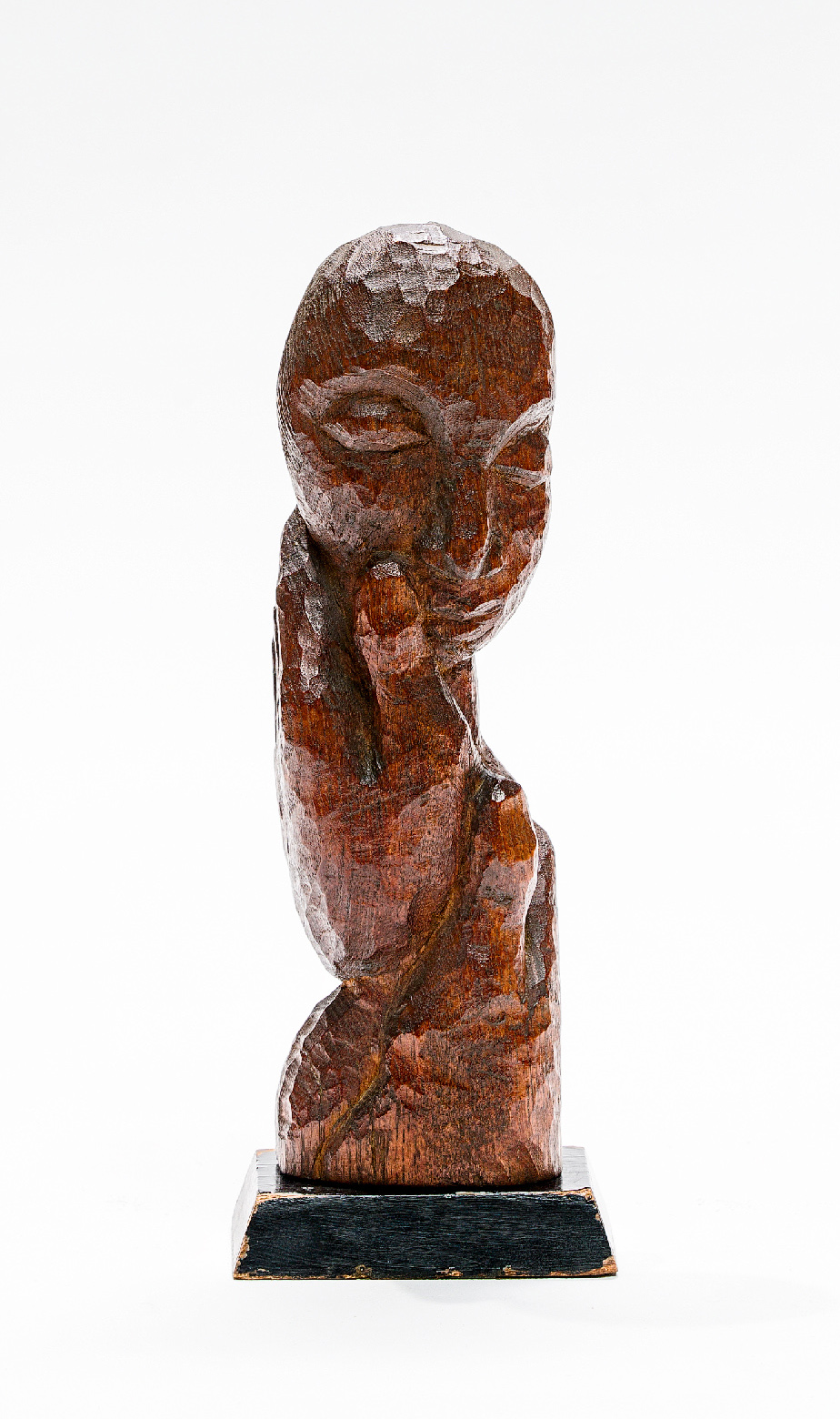
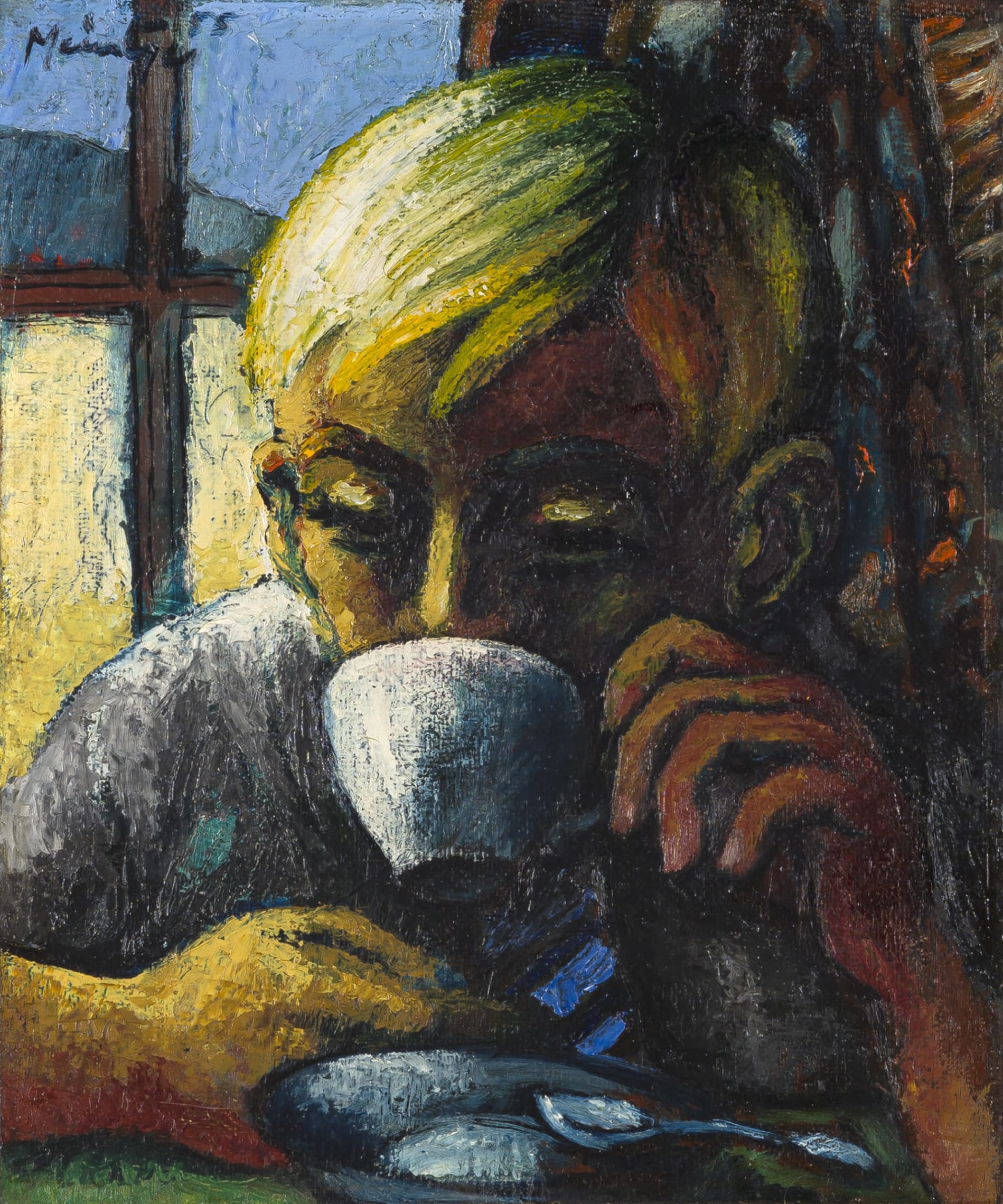
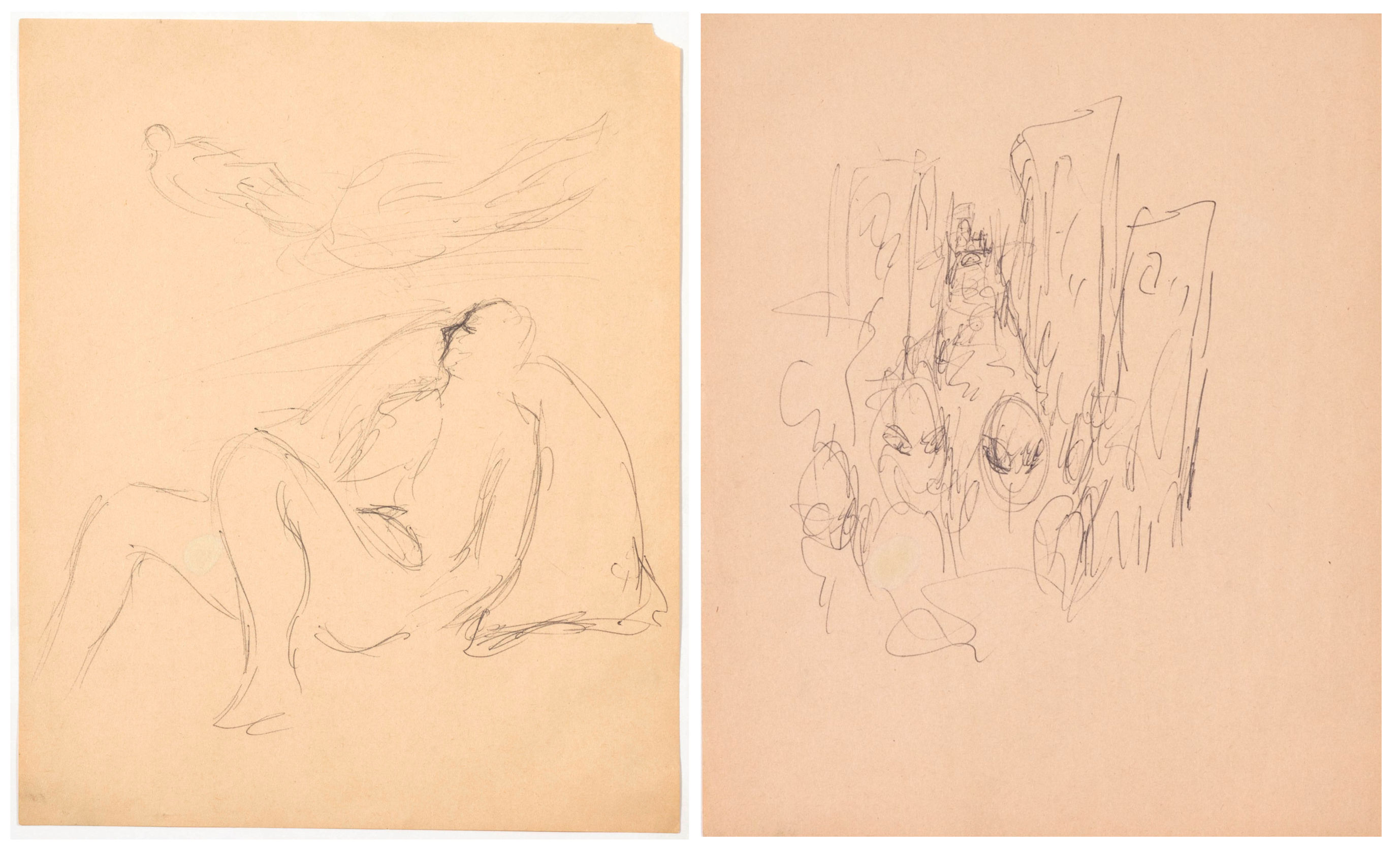
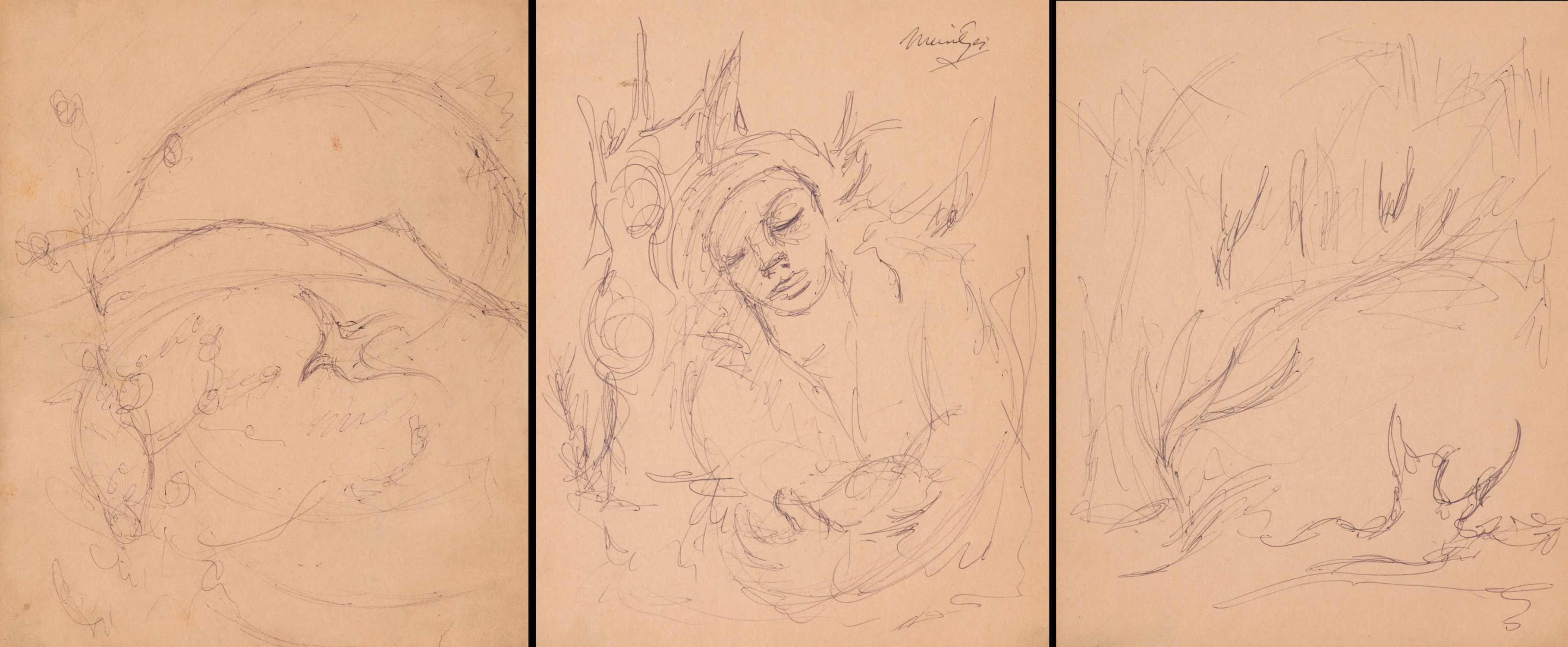
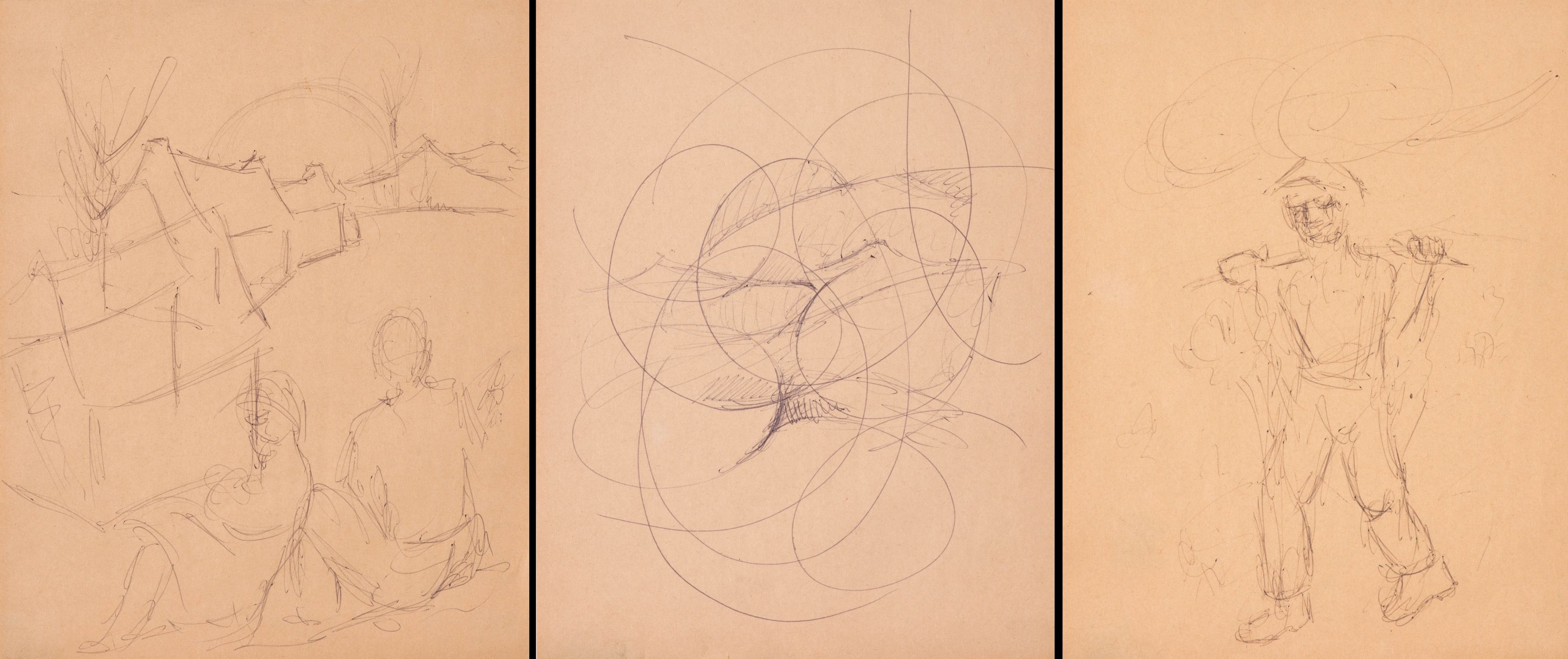
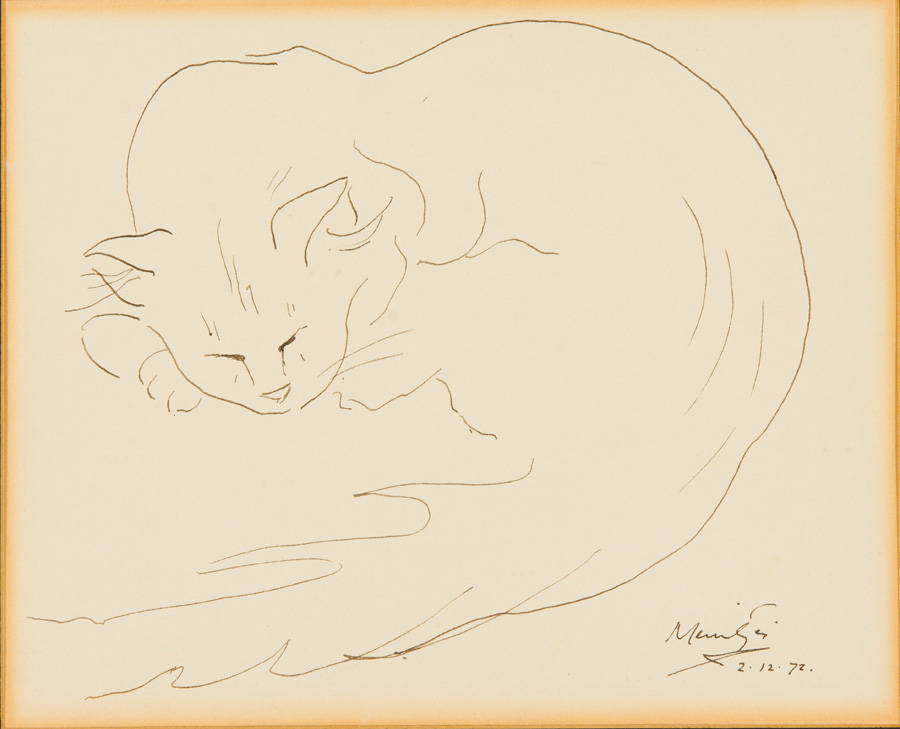
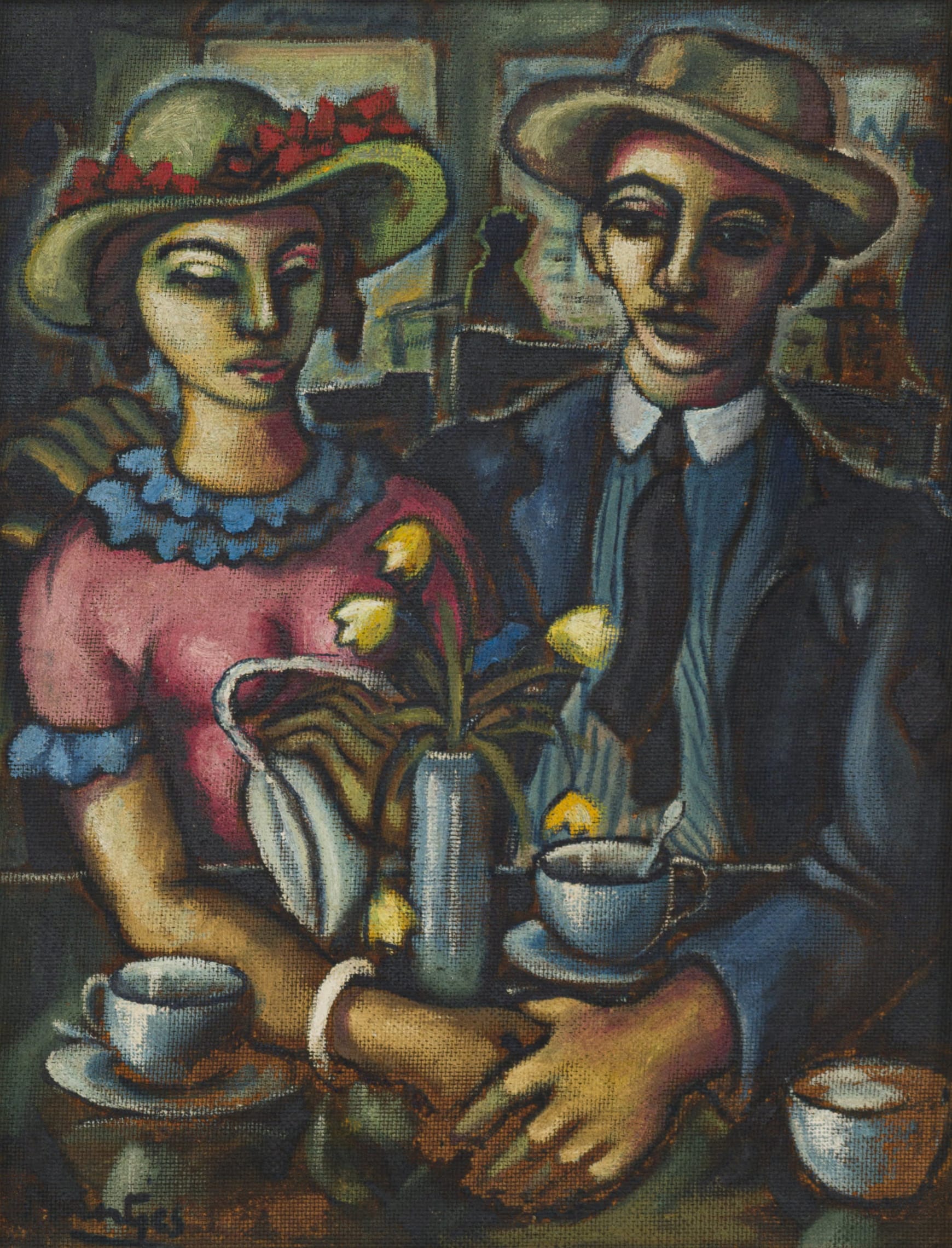
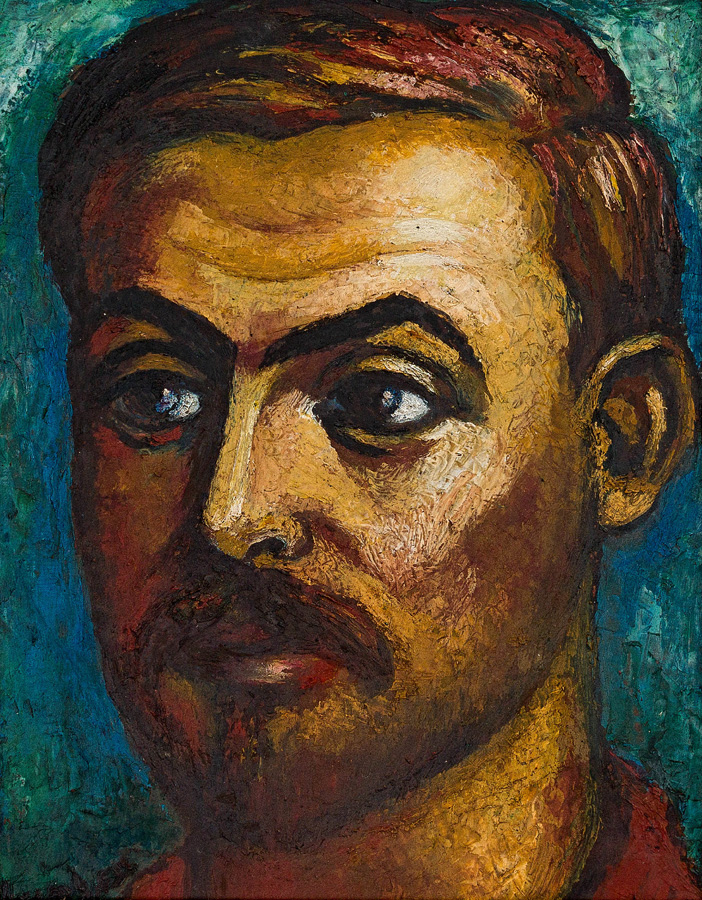
Johannes Meintjes (1923-1980)
[ Books ] Meintjes, Johannes Portrait Of A South African Village By A. Lomax, Molteno, 1894-1909 Molteno: Bamboesberg, 1964 First Edition Limted To500 Copies, No. 115 Xxiv Pp. + 126 Pp. Plates Portrait, Title, Dedication, Acknowledgements, Preface, Biography, Contents, Introduction, 127 Plates, Index 8Vo, 23,5 X 15,1 Cm Original Red Cloth, Dustjacket
Lionel. Notes On Pictures In The Royal Collections. London, 1911 -- Meintjes, Johannes. Maggie Laubser. Kaapstad, 1944 -- Cooper, Douglas. Tr‚Sors D'Art Des Grandes Familles. Paris, 1948 -- Boonzaier, Gregoire. Wenning. Cape Town, 1949 -- Bazin, Germain. Muse‚E De L'Ermitage. Paris, 1958 -- Laffaille, Maurice. Raoul Dufy. Volume 1. Geneva, 1972 -- And 9 Other Catalogues. Together 15 Vols., Various Sizes, Various Bindings (Conditions Vary). (15).
Maggie (Maria Magdalena) Laubser (South African 1886-1973) Portrait Of A Girl With Head Scarf Holding A Pumpkin Signed Oil On Canvas Delmont, L. And Marais, D., Maggie Laubser: Her Paintings, Drawings And Graphics, Perskor Publishers, Johannesburg, 1994, Illustrated On P 246 Cat No 888
Meintjes, J. Maggie Laubser, Jacques Dusseau And Co, Cape Town, J. H. De Bussy, Pretoria, 1944, Illustrated On P 11
Provenance
Mrs Wegener, Vereeniging, Acquired From The Exhibition Constantia Gallery, Johannesburg,1946, And Thence By Descent To The Current Owner
54 By 44Cm
Maggie Laubser Has Consistently Remained On The Top Selling List Of South African Artists, And As A Female Artist, Is Second Only In This Achievement To Her Contemporary, Irma Stern. Like Stern, Laubser’S Output Was Prolific, And Both Artists Experienced The Heady Thrill Of Berlin In The 1930S Meeting The Movers And Founders Of The Expressionist School. Although Laubser Met Max Pechstein, She Was Not Taught By Him, Instead Finding A Mentor And Supporter In The Leading Expressionist Karl Schmidt-Rottluff, Amongst Other German Colleagues. Both Stern And Laubser Travelled Extensively Throughout Europe, And For A Brief Period Of Time, Travelled Together In Germany. Laubser Returned To South Africa To Record What She Saw Around Her In The Idyllic, Yet Lonely Life She Encountered On Her Family’S Rural Cape Farm. The Subsequent Careers Of Laubser And Stern Diverged Significantly, However, And They Became Fierce Competitors.
Portrait Of A Girl With Headscarf Holding A Pumpkin, Lot 774, Reflects The Life Of A Young Farmworker In The Milieu Of A Bountiful Harvest Epitomised By The Giant Pumpkin That Almost Engulfs Her. This Is An Important Early Work In The Genre Of The “Poetic Folk-Lore Imagery For Which She Is Renowned.” Painted In 1941, It Was Exhibited In Her Seminal Exhibition At The Constantia Gallery In Johannesburg In 1946, A Time When The Artist Had “Staked Out Her Artistic Territory: A World Of Simple Images In Which The Harmony Of Her Unsophisticated And Untroubled Youth Survive.” It Is Illustrated In Both The Catalogue Raisonné Of The Artist’S Work And The 1944 Publication On Maggie Laubser By Her Great Friend And Fellow Artist, Johannes Meintjes. By The Time This Work Was Exhibited At The Constantia Gallery, Maggie Laubser Had Begun To Achieve A Relative Measure Of Success, In This Same Year She Was Awarded The Medal Of Honour For Painting From The South African Academy For Science And Art, Making Her The First Woman Ever To Have Received This Accolade.
A Lifelong And Constant Concern Of The Artist Was The Struggle To Make A Living. As Portraiture Offered The Possibility Of Commissions, It Soon Became Her Genre Of Choice. “She Completed Many Portraits During The Late 20’S And Early 30’S – Strong, Positive Portrayals- In All Of Which Her Sympathetic Awareness Of The Human Being Behind The Features Is A Conspicuous Aspect Of The Work. A Certain Melancholy Haunts These Faces And Suggests They Are As Much A Portrait Of The Artist As Of The Individual Sitter.”
The Large Charcoal Work On Paper, Vrou Voor Visserhuisies, Lot 775, Was Exhibited At The Prestige Retrospective Exhibition Of Maggie Laubser Held At The South African
National Gallery In 1969 And Exhibits The Humble Life Led By The Fishing Community In Her Home Town Of Strand. Four Years After This Retrospective Exhibition, Maggie Laubser Died In Her Coastal Home, Leaving A Pictorial Legacy Of Hundreds Of Works Reflecting Her Vison Of An Idyllic African World. As Curator, Hayden Proud Has Noted
“She Embarked Upon An Interior Journey And A Communion With Nature And Its Cycles, This Resulting In A Body Of Work That Is Unique In South African Painting. Referring To This Period In Her Old Age She Stated That ‘Everything I Know The Farm Has Taught Me – Not Study Abroad‘.”
- Berman, E., Art And Artists Of South Africa, A. A. Balkema, Cape To
Maggie (Maria Magdalena) Laubser (South African 1886-1973) Vrou Voor Visserhuisies Signed And Dated 40 Charcoal On Paper The South African National Gallery, Cape Town, 1969, Cat No 172 Delmont, L. And Marais, D., Maggie Laubser: Her Paintings, Drawings And Graphics, Perskor Publishers, Johannesburg,1994 Illustrated On P 269, Cat No 1033
Provenance
Wolpe Galley
Michael Stevenson, Cape Town
Johans Borman Fine Art
50 By 58Cm
Maggie Laubser Has Consistently Remained On The Top Selling List Of South African Artists, And As A Female Artist, Is Second Only In This Achievement To Her Contemporary, Irma Stern. Like Stern, Laubser’S Output Was Prolific, And Both Artists Experienced The Heady Thrill Of Berlin In The 1930S Meeting The Movers And Founders Of The Expressionist School. Although Laubser Met Max Pechstein, She Was Not Taught By Him, Instead Finding A Mentor And Supporter In The Leading Expressionist Karl Schmidt-Rottluff, Amongst Other German Colleagues. Both Stern And Laubser Travelled Extensively Throughout Europe, And For A Brief Period Of Time, Travelled Together In Germany. Laubser Returned To South Africa To Record What She Saw Around Her In The Idyllic, Yet Lonely Life She Encountered On Her Family’S Rural Cape Farm. The Subsequent Careers Of Laubser And Stern Diverged Significantly, However, And They Became Fierce Competitors.
Portrait Of A Girl With Headscarf Holding A Pumpkin, Lot 774, Reflects The Life Of A Young Farmworker In The Milieu Of A Bountiful Harvest Epitomised By The Giant Pumpkin That Almost Engulfs Her. This Is An Important Early Work In The Genre Of The “Poetic Folk-Lore Imagery For Which She Is Renowned.” Painted In 1941, It Was Exhibited In Her Seminal Exhibition At The Constantia Gallery In Johannesburg In 1946, A Time When The Artist Had “Staked Out Her Artistic Territory: A World Of Simple Images In Which The Harmony Of Her Unsophisticated And Untroubled Youth Survive.” It Is Illustrated In Both The Catalogue Raisonné Of The Artist’S Work And The 1944 Publication On Maggie Laubser By Her Great Friend And Fellow Artist, Johannes Meintjes. By The Time This Work Was Exhibited At The Constantia Gallery, Maggie Laubser Had Begun To Achieve A Relative Measure Of Success, In This Same Year She Was Awarded The Medal Of Honour For Painting From The South African Academy For Science And Art, Making Her The First Woman Ever To Have Received This Accolade.
A Lifelong And Constant Concern Of The Artist Was The Struggle To Make A Living. As Portraiture Offered The Possibility Of Commissions, It Soon Became Her Genre Of Choice. “She Completed Many Portraits During The Late 20’S And Early 30’S – Strong, Positive Portrayals- In All Of Which Her Sympathetic Awareness Of The Human Being Behind The Features Is A Conspicuous Aspect Of The Work. A Certain Melancholy Haunts These Faces And Suggests They Are As Much A Portrait Of The Artist As Of The Individual Sitter.”
The Large Charcoal Work On Paper, Vrou Voor Visserhuisies, Lot 775, Was Exhibited At The Prestige Retrospective Exhibition Of Maggie Laubser Held At The South African
National Gallery In 1969 And Exhibits The Humble Life Led By The Fishing Community In Her Home Town Of Strand. Four Years After This Retrospective Exhibition, Maggie Laubser Died In Her Coastal Home, Leaving A Pictorial Legacy Of Hundreds Of Works Reflecting Her Vison Of An Idyllic African World. As Curator, Hayden Proud Has Noted
“She Embarked Upon An Interior Journey And A Communion With Nature And Its Cycles, This Resulting In A Body Of Work That Is Unique In South African Painting. Referring To This Period In Her Old Age She Stated That ‘Everything I Know The Farm Has Taught Me – Not Study Abroad‘.”
- Berman, E., Art And Artists Of South Africa, A. A. Balkema, Cape Town, 1974, P 175
- Delmont, L. & Marais, D., Maggie Laubser: Her Paintings Drawings And Graphics, Perskor Publishers, Johannesb
[ Books ] Meintjes, Johannes Dagboek Van Johannes Meintjes, 1941- 1955 (3 Volumes) Molteno, Cape: Bamboesberg, 1961, 1972, 1975 Volumes 2 And 3 Signed By The Author B/W Illustrations 8Vo Cloth, Volume 1 Front Cover Marked 3 Other Illustrated Hardbacks By Johannes Meintjes Kamerade (Cape Town: Anton Anreith, 1947), Signed By The Author, Jeugjare (Molteno, Cape: Bamboesberg, 1963), No. 113 Of 1000 Copies, Signed By The Author, And Complex Canvas (Johannesburg: Afrikaanse Pers-Boekhandel, 1960) (6)
(Almark Great Battle Series, 1976), The 5Th Royal Irish Lancers In South Africa 1899-1902, By Walter Temple Wilcox (Boer War Books, York, 1981), The Boer War, By Thomas Pakenham (Weidenfield & Nicholson, 1980), Scouting On Two Continents, By Major Frederick Russel Burnham (Heinemann, 1926), The Lindley Affair, By B.N. Reckitt (Brown & Son, 1972), Commando Courageous, By B.W. Schikkerline (Hugh Keartland, 1964), Stomberg - A Lost Opportunity, By Johannes Meintjes (1969), The Commandant General, By Johanes Meintjes (Tafelberg Vitgervers, 1971), The Lion'S Cage (Cecil Rhodes At The Siege Of Kimberley), By Brian Gardner (Arthur Baker Ltd., 1969), Boer And Briton, Vol. Iii (Bound Issue Of The Black And White Budget, June 1900), Some Volunteer Verse, Ed. By Rigby Watson (Hazel, Watson, Viney Ltd., 1905), Lord Roberts, By Violet Brooke-Hunt (Jas. Nisbet & Co., 1901), Ballards Of The War, By H.D. Rawnsley (J.M. Dent, 1901), The Dop Doctor, By Richard Dehan (Heinemann, 1920), Rustenburg At War, By Lionel Wulfson (Wulfsons, 1987), One Of The Fighting Scouts, By Captain F.S. Brereton (Blackie & Son, 1910), Edgar Wallace - A Biography, By Margaret Lane (The Book Club, 1939), That Miss Hobhouse, By John Fischer (Secker & Warburg, 1971), President Paul Kruger, By Johannes Meintjes (Cassel, 1974), The German Official Account Of The War In South Africa, Translated By Col. W.H.H. Waters (John Murray, 1904) And A Pictorial History Of South Africa (Odhams). The Majority In Hardback, With Cloth Covers.
[ Books ] Meintjes, Johannes General Louis Botha: A Biography London Cassell, 1970 B/W Illustrations, Map 8Vo Cloth, Spine Gilt, Cover Insectdamaged, Owner Signature And Bookplate On Front Free Endpaper, Front Endpaper Spotted, No Dustjacket And Jaff, Fay, They Came To South Africa (Cape Town: Howard Timmins, 1982), Second Impression, Dustjacket (2)
[ Books ] Booyens, B. (& Others) Solomon Caesar Malan: Aquarelles Cape Town: Human & Rousseau, 1970 Col. And B/W Illustrations, Text In Afrikaans, English And French 4To Cloth, Dustjacket, Cloth Slightly Soiled, Dustjacket Insect-Damaged And Repaired And 3 Other Books Of Similar Interest: Meintjes, Johannes, Anton Anreith, Sculptor 1754- 1822 (Cape Town: Juta, 1951), Limited Edition Of 1000 Copies, Cloth, Several Name-Stamps Of Owner, Dustjacket Rubbed, Shephard, Rupert, Cape Scapes (Cape Town: Frederick L. Cannon, 1954), Paperback, Cover A Little Worn, Rosenthal, Eric, Heinrich Egersdorfer (Cape Town: Nasionale Boekhandel, 1960), Hardback, Cover Edges Worn And Spine Faded (4)
[ Books ] Martienssen, H. (Introducer) Twentieth Century South African Art Cape Town: Human & Rousseau, 1966 Signed By Anton Rupert Col. And B/W Illustrations Folio Cloth, Dustjacket, Dustjacket A Little Worn And With Plastic Protective Covering And Meintjes, Johannes, Complex Canvas: A South African Approach (Johannesburg: Afrikaanse Pers-Boekhandel, 1960), Cloth, B/W Illustrations, Dustjacket Torn And With Plastic Protective Covering (2)
Meintjes, J. Die Dagboek Van Johannes Meintjes Vol. 1 Cape Town: Bamboesberg- Uitgewers, 1961 First Edition Signed By Johannes Meintjes And Dated 1961 B/W Illustrations 8Vo Hardcover, Minor Wear, Foxing And Discolouration, And Two Others By The Author - Meintjes, J. - Die Dagboek Van Johannes Meintjes, Vol 2,1972, Hardcover - Meintjes, J. - Jeugjare 1923 - 1940, 1963, Signed And Numbered By Johannes Meintjes, Edition Number 511, Hardcover, Water Damage (3)
Meintjes, J Die Dagboek Van Johannes Meintjes, Vol. 1 Cape Town: Bamboesberg- Uitgewers, 1961 B/W Illustrations, Signed By The Artist 8Vo Hardcover Good, Discolouration And Minor Wear, And Two Others Of Similar Interest ? Meintjes, J. - Die Dagboek Van Johannes Meintjes, Vol. 2, B/W Illustrations, Hardcover Excellent ? Meintjes, J. - Die Dagboek Van Johannes Meintjes, Vol. 3, B/W Illustrations, Hardcover Good, Discolouration And Minor Wear (3)
[ Books ] Meintjes, Johannes Complex Canvas: A South African Approach Johannesburg: Afrikaanse Pers- Boekhandel, 1960 B/W Illustrations Small 4To Cloth, Dustjacket, Cover Stained, Dustjacket Badly Torn And With Large Parts Missing And 3 Other Hardbacks Of Similar Interest: Meintjes, Johannes, Dagboek, Deel 2: Feb.1947-April 1951 (Molteno, Cape: Bamboesberg, 1972), B/W Illustrations, Cover Rubbed And Stained, Reynolds, Marjorie (Editor), The Elvery Family: A Memory (Cape Town: Carrefour Press, 1991), Col. & B/W Illustrations, Dustjacket With Plastic Protective Covering, Reynolds, Marjorie, 'Everything You Do Is A Portrait Of Yourself': Dorothy Kay, A Biography (Cape Town: Alec Marjorie Reynolds, 1989), Col. & B/W Illustrations, Dustjacket With Plastic Protective Covering (4)
Meintjes, J. + Complex Canvas : A South African Approach. Publ. Apb, 1960 *** Plain, Dw. Die Dagboek Van Johannes Meintjies. Deel 1, 2 & 3. Publ. Bamboesberg, 1961, 1972, 1975 *** Plain. Lyrical Work = Liriese Werk. Publ. Anreith, 1948 *** Laminated Cloth, Dw. (Foxing, Dw. Faded & Print On Dw. Damaged.)
[ Books ] Meintjes, Johannes Lyrical Work Cape Town: Anreith, Circa 1948 First Edition, Signed By The Artist Col. And B/W Illustrations 4To Cloth, Dustjacket, Dustjacket Faded And Torn And Prowse, Ruth ( Introducer), Leng Dixon: Malay And Cape Sketches (Cape Town: Printed By Cape Times, 1952), Limited De Luxe Edition: No. 128 Of 250 Copies, Signed By The Artist, Full Leather, Dustjacket, Dustjacket Torn (2)
McCaul-Dommisse, H. Dr Homage To Johannes Meintjes Johannesburg: Rau, 1990 First Edition. B/W Illustrations. Pictorial Sepia Paper Covers. Three Others Of Important Exhibitions/S.A. Art Publications ? Morris, Rosalind C. - Clive Van Den Berg: Unlearning The Grounds Of Art, Pictorial Cover Boards, 4To, 2011 ? Sellschop, S. And Two Others - Craft South Africa: Traditional, Transitional, Contemporary, Third Impression, Soft Back, 4To, 2005 ? Burnett, Ricky - Horse: Multiple Views Of A Singular Beast, Soft Back, 4To, 2011.
All Four Items In Mint Condition. (4)
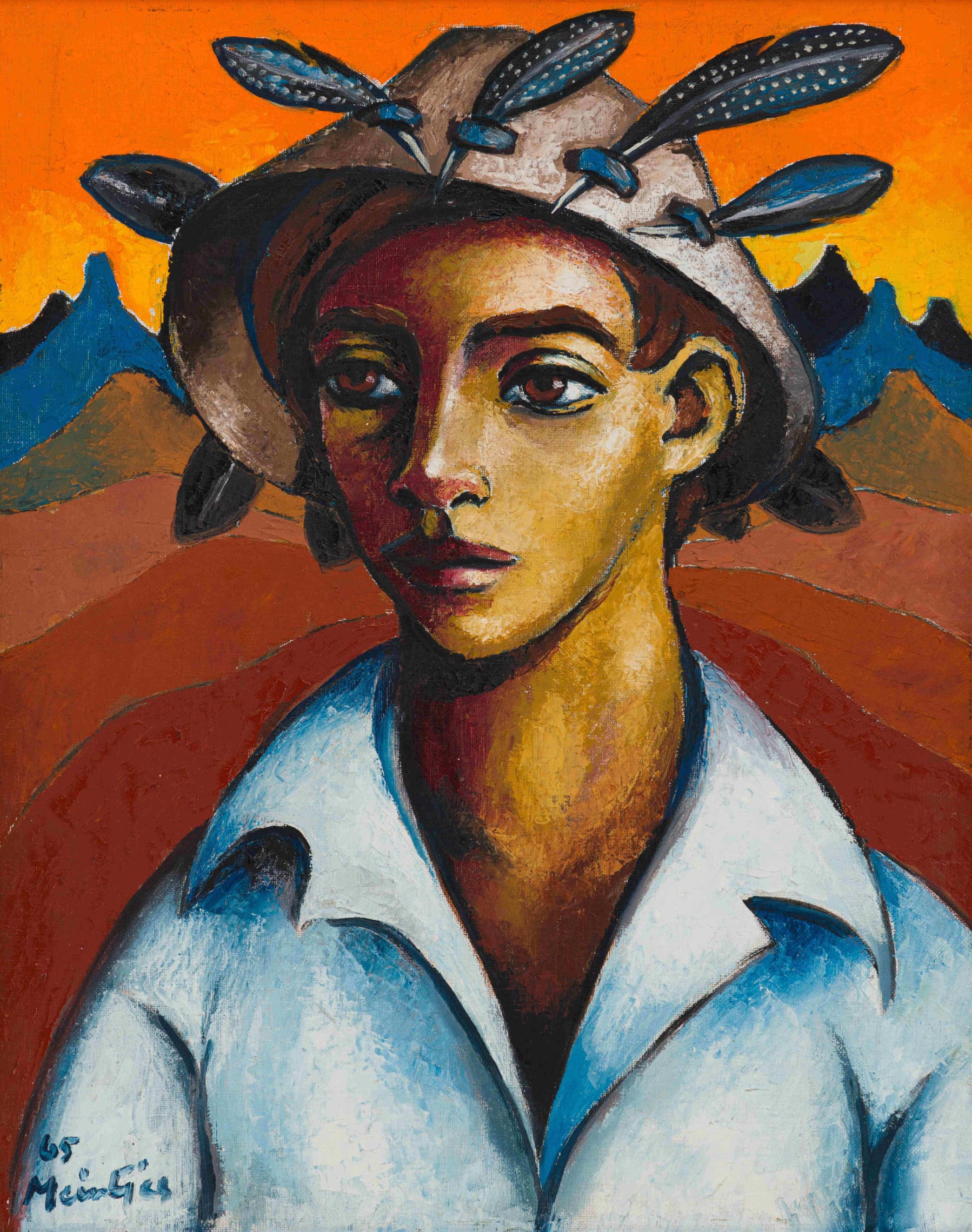
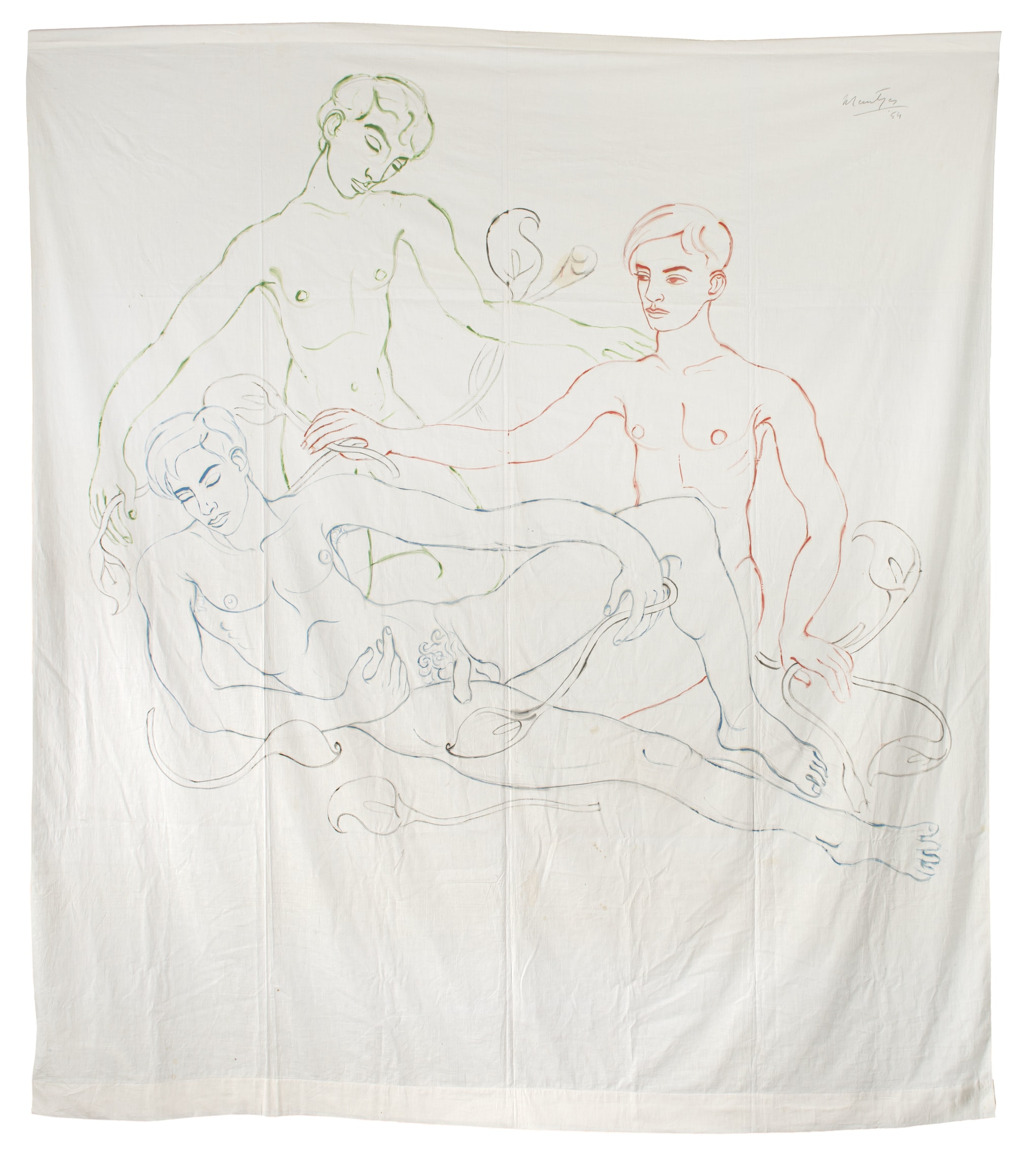
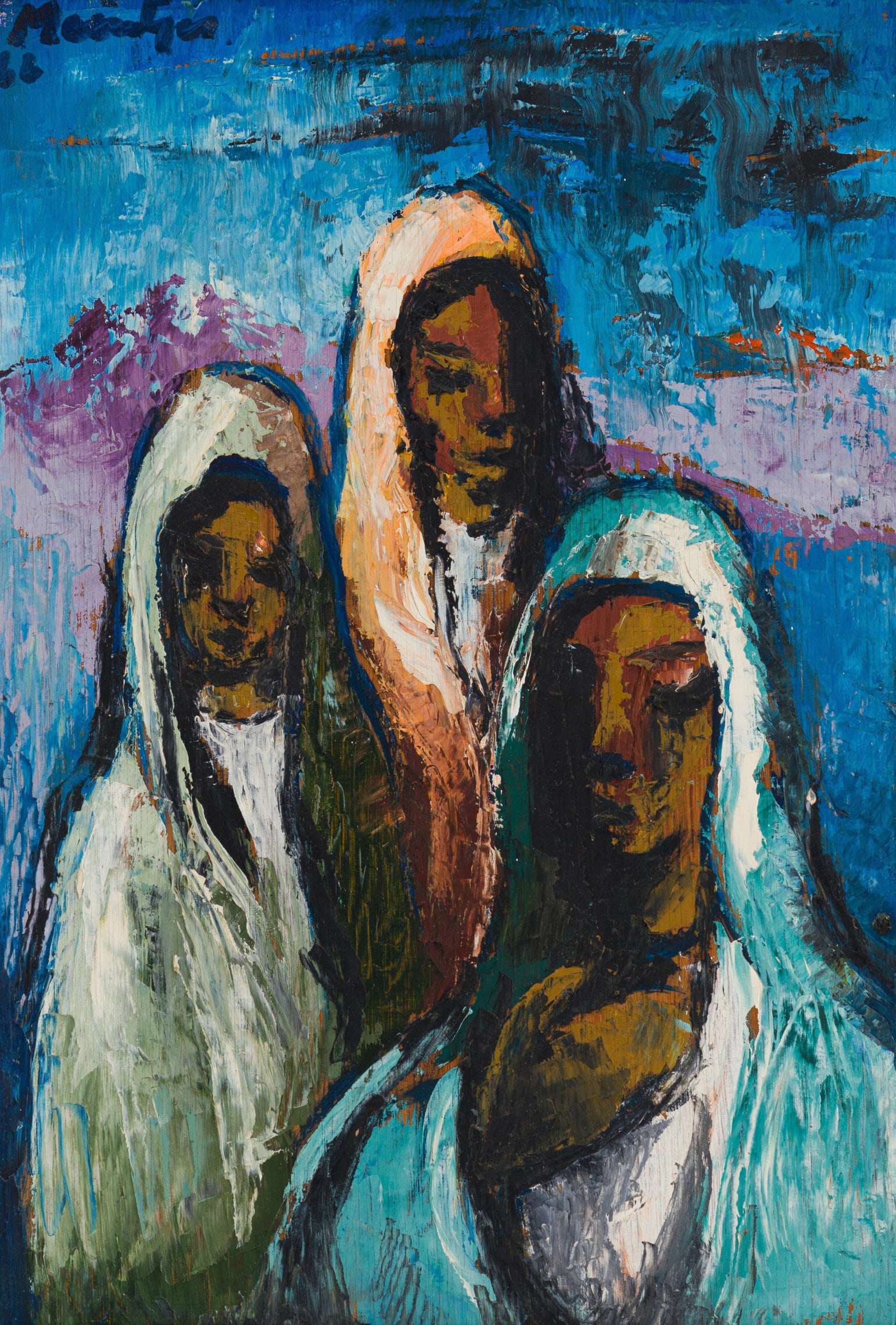
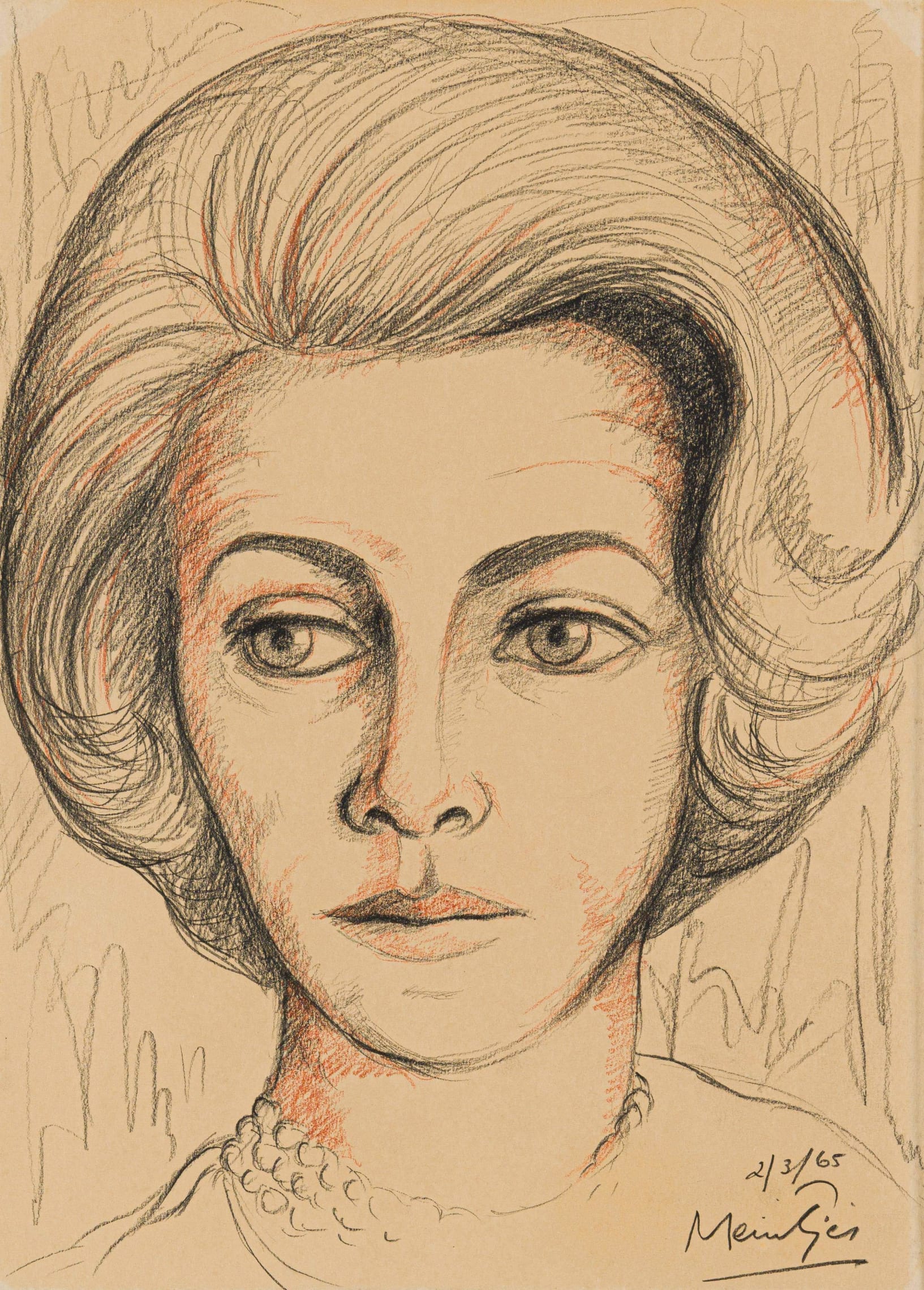
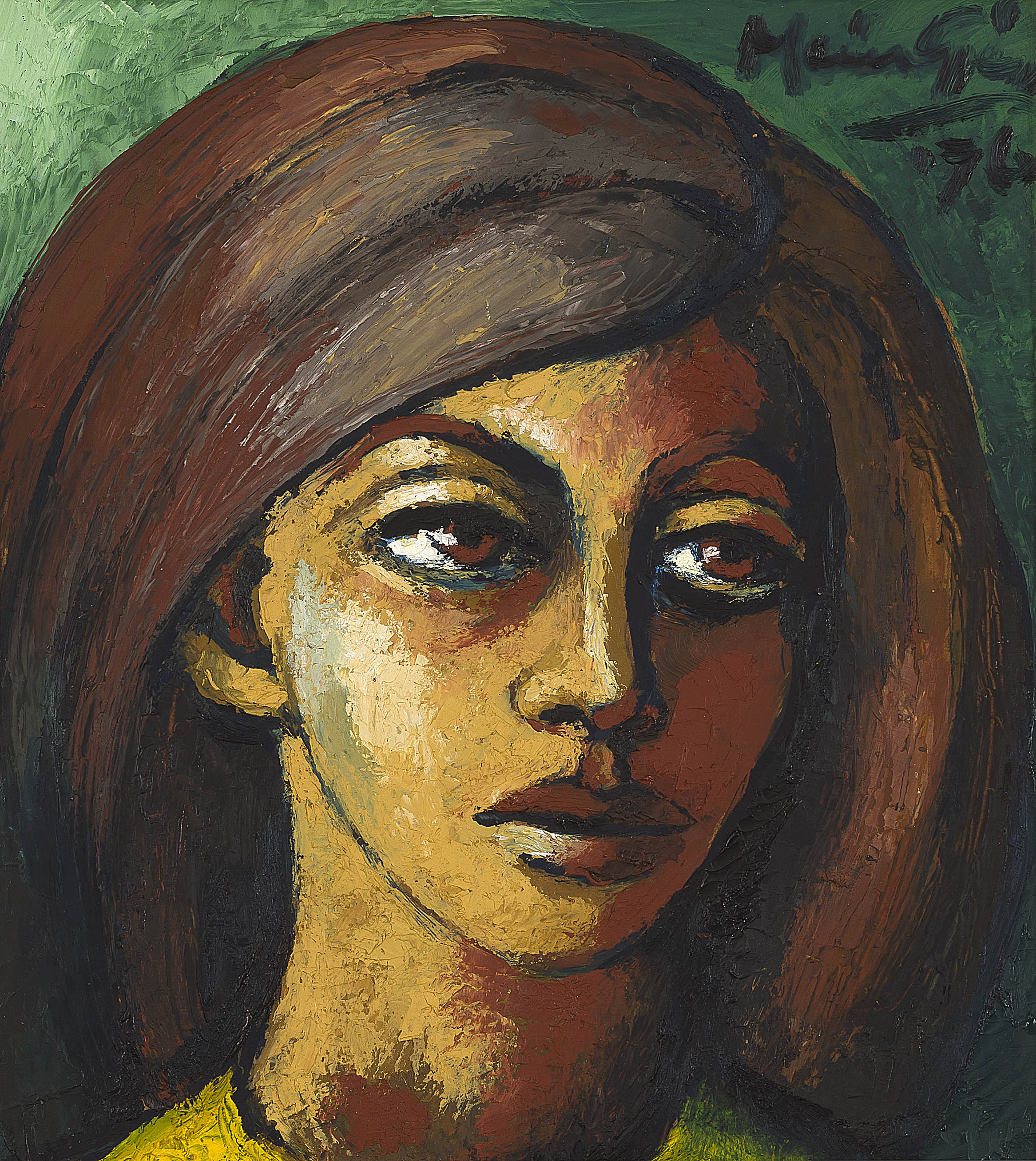
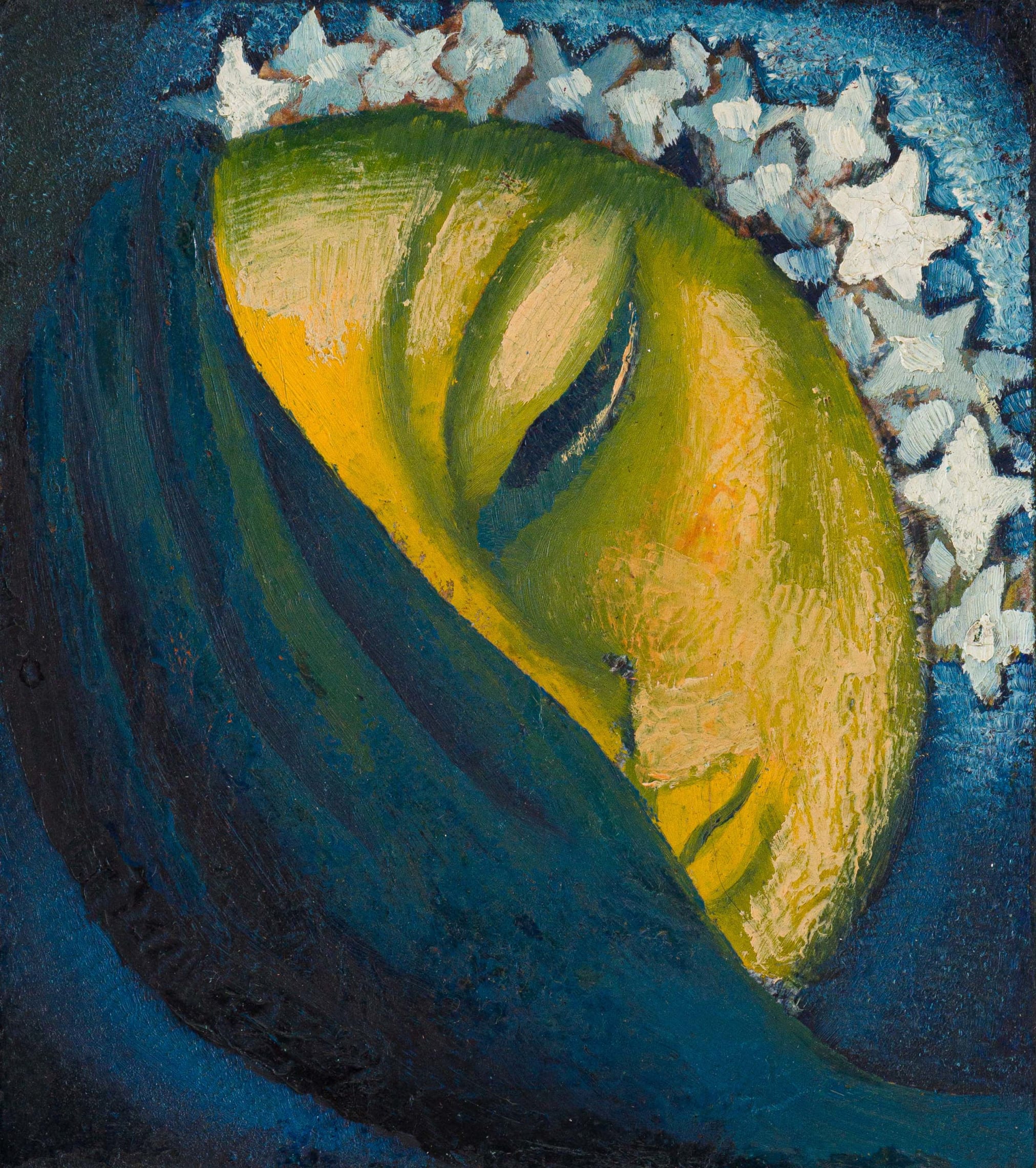
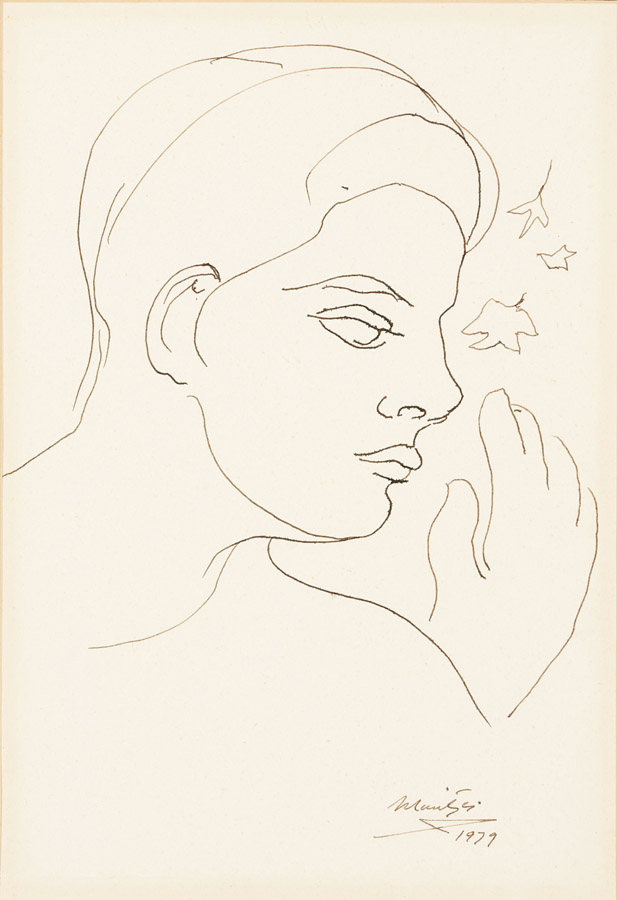
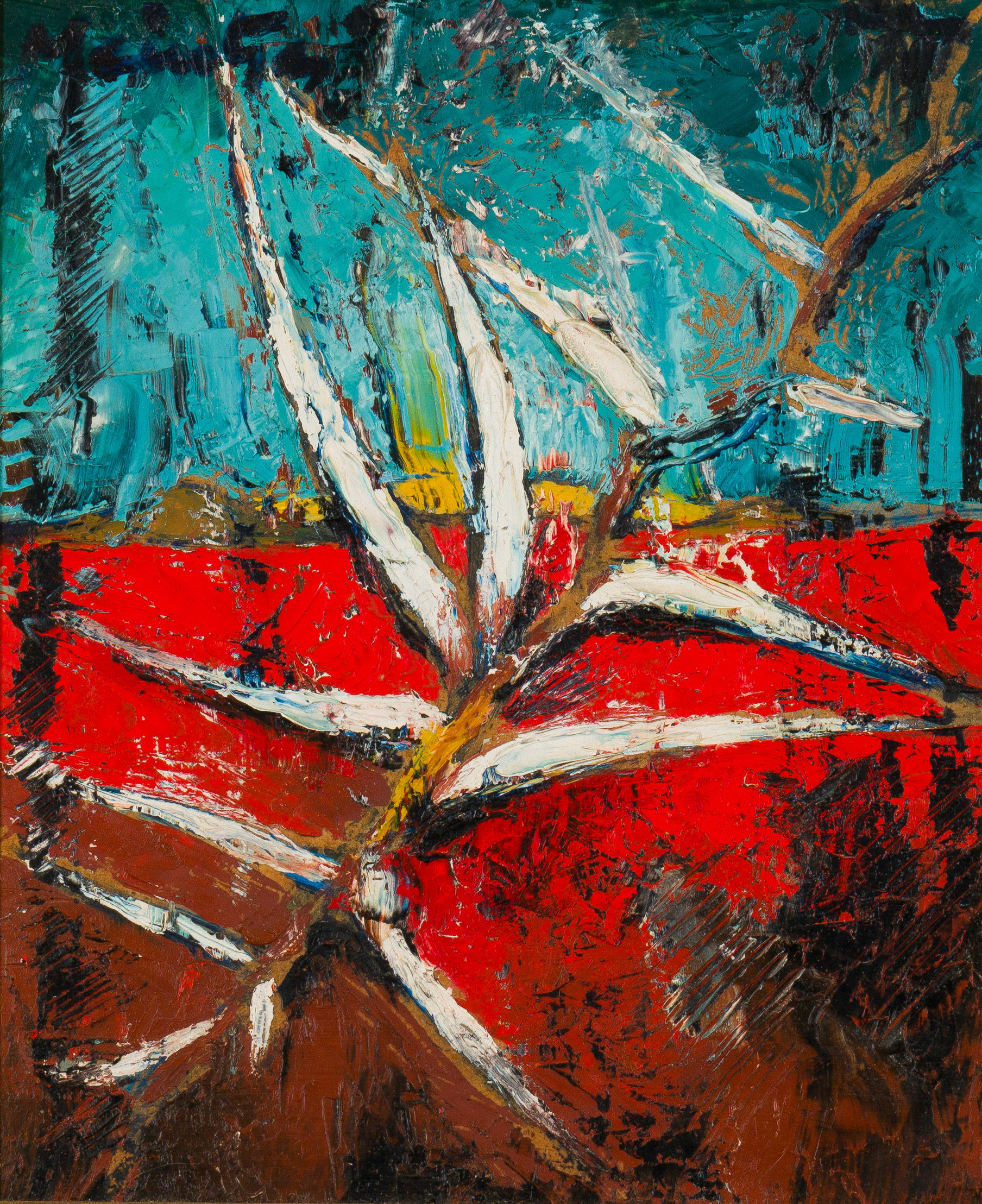
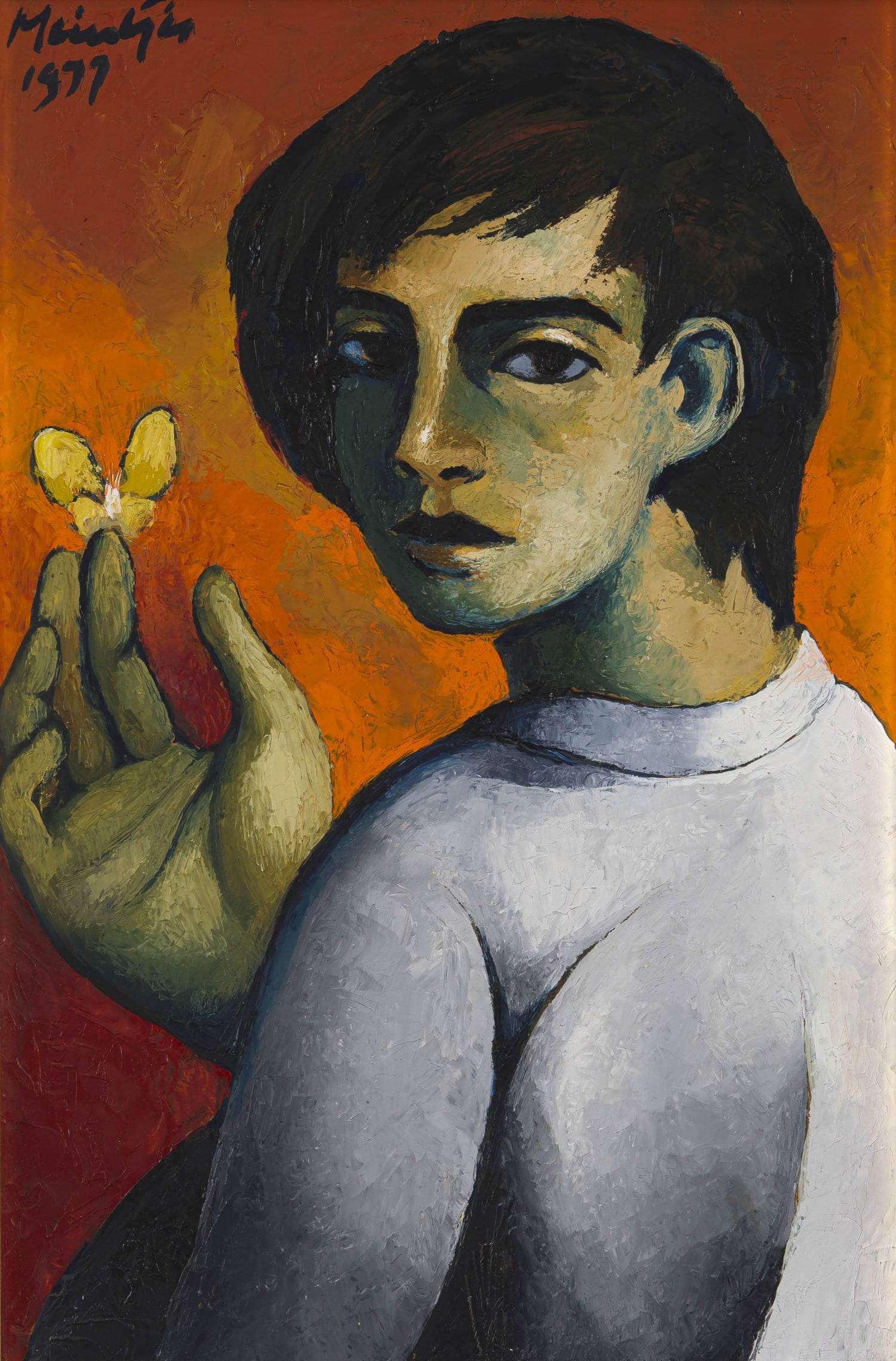
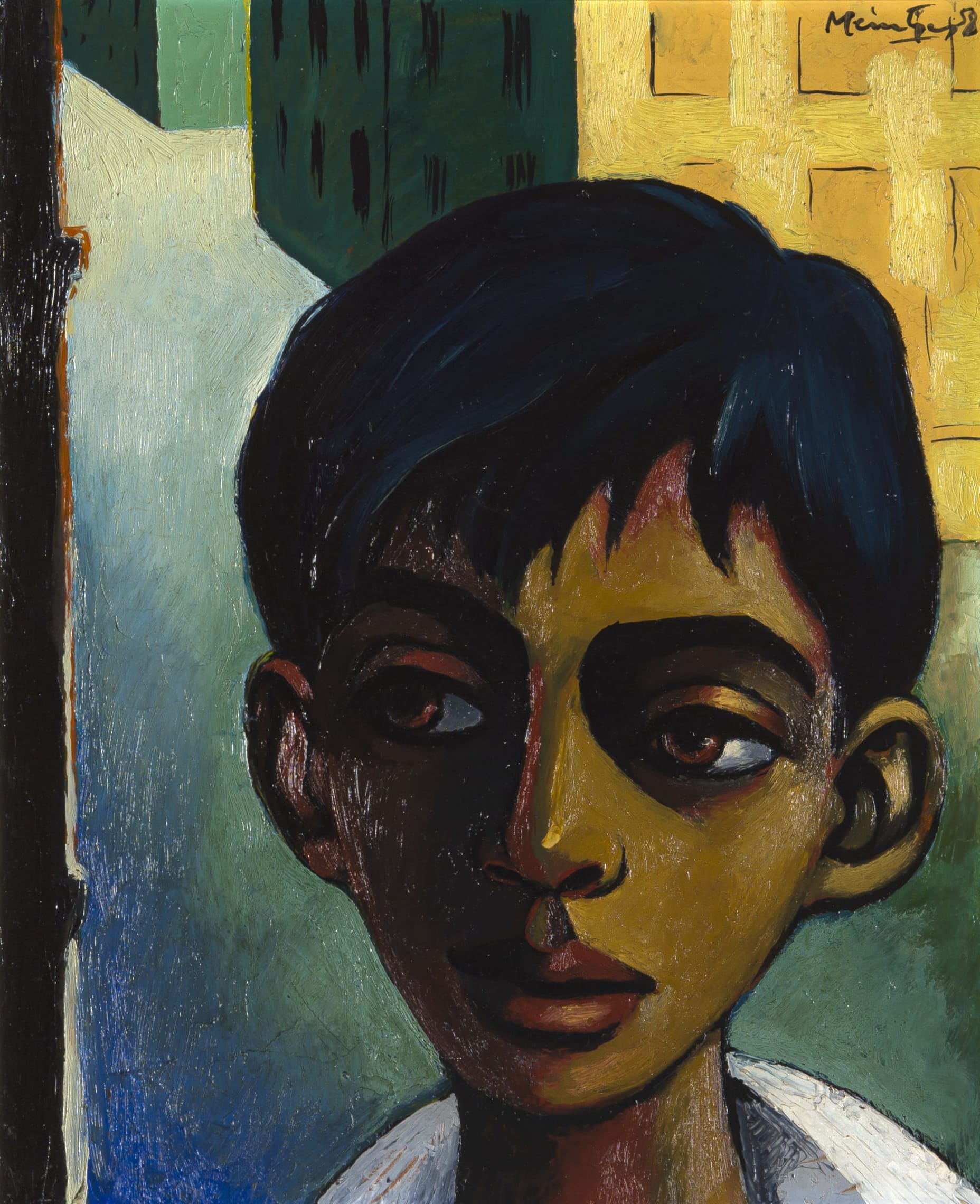
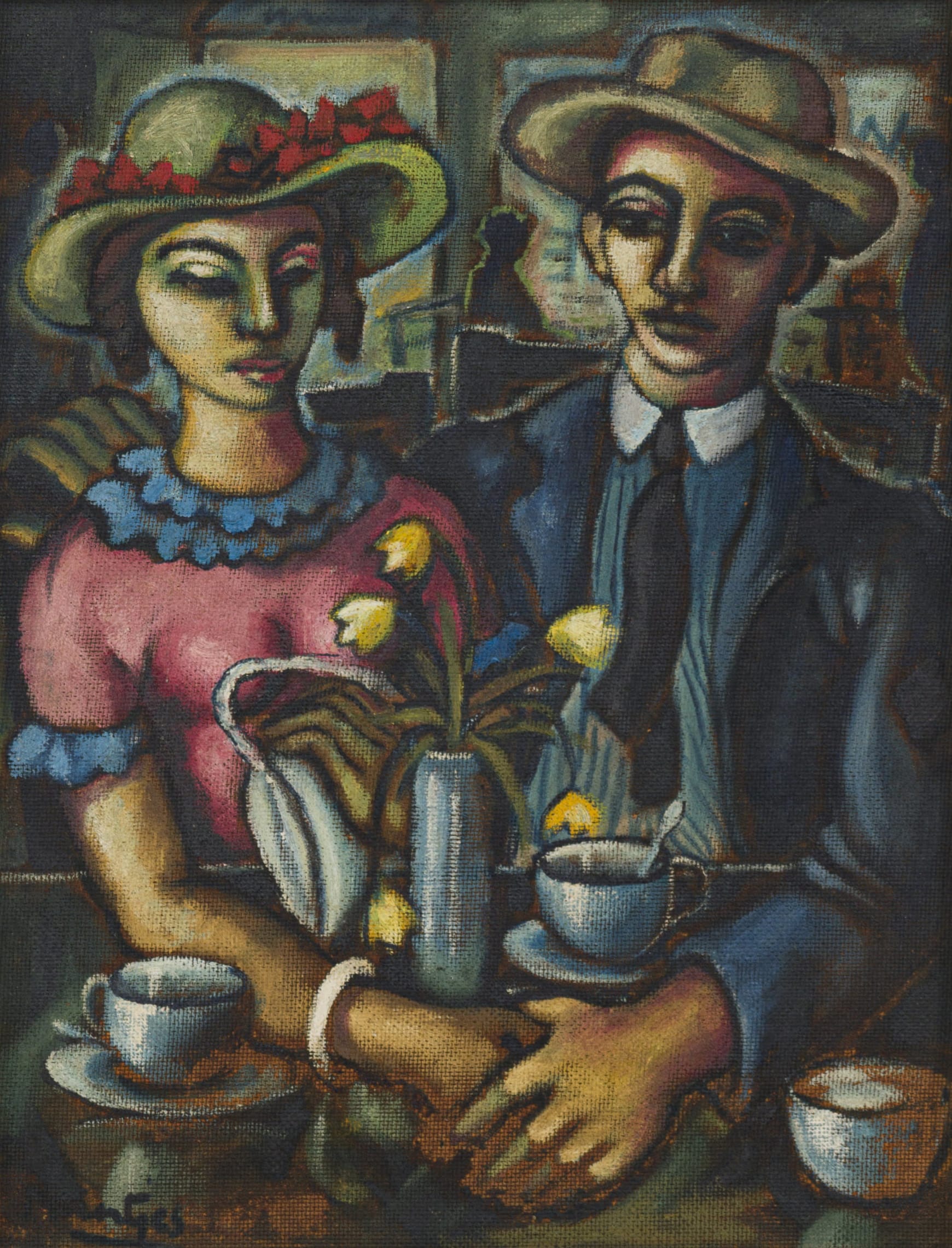
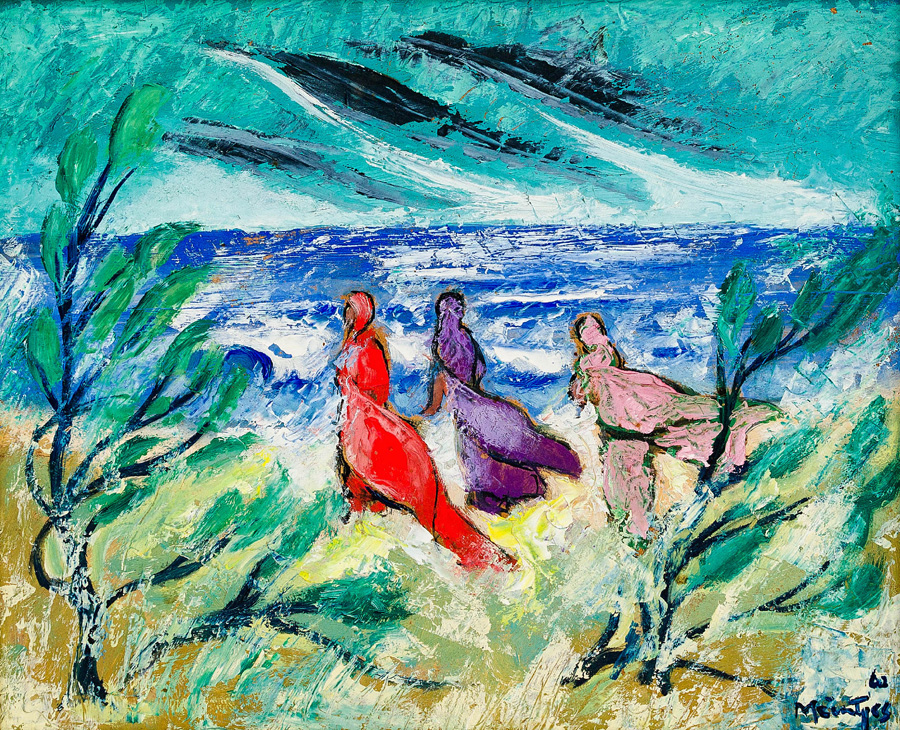
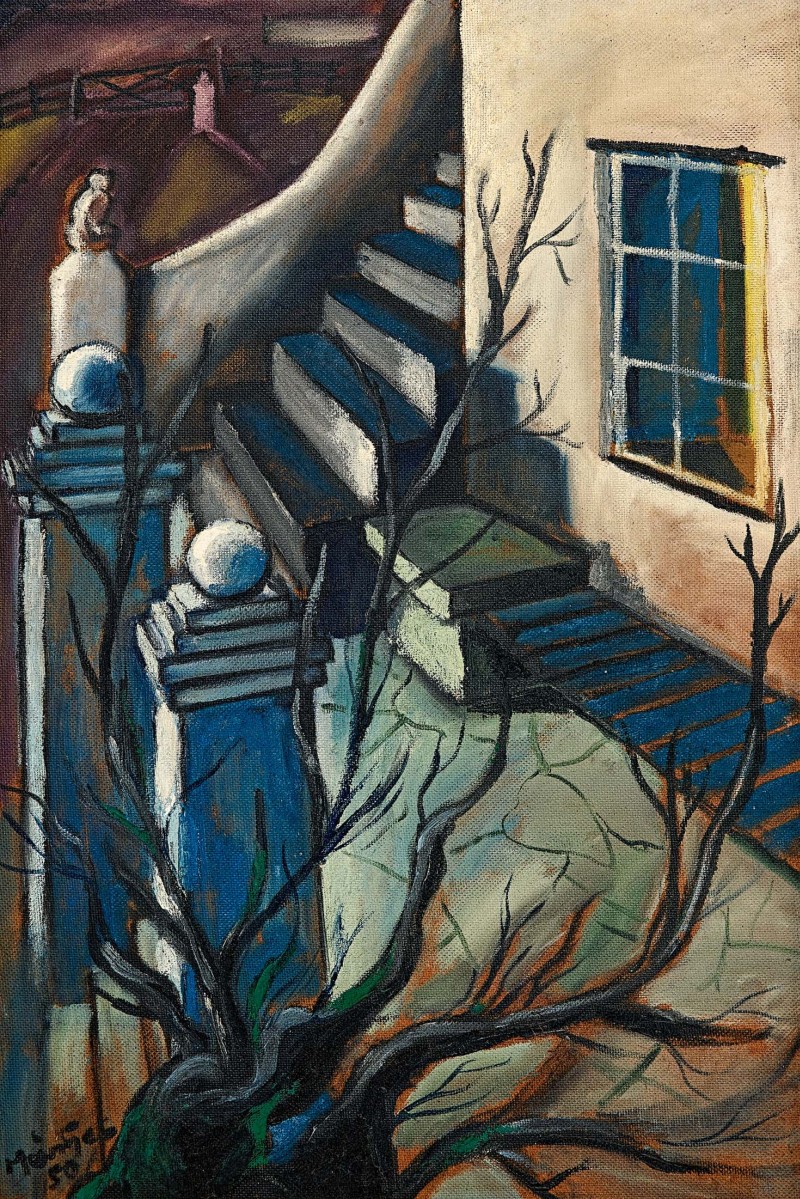
Johannes Petrus Meintjes (South African 1923-1980) Boy In Red And White Signed And Dated 1970 Oil On Board 60,5 By 60,5Cm At The Time Of Johannes MeintjesS Death, He Had Painted More Than 1336 Oil Paintings, Produced Dozens Of Sculptural Pieces, As Well As Hundreds Of Sketches, Temperas, Graphic Works And Watercolours. Many Of His Works Were Done At His FamilyS Farm In Grootzeekoegat. No Visitor To Grootzeekoegat Could Escape The Haunting Atmosphere And Sense Of Mystery That Hung Over The Mountains. This Particular Painting Was Possibly Painted On This Farm, Where He Escaped To, To Find Inspiration. Painted In 1970, It Is Evident The ArtistS Style Had Grown Richer In Texture, Clearer And Firmer In Composition, Broader In The Scope Of Subject Matter. This Work Was Painted With An Emotional Depth, Simplified, Solid Colour Planes And Contours Reminiscent Of Maggie LaubserS Art. Although Johannes Meintjes'S Paintings Do Not Belong To The Avant-Garde Trend In South African Art, His Bridging Role Regarding The Furthering Of Art Appreciation Is Of Significant Value. During The Fourties And Fifties Meintjes Won The Sympathy Of The Art Public Toward 'Modern' Art Principles. His Modernism Was Not Of An Opportunistic Kind And Indeed His Manipulation Of 'Reality' According To The 'Laws' Of Free Expression Made Sense. C.N. Edited From: Johannes Meintjes: Artist, Author And Historian, Johannes Meintjes' Aesthetics Of The Sublime; Marina Hough Johannesburg, 7 June 1990 Http://Www.Johannes-Meintjes.Co.Za/Biography.Html [Accessed: 19 September 2015]