Skip to content
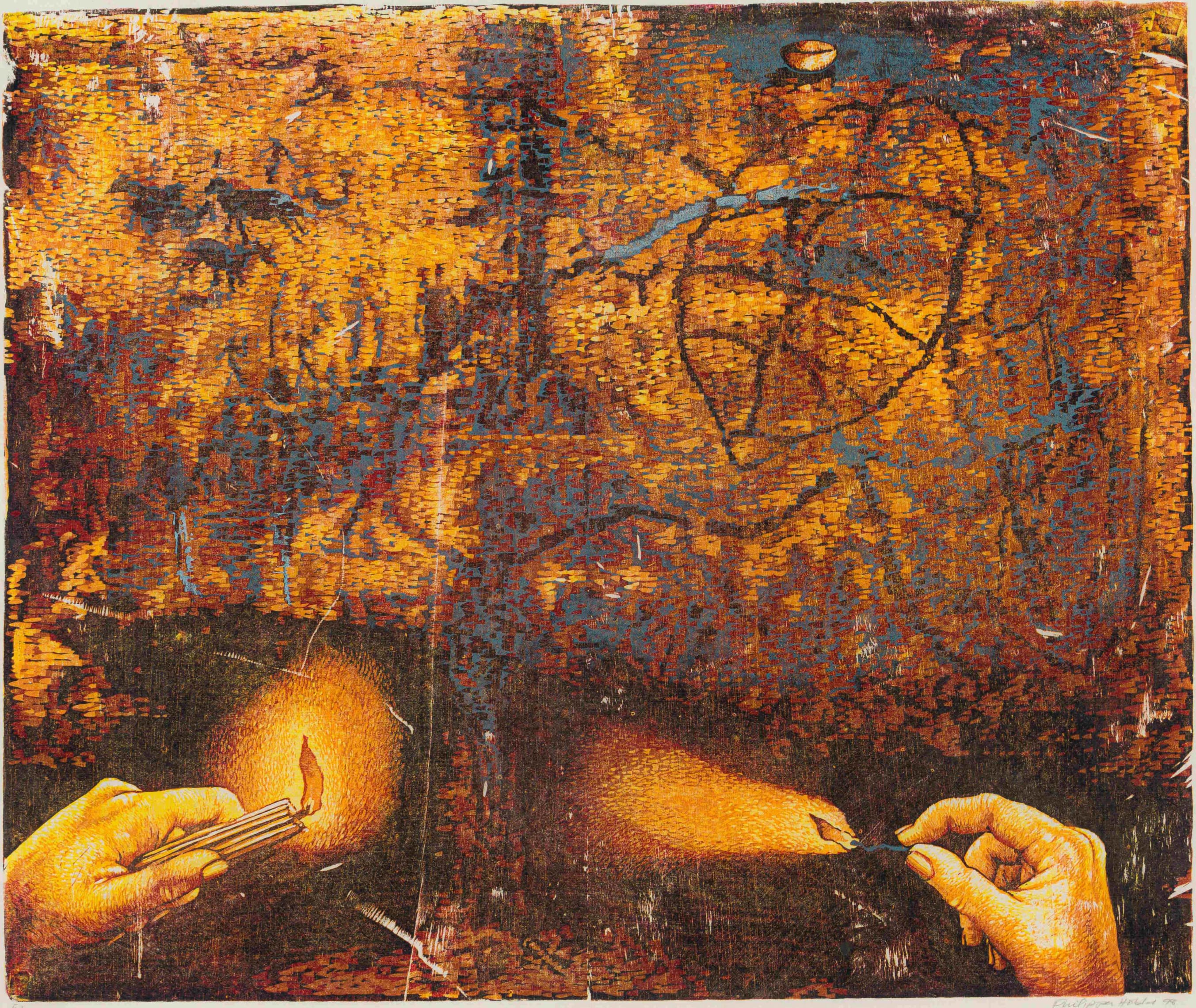
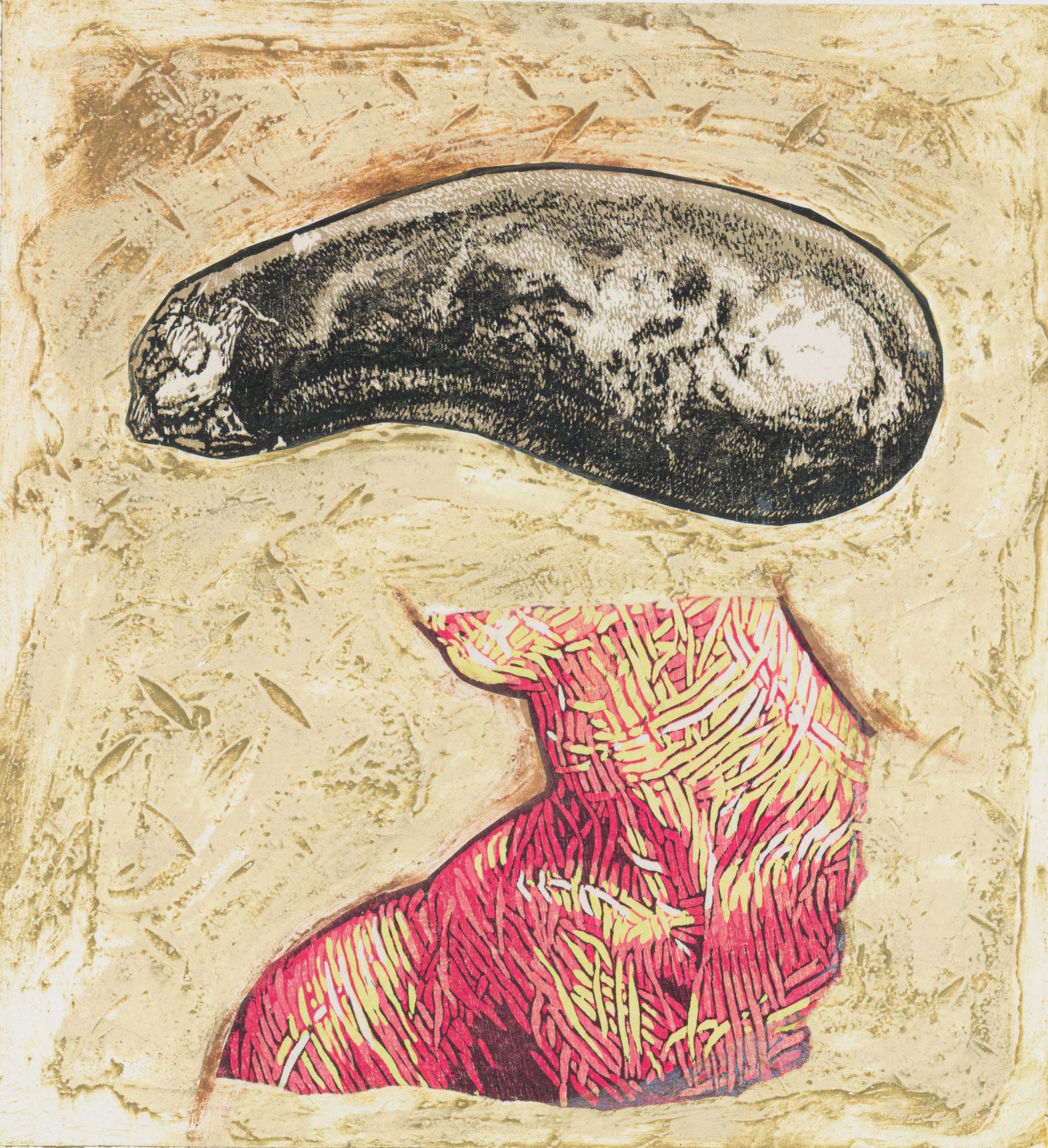
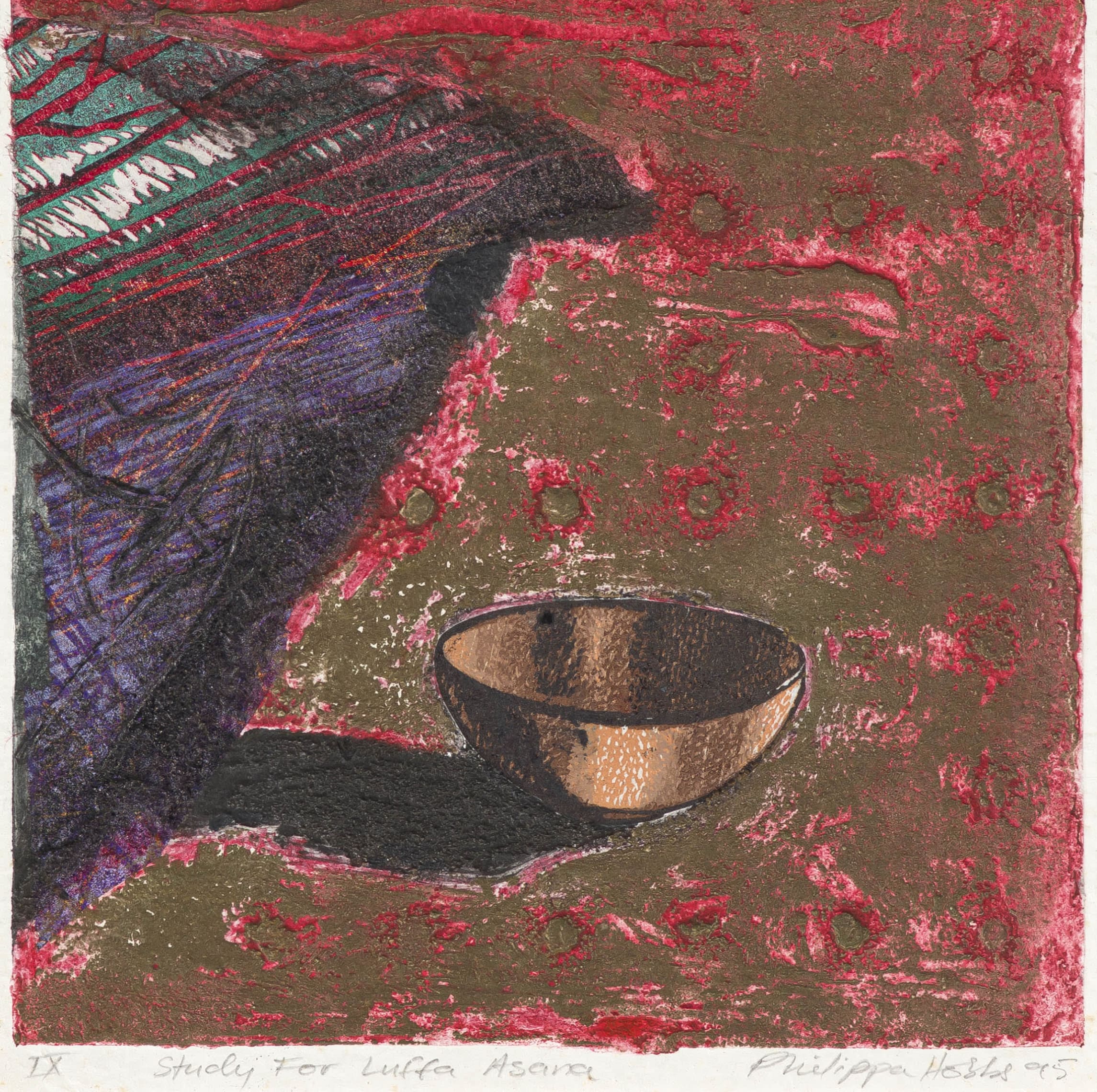
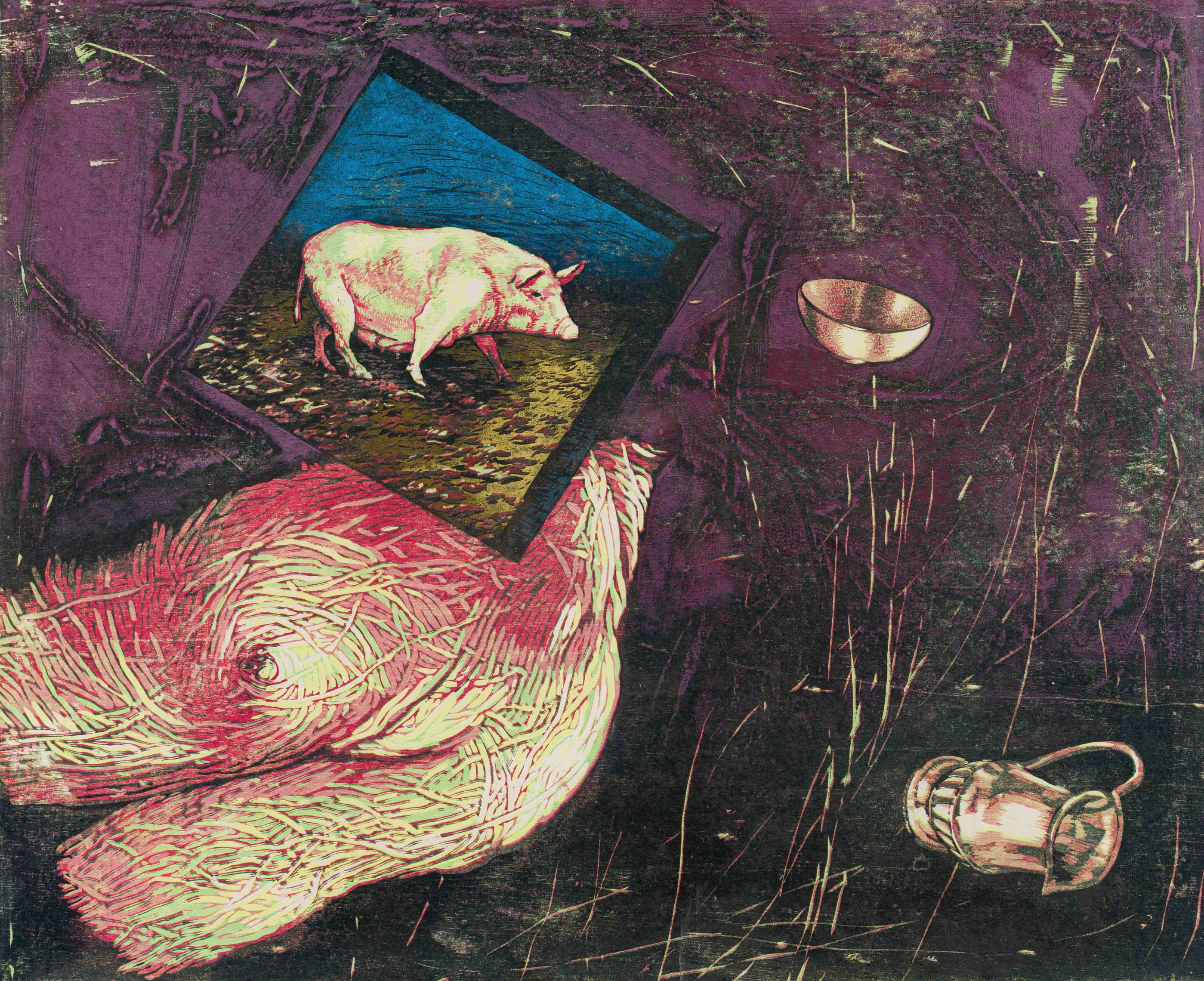
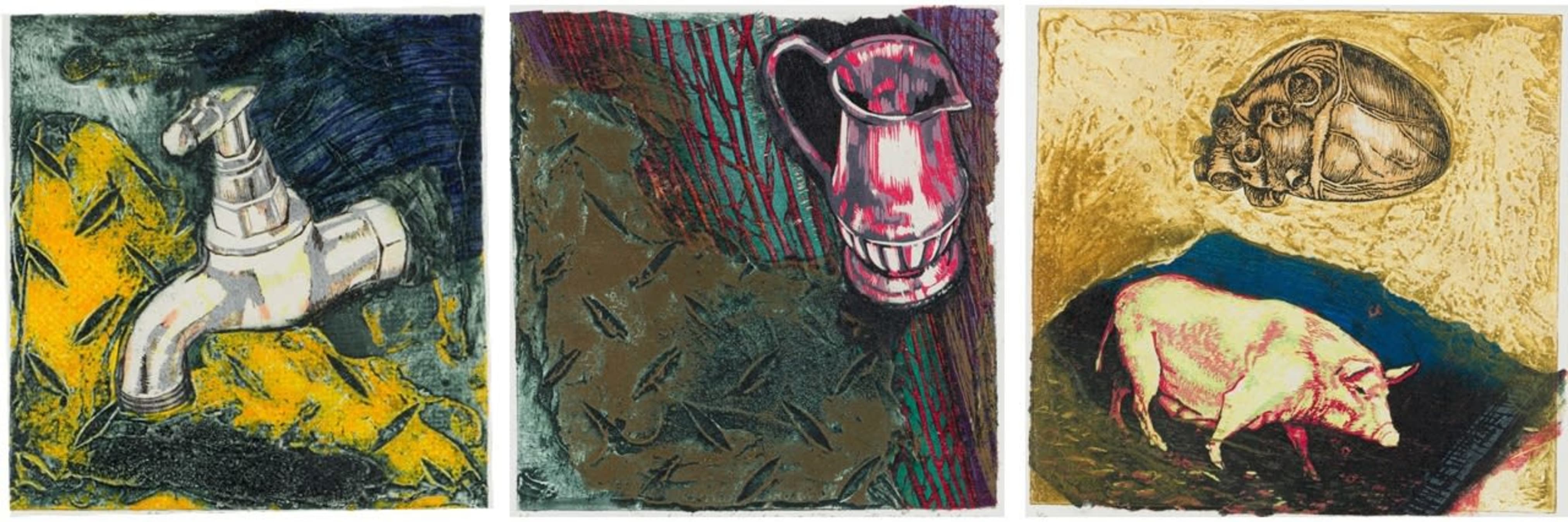
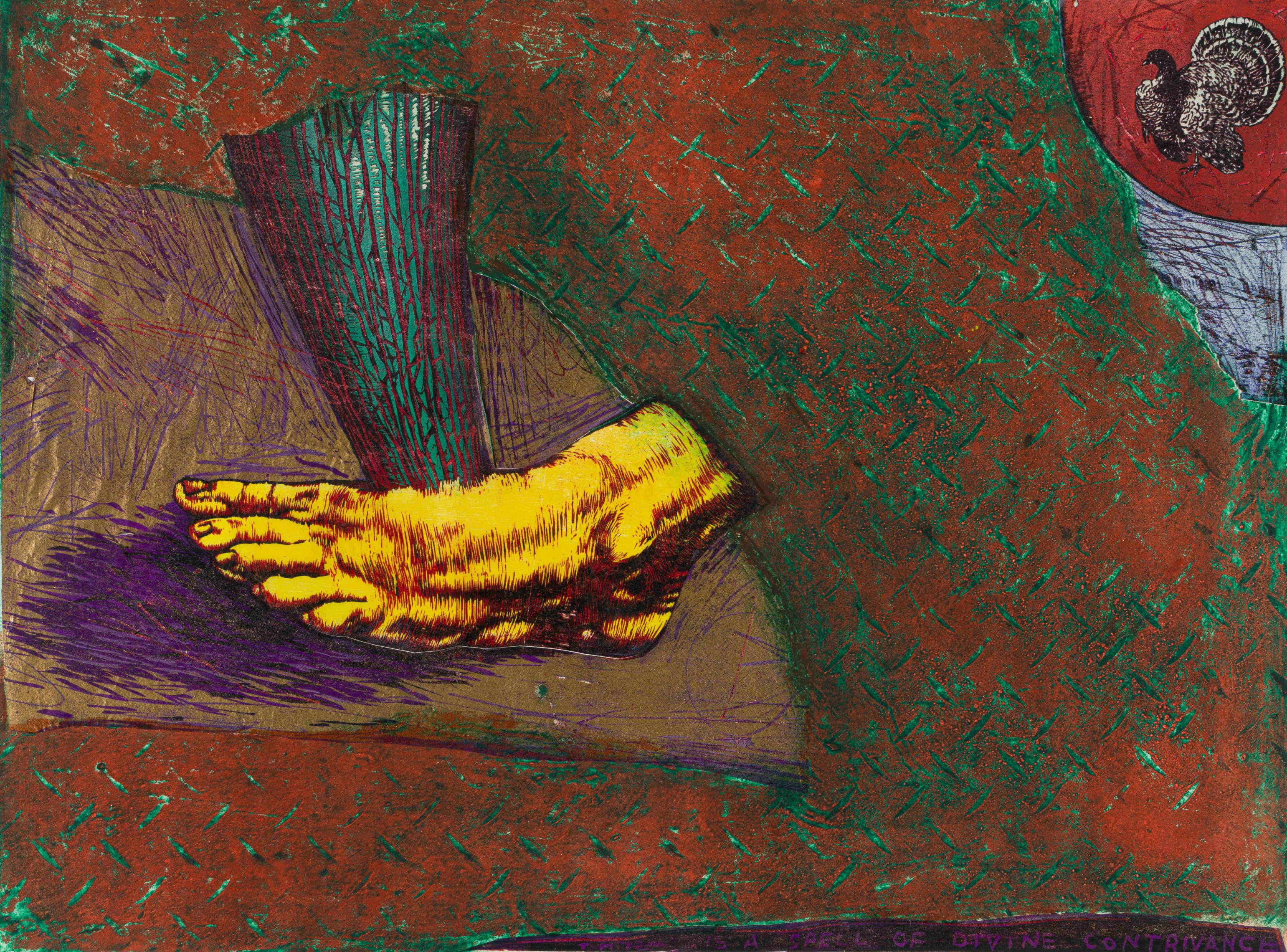
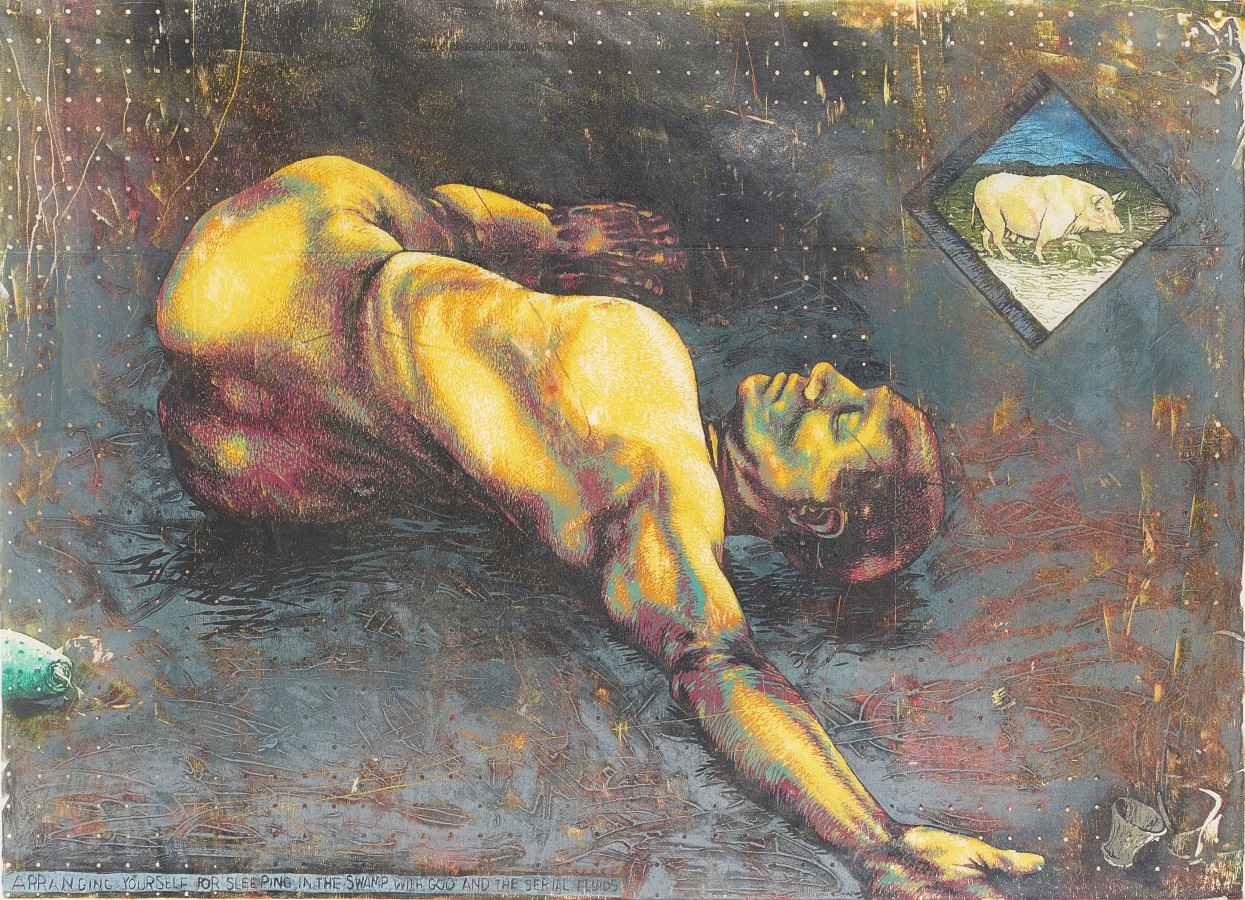
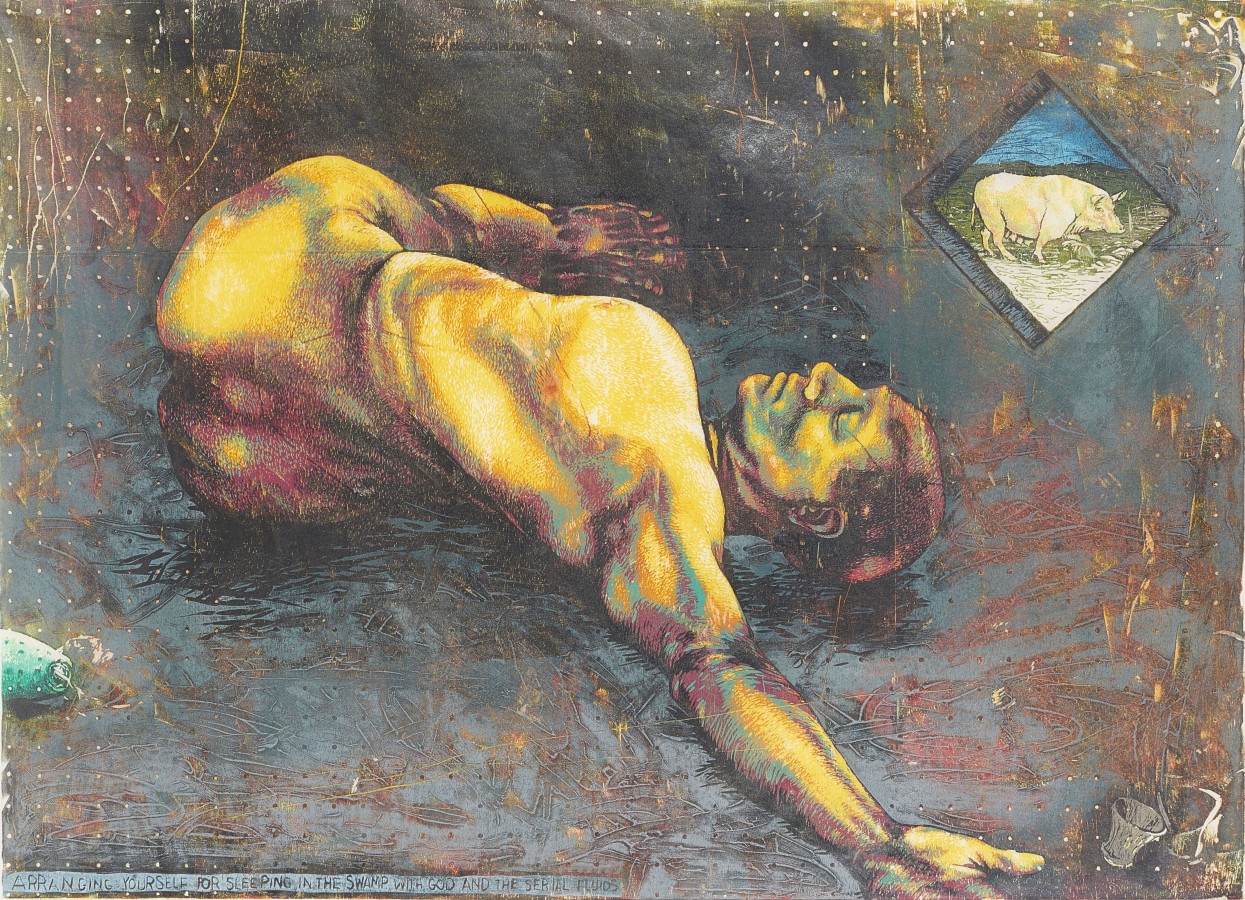
Philippa Anne Hobbs, né en 1955
Peter Clarke (South African 1929-2014) Back Street Signed And Dated 1950 Mixed Media On Paper 27 By 38Cm
Peter Clarke, An Artist Of Humble Origins Began Life In With Very Few Opportunities In Apartheid South Africa. His Intellectual Gifts, Talent And Determination To Follow His Deep Interest In Visual Art Led Him To Overcome Many Obstacles, Which Would Finally Win Him International Recognition. This Same Determination Was Made Vocal At The Opening Of A Major Retrospective At The South African National Gallery In 2011 When He Explained His Principled Fight In Order To Overcome Racial Exclusion. In The End He Was Victorious, And Today The Work Of Peter Clarke Is Highly Sought After And The Subject Of A Seminal Publication, Listening To Distant Thunder, The Art Of Peter Clarke, By Art Historians Philippa Hobbs And Elizabeth Rankin.
In His Mid-Twenties, Peter Clarke Abandoned The Security Of His Job In The Simon’S Town Naval Yard To Follow His Calling As An Artist. He Had An Early Successful Exhibition In District Six, Which Encouraged Him To Focus His Life’S Work Around The Belief That Art Could Play An Active Role In Social Development, Which Resulted In Him Becoming A Leading Figure In The Community Arts Project In Cape Town.
We Are Privileged To Offer A Compelling Selection Of Works Form The Artist Produced In Various Media, Including Works On Paper. Two Important Early Works Deal With His Central Focus, That Of His Community. The Poignant, Back Street, Lot 764, Evokes An Anxious Moment Within The Difficult Conditions Of Social Inequity And Poverty As A Result Of Discriminatory Policies In Early Apartheid South Africa. An Important Work, In Dazzling Tones Of Sea Blue And Red, It Personifies The Artist As A Social Commentator.
Windmills, Lot 766, Is A Beautiful And Correspondingly Joyous Work, Expressing The Artist’S Ability To Find Happiness In Everyday Life, Despite The Socio-Political Turmoil Around Him. Brilliantly Coloured, Three School Boys Are Absorbed In The Whirling Plastic Windmills Popular With Cape Children At Christmas Time, When The South-Easterly Winds Roar.
Similarly, Evening Grazing, Teslaarsdal, Lot 765, Exudes This Same Escapist Quality. Out In The Overberg Countryside, Clarke Felt At Peace And Far Removed From The Turmoil Of The City. It Was Here That He Found Himself Inspired To Paint His Tranquil, Yet Decidedly Modern Pastoral Scenes.
- Hobbs, P. & Rankin, E., Listening To Distant Thunder: The Art Of Peter Clarke, Fernwood Press, Cape Town, 2014
Peter Clarke (South African 1929-2014) Evening Grazing, Teslaarsdal Signed And Dated 11/4/1962 Tempera On Paper
Provenance
From The Private Collection Of The Artist'S Family
37 By 31Cm
Peter Clarke, An Artist Of Humble Origins Began Life In With Very Few Opportunities In Apartheid South Africa. His Intellectual Gifts, Talent And Determination To Follow His Deep Interest In Visual Art Led Him To Overcome Many Obstacles, Which Would Finally Win Him International Recognition. This Same Determination Was Made Vocal At The Opening Of A Major Retrospective At The South African National Gallery In 2011 When He Explained His Principled Fight In Order To Overcome Racial Exclusion. In The End He Was Victorious, And Today The Work Of Peter Clarke Is Highly Sought After And The Subject Of A Seminal Publication, Listening To Distant Thunder, The Art Of Peter Clarke, By Art Historians Philippa Hobbs And Elizabeth Rankin.
In His Mid-Twenties, Peter Clarke Abandoned The Security Of His Job In The Simon’S Town Naval Yard To Follow His Calling As An Artist. He Had An Early Successful Exhibition In District Six, Which Encouraged Him To Focus His Life’S Work Around The Belief That Art Could Play An Active Role In Social Development, Which Resulted In Him Becoming A Leading Figure In The Community Arts Project In Cape Town.
We Are Privileged To Offer A Compelling Selection Of Works Form The Artist Produced In Various Media, Including Works On Paper. Two Important Early Works Deal With His Central Focus, That Of His Community. The Poignant, Back Street, Lot 764, Evokes An Anxious Moment Within The Difficult Conditions Of Social Inequity And Poverty As A Result Of Discriminatory Policies In Early Apartheid South Africa. An Important Work, In Dazzling Tones Of Sea Blue And Red, It Personifies The Artist As A Social Commentator.
Windmills, Lot 766, Is A Beautiful And Correspondingly Joyous Work, Expressing The Artist’S Ability To Find Happiness In Everyday Life, Despite The Socio-Political Turmoil Around Him. Brilliantly Coloured, Three School Boys Are Absorbed In The Whirling Plastic Windmills Popular With Cape Children At Christmas Time, When The South-Easterly Winds Roar.
Similarly, Evening Grazing, Teslaarsdal, Lot 765, Exudes This Same Escapist Quality. Out In The Overberg Countryside, Clarke Felt At Peace And Far Removed From The Turmoil Of The City. It Was Here That He Found Himself Inspired To Paint His Tranquil, Yet Decidedly Modern Pastoral Scenes.
- Hobbs, P. & Rankin, E., Listening To Distant Thunder: The Art Of Peter Clarke, Fernwood Press, Cape Town, 2014
Peter Clarke (South African 1929-2014) Windmills Signed And Dated 2/8/1973, Inscribed With The Title On The Reverse Acrylic On Board
Provenance
Gifted By The Artist To Current Owner.
47 By 60Cm
Peter Clarke, An Artist Of Humble Origins Began Life In With Very Few Opportunities In Apartheid South Africa. His Intellectual Gifts, Talent And Determination To Follow His Deep Interest In Visual Art Led Him To Overcome Many Obstacles, Which Would Finally Win Him International Recognition. This Same Determination Was Made Vocal At The Opening Of A Major Retrospective At The South African National Gallery In 2011 When He Explained His Principled Fight In Order To Overcome Racial Exclusion. In The End He Was Victorious, And Today The Work Of Peter Clarke Is Highly Sought After And The Subject Of A Seminal Publication, Listening To Distant Thunder, The Art Of Peter Clarke, By Art Historians Philippa Hobbs And Elizabeth Rankin.
In His Mid-Twenties, Peter Clarke Abandoned The Security Of His Job In The Simon’S Town Naval Yard To Follow His Calling As An Artist. He Had An Early Successful Exhibition In District Six, Which Encouraged Him To Focus His Life’S Work Around The Belief That Art Could Play An Active Role In Social Development, Which Resulted In Him Becoming A Leading Figure In The Community Arts Project In Cape Town.
We Are Privileged To Offer A Compelling Selection Of Works Form The Artist Produced In Various Media, Including Works On Paper. Two Important Early Works Deal With His Central Focus, That Of His Community. The Poignant, Back Street, Lot 764, Evokes An Anxious Moment Within The Difficult Conditions Of Social Inequity And Poverty As A Result Of Discriminatory Policies In Early Apartheid South Africa. An Important Work, In Dazzling Tones Of Sea Blue And Red, It Personifies The Artist As A Social Commentator.
Windmills, Lot 766, Is A Beautiful And Correspondingly Joyous Work, Expressing The Artist’S Ability To Find Happiness In Everyday Life, Despite The Socio-Political Turmoil Around Him. Brilliantly Coloured, Three School Boys Are Absorbed In The Whirling Plastic Windmills Popular With Cape Children At Christmas Time, When The South-Easterly Winds Roar.
Similarly, Evening Grazing, Teslaarsdal, Lot 765, Exudes This Same Escapist Quality. Out In The Overberg Countryside, Clarke Felt At Peace And Far Removed From The Turmoil Of The City. It Was Here That He Found Himself Inspired To Paint His Tranquil, Yet Decidedly Modern Pastoral Scenes.
- Hobbs, P. & Rankin, E., Listening To Distant Thunder: The Art Of Peter Clarke, Fernwood Press, Cape Town, 2014
Peter Clarke (South African 1929-2014) Netball Players Signed And Dated 23.3.1967; Inscribed With The Title And Medium On The Reverse Oil On Canvas Board
Provenance
The Private Collection Of Eleanor Clarke, Simon'S Town
23,5 By 21Cm
To Peter Clarke His Community Was His Life, His Passion And His Focus. Reoccurring Themes Throughout His Printmaking, Drawing And Painting Were Of People Going About Their Daily Activity In The Surrounds Of Their Everyday Life. From The Early Days Of His Childhood In Simon’S Town And Then Later After Settling In Ocean View After The Forced Removals, Clarke Spent His Time Observing The World Around Him Which Resulted In Depicting These Common Societal Scenes And Characters In His Works – Portraying ‘The Vitality Of Community Life’ ¹. Netball Players Depicts Three Young School Girls Reaching Up To Catch A Gold Coloured Ball With A Female Figure In The Distance Looking On. Philippa Hobbs Sums Up The Aspect Of Peter Clarke Which Resonates With Her More Than Anything Else, To Be ‘The Poignancy With Which He Deals With The Human Subject, His Concern About Humanity And His Deep Interest In Finding Beauty In The Ordinary’ ²
1. Hobbs, P. & Rankin, E., Listening To Distant Thunder: The Art Of Peter Clarke, The Standard Bank Of South Africa, Johannesburg, 2011
2. Https://Blog.Standardbank.Com/Arts/2011/07/Philippa-Hobbs-Curator-Peter-Clarke-Exhibition